


Top-rated radon detection and reduction specialists.

Get matched with top radon detection and reduction specialists in Lexington, MI

Enter your zip and get matched with up to 5 pros

Need a pro for your radon detection and reduction project in Lexington, MI?

Select your specific project to find the pro for you.

Find Radon detection and reduction specialists in Lexington

Avatar for Epic Radon Solutions
Epic Radon Solutions
4.9(
140
)
Radon Gas - Abatement

Serving Lexington, MI and surrounding areas

Approved

In business since 2021

Free estimates

Small jobs welcome

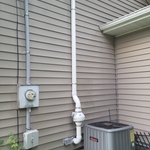
"We had a special situation, and Epic was the only company willing to come out to help us evaluate the best location for installation. Installer was great - he recognized asbestos tile on the basement floor, and recommended appropriate remediation service. System is basically invisible - no ugly pipe up the outside of the house! Follow-up test shows radon level reduced to well under recommended minimum."
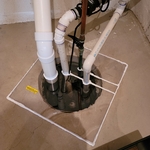
Standard Radon Mitigation
Response time12 hrs
Response rate89%
57 neighbors recently requested a quote

Radon Detection and Reduction questions, answered by experts

The cost to replace a radon fan ranges from $300 to $600 for the fan itself, with installation adding an additional $200 to $500. Overall, the total cost for replacement can range from $500 to $1,100, depending on factors such as the fan model, home size, and local labor rates. If the fan is part of a larger radon mitigation system, the price may be higher.

If high radon levels are detected, steps include sealing entry points, installing a mitigation system, and retesting the air regularly to ensure reduced levels.

Your radon fan needs to operate 24/7 to be effective. The only time the fan isn't operating is during its replacement. Radon levels in the home can increase within hours if the fan stops working or something obstructs the stack vent. Fortunately, radon systems require no downtime maintenance between fan changes.

The lifespan of a radon mitigation system depends on the type of system and its maintenance. With proper care, a system can last for many decades. Passive systems tend to last longer as they have fewer components that require replacement. Active systems, which have more moving parts like fans, generally have a shorter lifespan. For instance, water filtration devices and active pressurization systems require more frequent maintenance. While the system as a whole is durable, the radon fan in an active system typically has a lifespan of 5 to 10 years and will need to be replaced. As long as the fan is working, the mitigation system should function correctly.

Radon detection is crucial as prolonged exposure to radon gas, a leading cause of lung cancer, poses significant health risks in residential environments.

The Lexington, MI homeowners’ guide to radon detection and reduction services

From average costs to expert advice, get all the answers you need to get your job done.