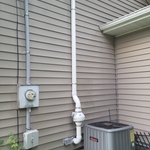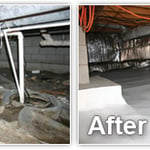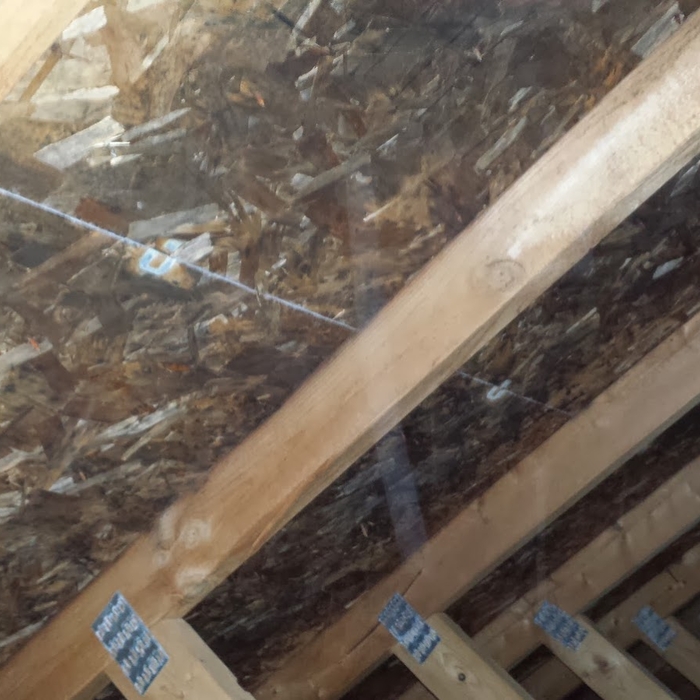






"We had a special situation, and Epic was the only company willing to come out to help us evaluate the best location for installation. Installer was great - he recognized asbestos tile on the basement floor, and recommended appropriate remediation service. System is basically invisible - no ugly pipe up the outside of the house! Follow-up test shows radon level reduced to well under recommended minimum."
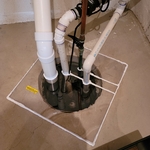
"The inspection was incredibly thorough with an excellent report provided. We learned a lot about the house and Matt was incredibly knowledgeable. We are buying this house built in 1893 with the confidence to know all positives and any problems we may run into. Septic system was inspected extremely well. We were also provided a visual look at Seawall and dock including a test of the boat hoist."
"I hired Double Check to do an inspection for a personal decision of "Repair or Replace". Justin came out, performed the inspection, took photographs and answered all my questions. He found some issues like a few shingles missing, popped nailheads and the like. We discussed the Repair or Replace decision. Very knowledgeable and easy to deal with. Highly recommended."
"Tom was responsive to our needs in our home. He was able to find the problem and provide a solution . He provided reports on actions taken and his costs were reasonable. Very personable and always open to discussion and suggestions."
Radon Detection and Reduction questions, answered by experts
The fan that pulls the radon out of the air needs to run continuously, so you may see an increase in your electric bill once you install the mitigation system. Additionally, you may see an increase in your heating or cooling bills, as the fan can cause some loss of hot or cool air.
The soil beneath your house is most likely what’s causing an increased level of radon. This is because soil holds radioactivity for a long time and it’s also what most buildings are built on. Another common source of radon is water from a source that hasn’t been through periodic radon tests, such as well water. Over time, the radon from the soil can inhabit other parts of your house like the foundation or plumbing.
Radon enters your home when warm air begins to rise and exits through the roof, creating a vacuum that pulls cooler air from under the foundation. Part of that air is radon, which is an invisible, odorless gas that develops naturally when radioactive particles are deep within the ground. Those particles usually come from decaying matter in soil and rocks.
Many radon fans carry a five-year manufacturer's warranty. That said, your radon fan should last between five and ten years. Regular inspections will ensure the fan is operating properly. Unusual or exceptional noise coming from the fan or indications on your manometer or system monitor can immediately tell you that something is amiss.
Abatement includes sealing entry points and venting with systems that reduce radon levels below recommended EPA limits. It is handled by certified professionals.
The Fort Gratiot, MI homeowners’ guide to radon detection and reduction services
From average costs to expert advice, get all the answers you need to get your job done.
Get clear answers on how much radon remediation costs, including average prices, key cost factors, and tips to save money on your home’s radon mitigation.
Find out what impacts radon testing costs, including average prices for DIY kits and professional services, so you can protect your home and budget confidently.
Radon is a gas that you can't see or smell and is harmful to your health. If your home has radon, you need to know who installs radon mitigation systems.