






Top-rated deck maintenance specialists.

Get matched with top deck maintenance specialists in Cadillac, MI

Enter your zip and get matched with up to 5 pros

Need a pro for your deck maintenance project in Cadillac, MI?

Select your specific project to find the pro for you.

Find Deck maintenance specialists in Cadillac

Avatar for Pro Wash Property Cleaning Services
Pro Wash Property Cleaning Services
4.8(
47
)

Serving Cadillac, MI and surrounding areas

Approved

In business since 2006

Free estimates

Credit card accepted

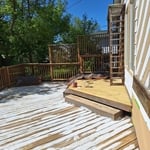
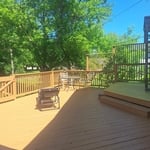
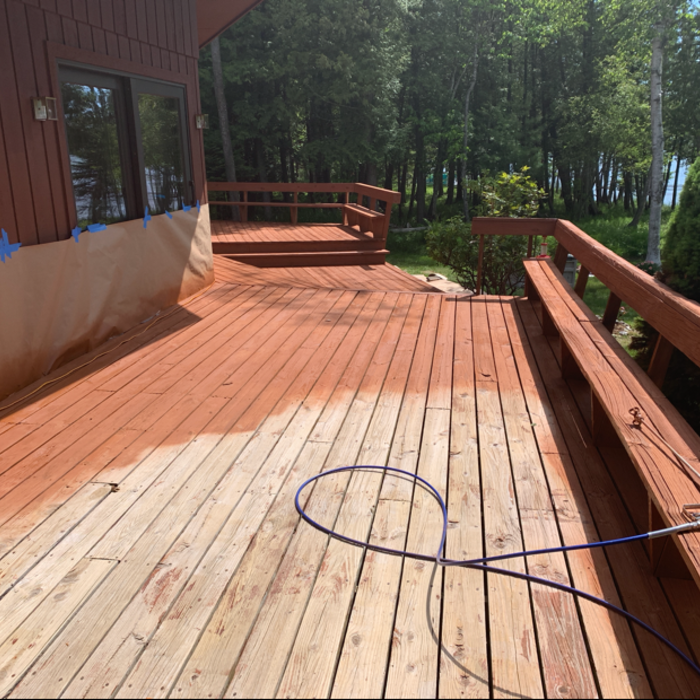
"Did an excellent job of power washing, lightly sanding and then painting large deck with six gallons of stain. My deck looks almost new. Price was fair and service was professional."
Response time9 hrs
Response rate88%
36 neighbors recently requested a quote
Avatar for Tim's Commercial Building Maintenance
Tim's Commercial Building Maintenance
4.9(
11
)

Serving Cadillac, MI and surrounding areas

In business since 2018

Small jobs welcome

Credit card accepted

"Tim & Forest power washed the exterior of our home. They were on time & meticulous. In addition, they were courteous, took time to discuss the cleaning solution & carefully navigated flower beds along the house. We were impressed how clean the exterior & porch areas looked. In fact, the home looks as if it was repainted."
Response time2 days
Response rate90%
Recommended by100%of homeowners
Showing 1-10 of 35
Deck Maintenance questions, answered by experts

It is definitely worth sanding a deck to ensure the wood absorbs new stain. Sanding a deck removes the outer layers of aging wood, allowing the stain to penetrate. It also gives a fresh look to the entire surface as part of the deck refinishing process. Without sanding, your stain or sealant is less likely to absorb into the wood. While sanding a deck is a time-intensive project, the rewards are noticeable and long-lasting.

In most cases, your deck will need some form of deck footing to hold it in place, preventing moisture from rotting your wood and decreasing your deck’s lifespan. Concrete deck blocks are the most common type of footing for floating decks. Some homeowners use ground-level deck footings. For added security, consider digging and laying your ground-level footings below ground.

A deck that isn’t attached to a house is called a floating or freestanding deck. These standalone decks are built near ground level, so they usually don’t need deck stairs. Some don’t even require permits. Generally speaking, building a floating deck is faster and more DIY-friendly than constructing one that’s connected to your home.

The overhang, or nosing, of deck steps is another area that will be covered in building code requirements. The noses on your deck steps should have a minimum overhang of ¾ inch. For safety, usability, and code compliance, the nosing of deck steps should not extend past 1¼ inches.

Ultimately, overapplication of stain can compromise the deck's appearance, durability, and longevity. It may result in an uneven finish, with excess stain pooling, dripping, or drying into thick patches. It can also obscure the wood's natural grain and texture, detracting from the desired aesthetic. Moreover, excessive staining may not fully penetrate the wood, leading to poor adhesion and premature wear. Additionally, thick layers of stain are prone to peeling, cracking, and blistering as they struggle to bond with the surface. 

The Cadillac, MI homeowners’ guide to deck maintenance services

From average costs to expert advice, get all the answers you need to get your job done.