


Top-rated deck maintenance specialists.

Get matched with top deck maintenance specialists in Breckenridge, MI

Enter your zip and get matched with up to 5 pros

Need a pro for your deck maintenance project in Breckenridge, MI?

Select your specific project to find the pro for you.

Find Deck maintenance specialists in Breckenridge

Kings Designs
5.0(
15
)
Deck, Fence, Patio or Porch - Clean and SealDeck, Fence, Patio or Porch - Clean and Seal - For Business

Serving Breckenridge, MI and surrounding areas

Emergency services offered

Credit card accepted

"I had gutters installed on my garage. The work was done quickly and Cameron Dawson was very prompt on day of installation, also very prompt on the estimate and replying to my emails. Kings Design did an excellent job and I definitely have more jobs for them."
The process
Removal
Before
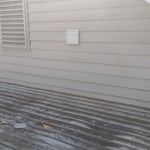
Exterior Vent
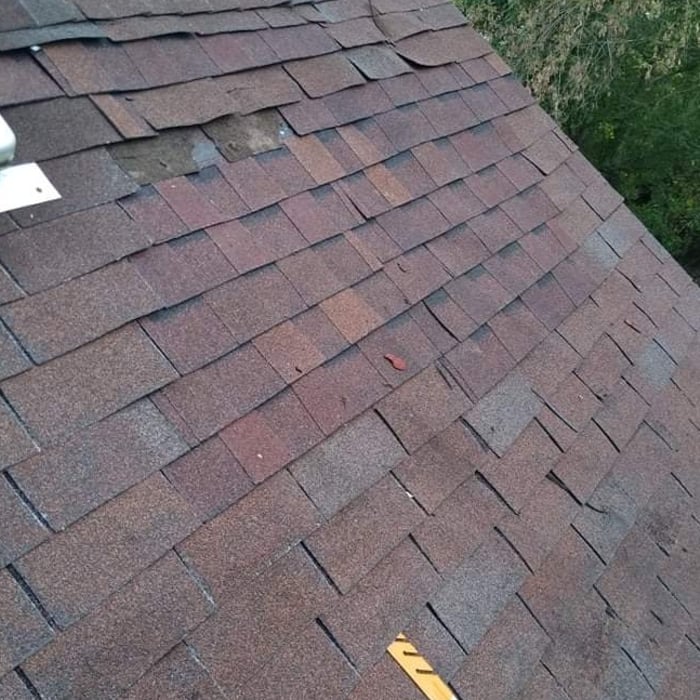
Repaired

+49

Recommended by100%of homeowners
Showing 1-10 of 43
Deck Maintenance questions, answered by experts

It is definitely worth sanding a deck to ensure the wood absorbs new stain. Sanding a deck removes the outer layers of aging wood, allowing the stain to penetrate. It also gives a fresh look to the entire surface as part of the deck refinishing process. Without sanding, your stain or sealant is less likely to absorb into the wood. While sanding a deck is a time-intensive project, the rewards are noticeable and long-lasting.

Rot loves moisture, so deck rot typically impacts the parts of a board that stay wet. This includes the underside of boards, in addition to support posts and joists. However, any part of a board can rot, given the right conditions. 

It’s best to prime composite decking before painting. This promotes better paint adhesion, helps create a smooth finish, and can mean the paint job will last longer. Always follow the manufacturer’s instructions for application, allow ample primer drying time before painting (typically 24 to 48 hours), and thoroughly clean the deck boards to promote the best adhesion.
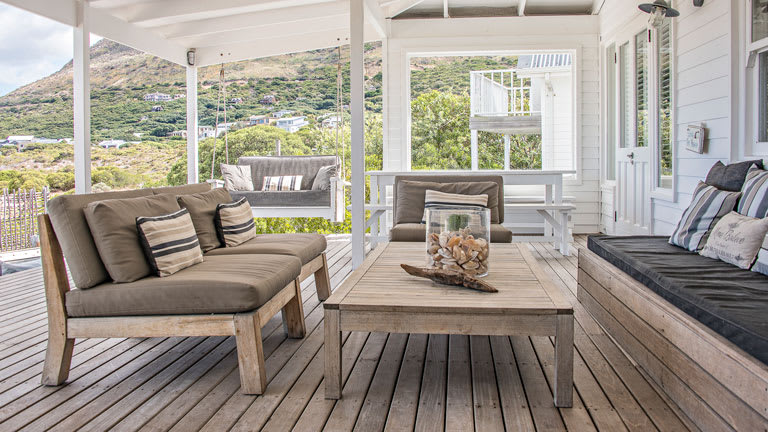
In most cases, your deck will need some form of deck footing to hold it in place, preventing moisture from rotting your wood and decreasing your deck’s lifespan. Concrete deck blocks are the most common type of footing for floating decks. Some homeowners use ground-level deck footings. For added security, consider digging and laying your ground-level footings below ground.
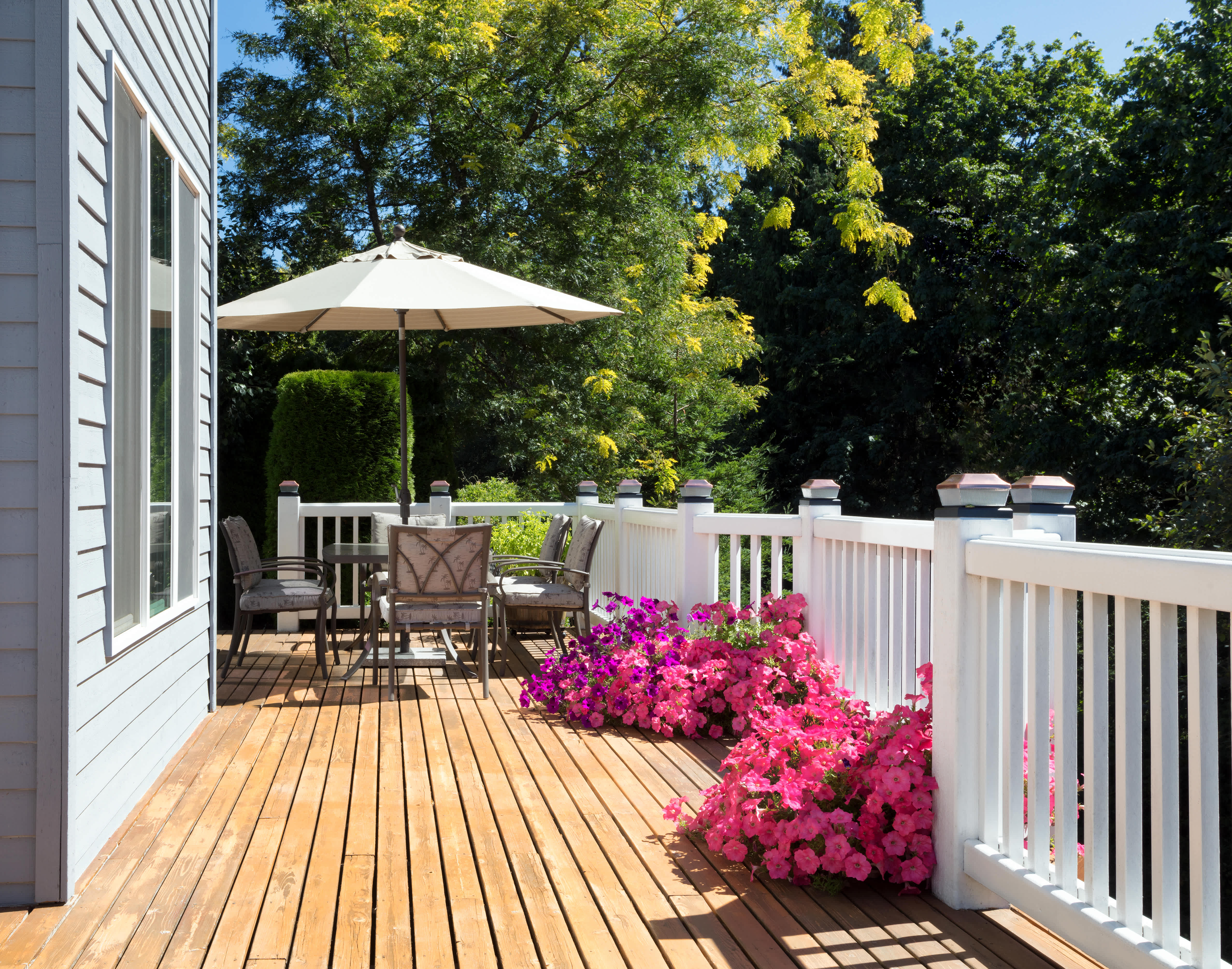
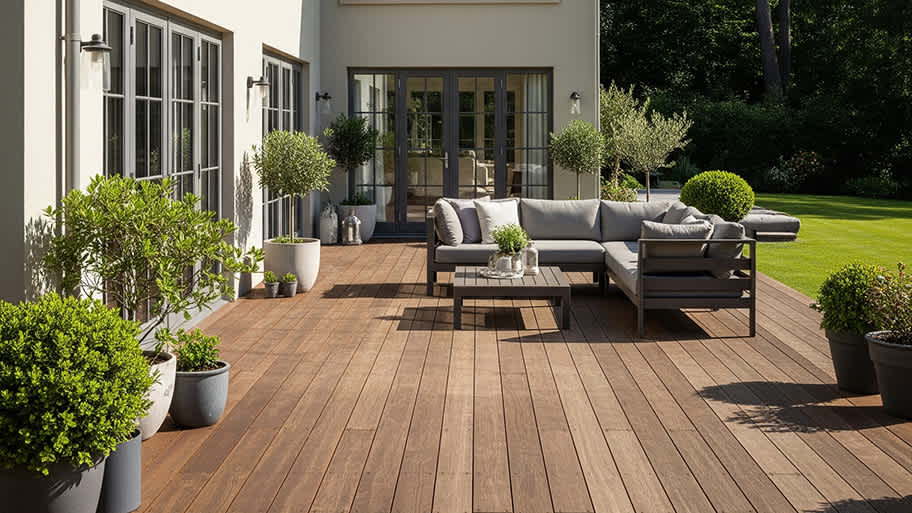
Yes, deck pier blocks can be used as an alternative to traditional deck footings, particularly for small or low-to-the-ground decks. Unlike poured concrete and buried post footings, deck blocks don’t require digging or pouring. However, their use is regulated by local building codes, and they may not be permitted in areas prone to high winds, earthquakes, or hurricanes. Always consult your local building codes before choosing them for your deck project.

The Breckenridge, MI homeowners’ guide to deck maintenance services

From average costs to expert advice, get all the answers you need to get your job done.