






Top-rated deck maintenance specialists.

Best deck maintenance specialists near Saint Louis, MI

Enter your zip and get matched with up to 5 pros

Need a pro for your deck maintenance project in Saint Louis, MI?

Select your specific project to find the pro for you.

Top-Rated Deck maintenance specialists in Saint Louis - Updated Nov 2026

Kings Designs
5.0(
15
)
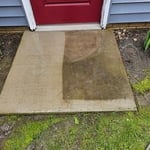
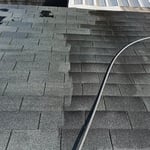
Deck, Fence, Patio or Porch - Clean and SealDeck, Fence, Patio or Porch - Clean and Seal - For Business

Serving Saint Louis, MI and surrounding areas

Emergency services offered

Credit card accepted

"I had gutters installed on my garage. The work was done quickly and Cameron Dawson was very prompt on day of installation, also very prompt on the estimate and replying to my emails. Kings Design did an excellent job and I definitely have more jobs for them."
The process
Removal
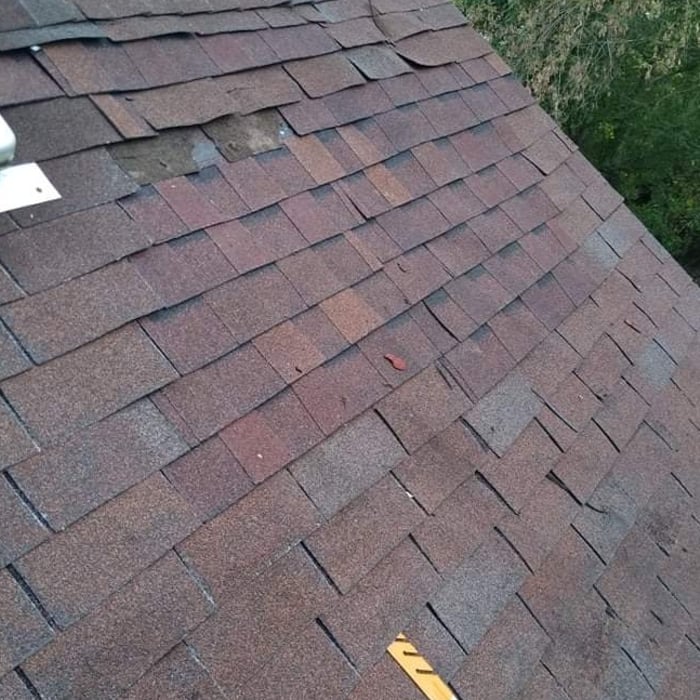
Before
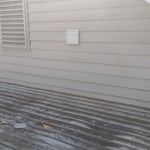
Exterior Vent
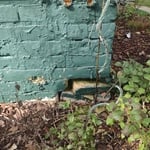
Repaired

+49

Recommended by100%of homeowners
Showing 1-10 of 43
Deck Maintenance FAQs, answered by experts

You can nail or screw composite decking, but 3-inch decking screws are the better fastener choice. Unlike nails, decking screws won’t back out of the composite material over time. There’s also little danger of splitting composite material when driving screws, so you don’t need to pre-drill holes unless otherwise recommended by your decking manufacturer.

The overhang, or nosing, of deck steps is another area that will be covered in building code requirements. The noses on your deck steps should have a minimum overhang of ¾ inch. For safety, usability, and code compliance, the nosing of deck steps should not extend past 1¼ inches.

With proper installation and maintenance, a vinyl deck can last up to 30 years. Factors like regular cleaning, minimal wear and tear, proper installation, and the use of higher-grade materials can extend its durability. However, extreme weather conditions or neglecting maintenance might shorten its lifespan. Adhering to manufacturer recommendations for care and occasional inspections can significantly prolong a vinyl deck's longevity.

You do not have to dig footers for a deck as long as it meets local code and holds up to weather in your area. If you live somewhere that experiences high winds and earthquakes, you may need to dig for your deck posts. Deck blocks, post anchors with base plates, and helical pile systems are the three no-dig deck post options you can choose from if local code permits.

The best base materials for a ground-level or floating deck are typically gravel and crushed stone (also known as landscaping rocks). These options are inexpensive, provide excellent drainage, prevent weeds, and help minimize moisture buildup, which reduces shifting and rotting. For added stability and to evenly distribute the weight, you can use concrete deck blocks or pavers. While more expensive, concrete blocks and pavers offer a sturdier base than gravel or crushed stone alone.

The Saint Louis, MI homeowners’ guide to deck maintenance services

From average costs to expert advice, get all the answers you need to get your job done.