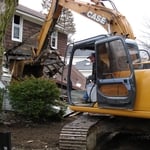
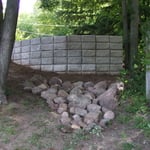
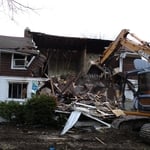
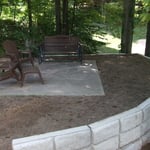
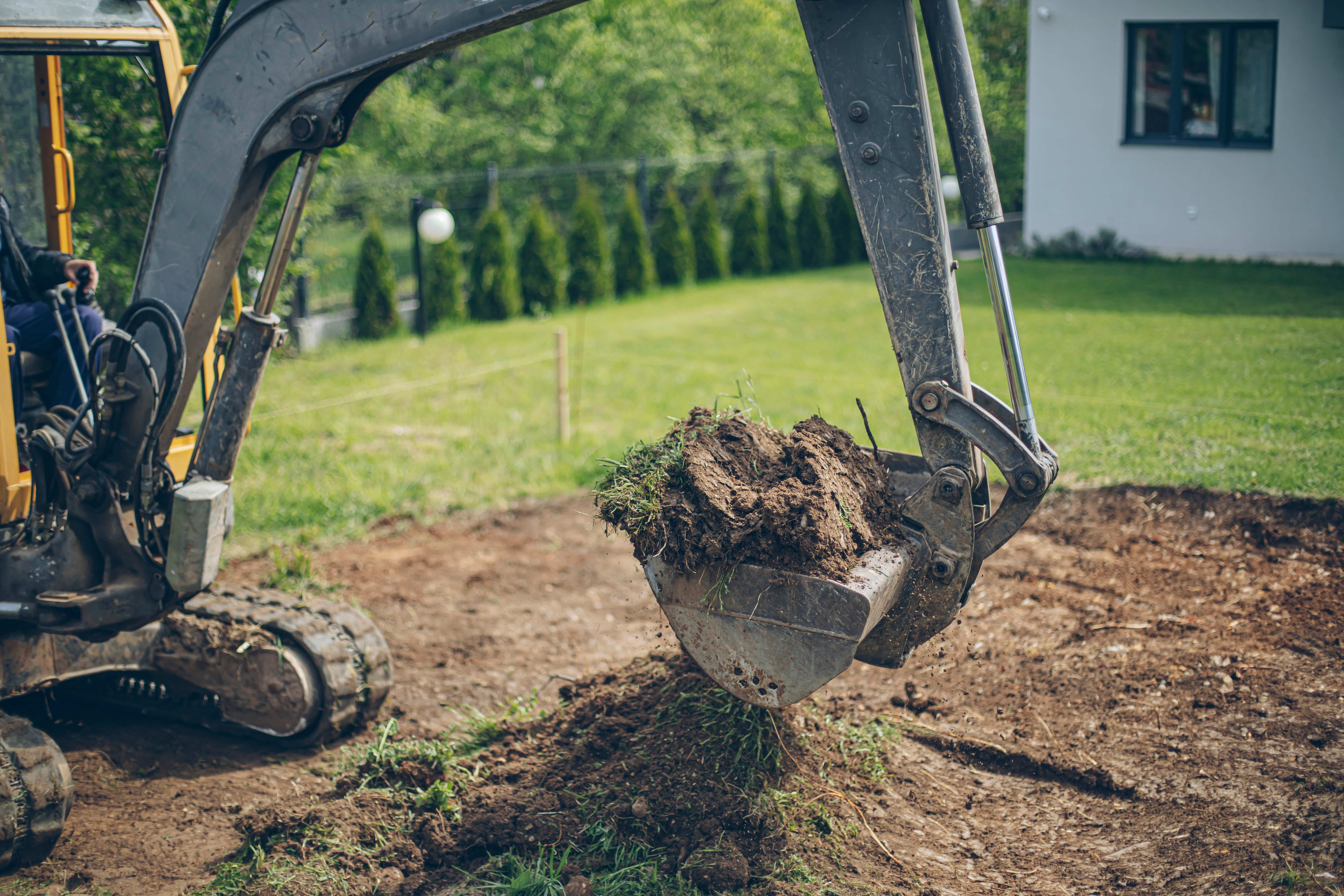
We are a top of the line excavating,landscaping,and snow removal business based in Marion Michigan. We have years of experience and do the work to prove that! No matter what job big or small, we can do it all exactly how you want it and hassle free! Give us a call at 231-846-9098 and ask any questions to any project! All our quotes to you are free.
Summit Outdoor Services has been dedicated to this craft for over 4 years. We pride the company on reliability, excellent communication, integrity, and quality work. We strongly believe in giving our absolute best in all our projects no matter how big or small. We look forward to earning your business!
We are a family ran business that loves playing in the dirt, LOL. We offer new home prep, tree removal, septic install, driveway work and much more. Just give us a call and we will be there to help!
We provide reliable handyman services and outdoor improvement solutions with a focus on quality, efficiency, and long-term results. From small repairs and property cleanups to grading, drainage, and backyard upgrades, we help homeowners get their projects done right without the hassle.\nOur work covers a wide range of services including yard cleanups, tree trimming, light demolition, power washing, and general handyman tasks. We also specialize in outdoor projects like patio prep, leveling, and landscape improvements—helping turn everyday spaces into functional, usable backyards.\nWe take a practical, construction-focused approach to every job. That means showing up on time, communicating clearly, and doing the work properly the first time. Whether it’s a quick fix or a larger outdoor project, we aim to deliver results that last.\nHomeowners choose us because we’re dependable, straightforward, and focused on getting the job done right—no shortcuts, no surprises.
Hello, my name is Israel Chavez. I’ve been doing Roofing and Trash and removel for six years. I work all over the state of Michigan. i’m great at what I do I own 216 foot dump trailers and the reason why you should hire me is because I do a great job I clean up.
Northern Ground Services has become a staple of professionalism and quality work in Michigan for years. With decades of experience, there is no job too large or small. Call today to schedule an appointment!
"Dave and Monarae are great. Monarae is excellent at communicating with her customers and Dave does a great job in a very timely manner. I would recommend Earthworm for any excavating needs."
We are a top of the line excavating,landscaping,and snow removal business based in Marion Michigan. We have years of experience and do the work to prove that! No matter what job big or small, we can do it all exactly how you want it and hassle free! Give us a call at 231-846-9098 and ask any questions to any project! All our quotes to you are free.
Trenching and boring are two distinct methods for installing underground utilities. Trenching involves digging a channel using equipment like an excavator, trencher, backhoe, or shovel. While it is a simpler process, it causes significant disruption to the surface, landscaping, and surrounding ecosystems.
Boring, also known as directional boring, is a less invasive alternative that uses a drill to create a tunnel for utility lines without disturbing the surface. This method is more precise and is ideal for installations that need to go underneath buildings, roads, or bodies of water. Although boring is less disruptive, it is generally more expensive than trenching.
Excavations take a few days or up to a few weeks. The time it takes to excavate an area depends on the size of the area, the type of soil, the type of excavator, and even the time of year, since winter can make digging up the ground more difficult.
While general contractors sometimes handle demolition, you can also look specifically for local demolition contractors. Demolition experts need to understand structural integrity, the equipment needed for safe demolition, and the permits required for demolition.
You can bury underground electrical wire six inches deep—but only if you use a rigid metal electrical conduit. For rigid, non-metallic conduits, bury the wire at least 12 inches deep. If using an underground feeder cable rated for direct burial, you'll need to place it at least 18 inches deep, as it has no conduit for extra protection.
Preparation involves site assessment, clearing debris, grading surfaces, and compacting soil to support stable construction.
The Six Lakes, MI homeowners’ guide to excavation services
From average costs to expert advice, get all the answers you need to get your job done.
Excavation costs $1,500 to $6,300 for most residential projects—but it depends on factors like the size of the area. This guide will help you plan a budget.
You can't have an in-ground pool without digging into the ground. How much does pool excavation cost, and can you take it on yourself? Our guide explains.
Picking the right pro can make or break your project. Learn how to hire an excavation pro with the qualifications and skillset to do the job efficiently.