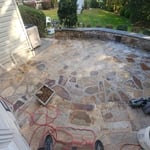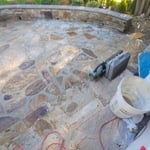







Top-rated fire pit installation pros.

Get matched with top fire pit installation pros in Hampton, MD

Enter your zip and get matched with up to 5 pros

Need a pro for your fire pit installation project in Hampton, MD?

Select your specific project to find the pro for you.

TRUSTED BY HAMPTON, MD HOMEOWNERS

  • Average homeowner rating star icon4.6
    Average homeowner rating
  • Verified reviews icon843
    Verified fire pit installation services reviews

Find Fire pit installation pros in Hampton

No results for Fire pit installation pro in

Try adjusting your search criteria.
Fire Pit Installation questions, answered by experts

Costs depend on system type, building size, labor, and regulatory compliance requirements.

Baseboard heaters are generally safe and efficient, but they can be dangerous if safety precautions are not followed. To ensure safety, do not block the heaters with furniture, drapes, open doors, or other items, and maintain clear space around them for proper heat flow. Regularly check that items have not fallen on or under the units. If you have children or pets, make sure they stay clear of hot heaters to avoid burns. For added safety, consider models with an automatic shut-off feature and have them professionally tested. If a problem occurs with a baseboard heater, always contact a qualified electrician or HVAC professional for repairs.

The National Fire Protection Association (NFPA) says you can place smoke detectors on either the ceiling or the wall, depending on the setup of your room. Since smoke rises, the ceiling makes sense, but if you go with a wall mounting, the alarm should be installed high up—no less than 12 inches from the ceiling. 

While your forced heating system runs, it can pick up dirt, dust, hair, and other particles from inside your house. Changing your furnace filters regularly is key to preventing this debris from getting stuck in your ducts and swirling around your home. With some types of furnaces, there’s also the potential for carbon monoxide leaks. However, staying up-to-date with your HVAC inspections and installing carbon monoxide sensors can help mitigate this risk.

Yes, a chimney damper is necessary. It controls airflow in and out of your fireplace, helping to retain heat when closed and allowing smoke to escape when open. Without a damper, your home could lose warmth during cold months, leading to higher energy bills. It also helps prevent downdrafts and keeps animals or debris from entering the chimney. In short, it’s essential for efficiency and safety.

The Hampton, MD homeowners’ guide to fire pit installation services

From average costs to expert advice, get all the answers you need to get your job done.