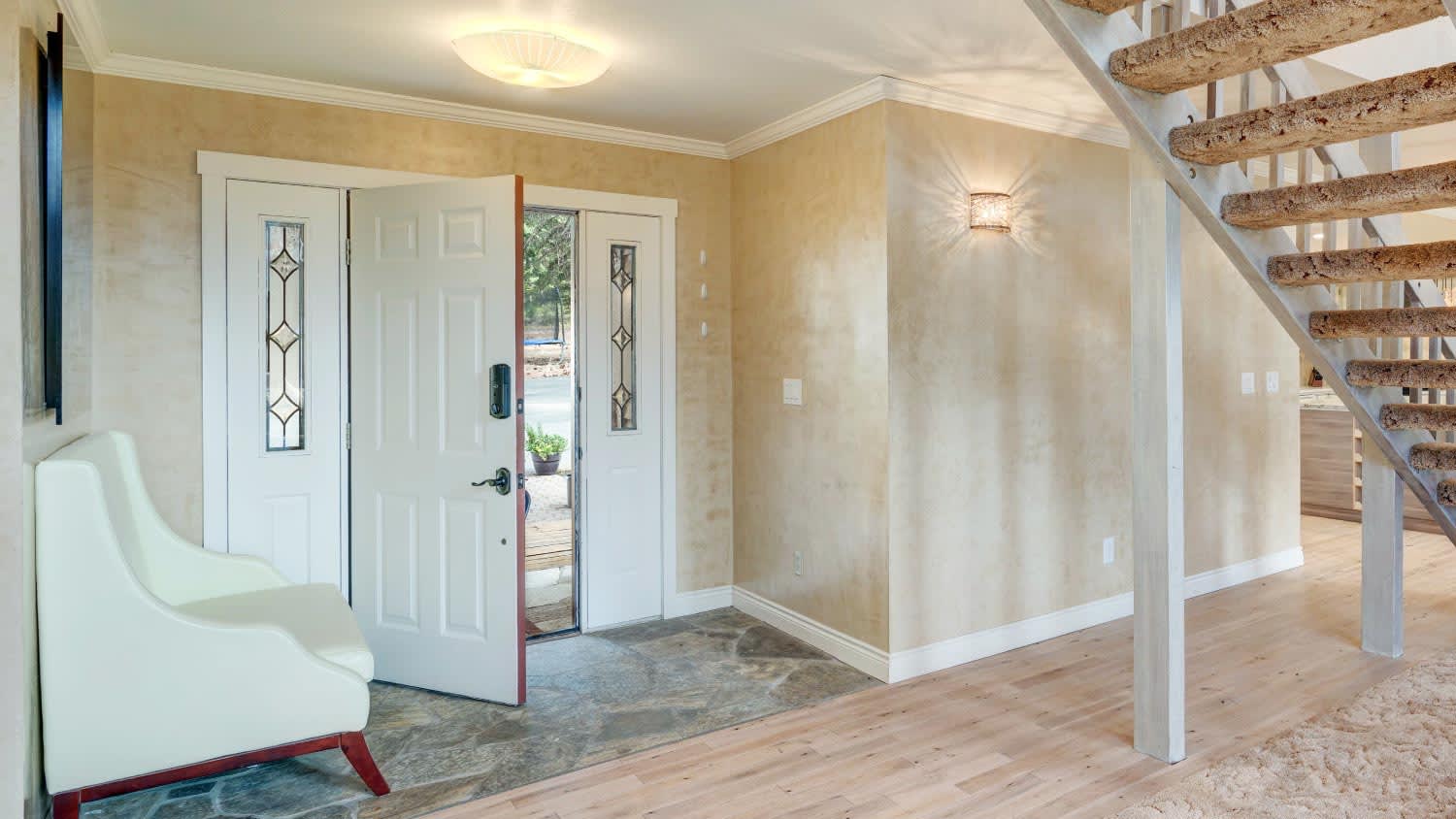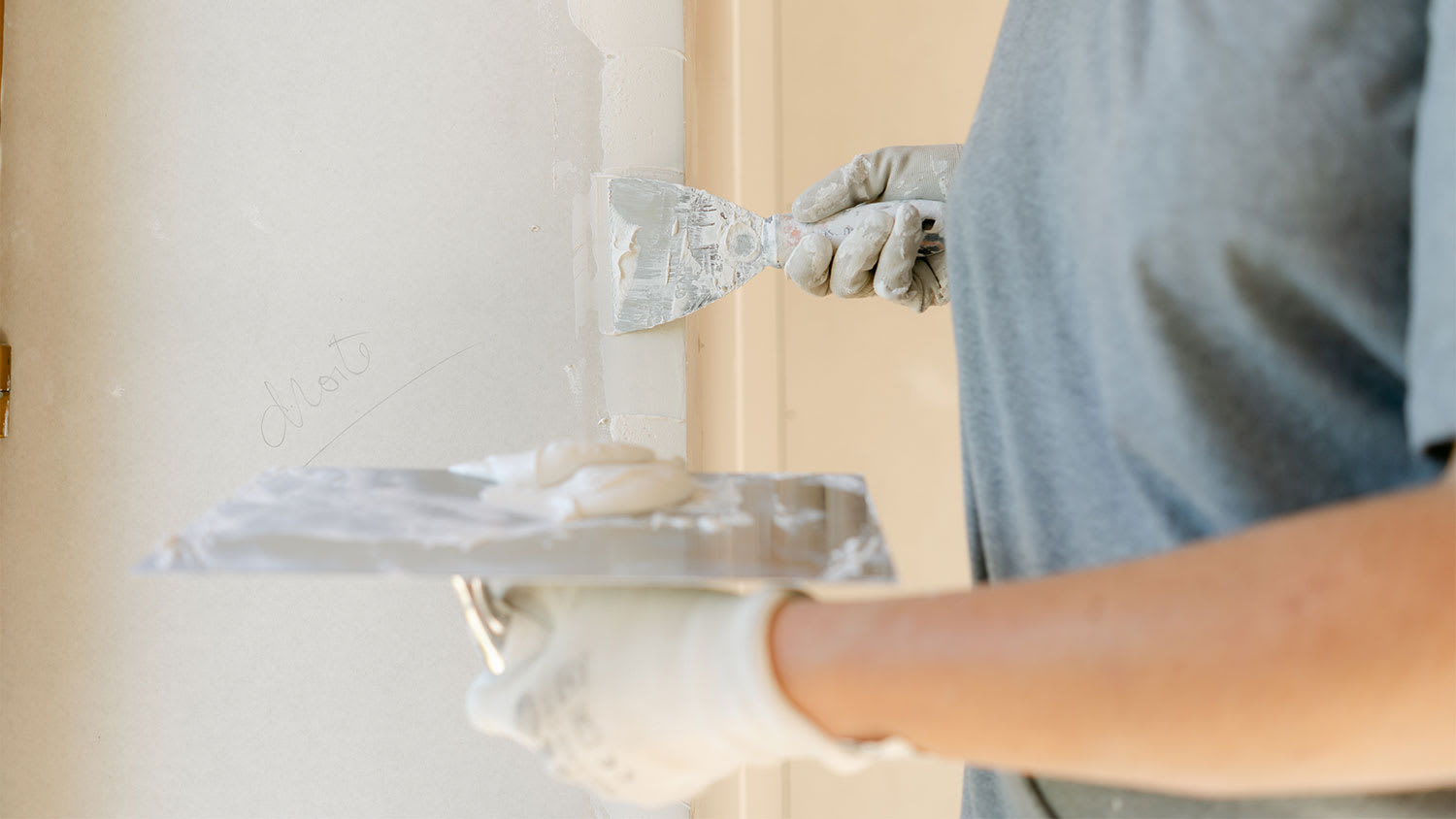









Top-rated plaster repair specialists.

Best plaster repair specialists near Denton, MD

Enter your zip and get matched with up to 5 pros

Need a pro for your plaster repair project in Denton, MD?

Select your specific project to find the pro for you.

Top-Rated Plaster repair specialists in Denton - Updated Nov 2026

Quality Insulation
5.0(
2
)
Plaster - Install - For BusinessPlaster - Repair - For Business

Serving Denton, MD and surrounding areas

In business since 2006

Free estimates

Credit card accepted

"Chris Jordan and his team did an excellent job with my attic insulation. Chris was very professional and quite nice. He explained everything in detail during the consultation. I received four quotes and Chrisâ was quite comparable. I had a roof issue going on and wanted to complete the removal/replacement of the insulation in phases. Chris worked with me to complete the insulation as needed. His crew arrived on time. They covered work areas prior to working and ensured that everything was clean afterwards. They even did some extras without nickeling and diming me. The pricing was quite reasonable for all the effort they put in. I would definitely recommend Quality Insulation for the exceptional service provided."
Recommended by100%of homeowners
Plaster & Drywall
New to Angi
Plaster - Install - For BusinessPlaster - Repair - For Business

Serving Denton, MD and surrounding areas

In business since 2001

Credit card accepted

Offers commercial services

We take great pride in our experience, expertise, quality and customer service that we provide to meet every consumer's needs. \nIt is our mission to provide excellent customer service from start to completion of a project. \nTo understand the needs and expectations of our customers, we take great care to work and communicate with every customer in a personal and professional manner. \nOur reputation is based on service, safety and quality, regardless of how large or small the job. \n

Showing 1-10 of 46
Plaster Repair FAQs, answered by experts

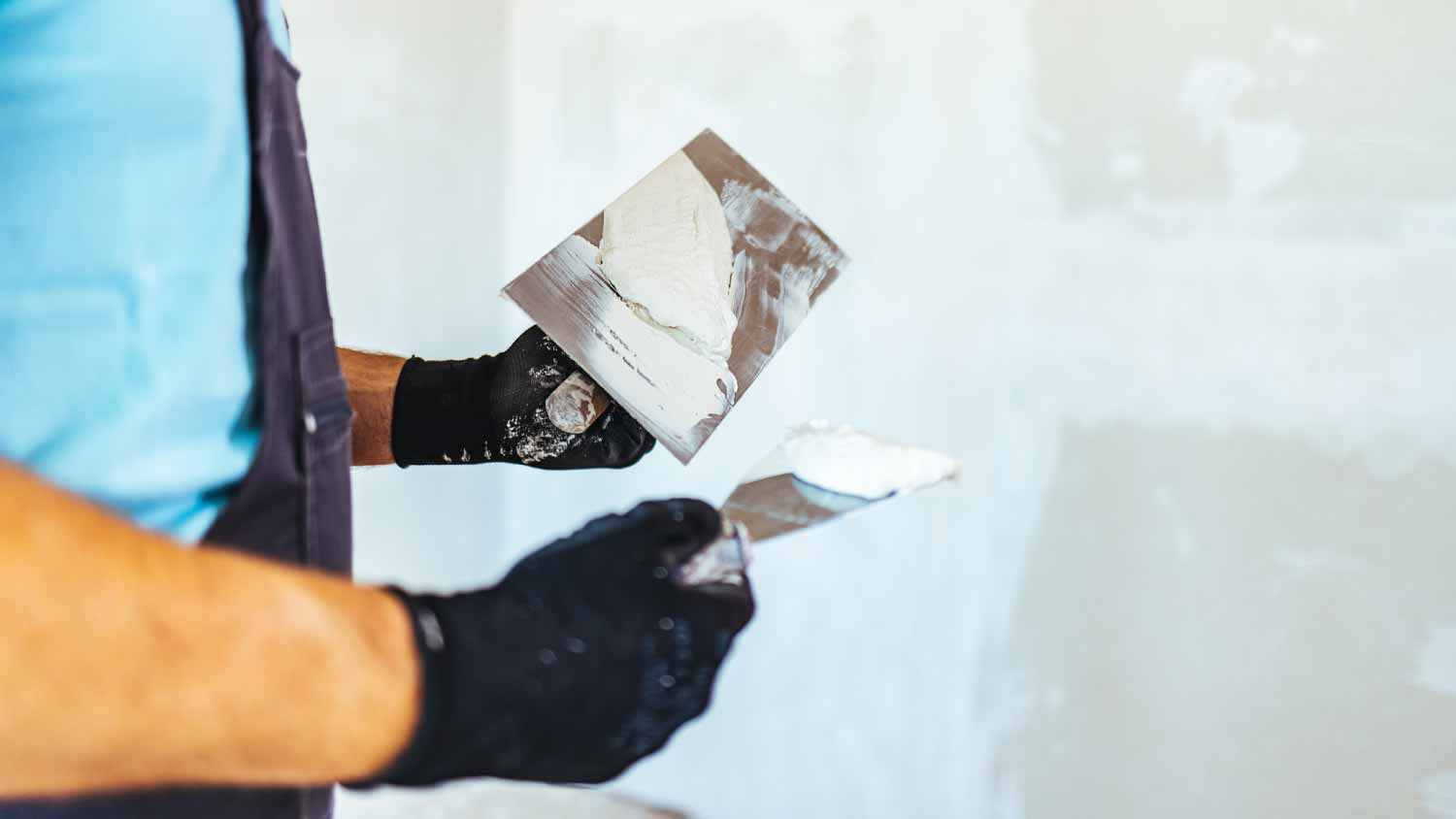
Yes, you can use drywall repair techniques for some types of plaster damage. Tiny holes and small cracks in plaster can be patched in similar ways to drywall. You apply the necessary compound to fill the hole, wait for it to dry, then sand it down. For larger damage, like water damage or mold, you need to use plaster-specific techniques and materials.

It is possible to apply plaster on the interior or exterior of your home, but we don’t recommend it. Plaster is easy to apply in theory, but in reality, it can be a challenging material to work with, and it’s difficult to get the finished product to look clean, even, and smooth. Many DIYers end up calling in a professional afterward to touch up the area or even redo it entirely because of mistakes they made in the process. Hiring a plaster pro will cost more, but it’s usually the best option to achieve high-quality results.

You can skim coat plaster, but it’s better to repair the plaster itself. A skim coat is a thin coat of drywall joint compound spread over the surface of a wall. The result is a flat finish that looks pleasing, but part of the appeal of plaster is its imperfections and aesthetic. Skim coating is best when limited to drywall applications.

If your home was built before the 1940s and was not remodeled in the past 50 or so years, you probably have plaster walls. Aside from assuming, there are some practical ways to tell if you have plaster walls, including the following: If you knock on the wall and it feels solid, not hollow, if you can’t insert a thumbtack easily, if there are cracks that look like spiderwebs, or if your home has curved, arched, or swirled walls, doorways, or window openings.

If you have an unfinished basement or attic, you could examine the backs of any finished walls to check, too.

All plaster walls will crack over time due to normal house settling and expansion and contraction from temperature and moisture changes. Small, thin hairline cracks are generally not serious and are mostly a cosmetic issue. However, larger or more significant cracks can indicate structural problems.

Here's how to tell the difference:

  • Cosmetic Cracks: Cracks that are 0.5 cm (0.2 inches) or thinner are typically cosmetic.

  • Structural Cracks: Cracks wider than 0.5 cm, excessive or deep cracks, multiple cracks in the same area, or cracks that span around corners can signify a structural or foundation issue. Cracks along the joints where walls meet the ceiling also warrant attention.

For cracks wider than 0.5 cm, structural repair is needed. If a crack is 2.5 cm (1 inch) or wider, or if you notice any signs of a structural problem, it is best to contact a plaster repair professional to assess the damage.

The Denton, MD homeowners’ guide to plaster repairs

From average costs to expert advice, get all the answers you need to get your job done.