Top-rated excavation pros.

Best excavation pros near Millis, MA

Enter your zip and get matched with up to 5 pros

Need a pro for your excavation project in Millis, MA?

Select your specific project to find the pro for you.

TRUSTED BY MILLIS, MA HOMEOWNERS

  • Average homeowner rating star icon4.6
    Average homeowner rating
  • Verified reviews icon84
    Verified excavation services reviews

Top-Rated Excavation pros in Millis - Updated Nov 2026

Avatar for SEAN FARRELL EXCAVATION INC
SEAN FARRELL EXCAVATION INC
4.6(
84
)
Excavation - Major Grading or ReslopingBuilding Site - Preparation and ClearingBuilding Site - Preparation and Clearing - For Business+2 more

Serving Millis, MA and surrounding areas

Approved

In business since 1998

Free estimates

Emergency services offered

"Sean Farrell Excavation was hired to do over our driveway. Sean clearly reviewed all the materials, steps involved, and hours that the crew would be at our property. The work was meticulous and on time. Reviewing the steps beforehand left us with no surprises and we were able to plan our day to day around it. We were thrilled with the finished results. Sean took the time to listen, relay it to his crew and deliver a gorgeous driveway. We even got a phone call when work was completed to make sure we were happy, something that rarely happens from a company owner these days. I would highly recommend him and his crew for any similar work."
Basement dig out
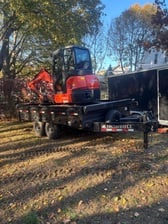
Equipment ready
Typical sewer pipe installation ready for backfill
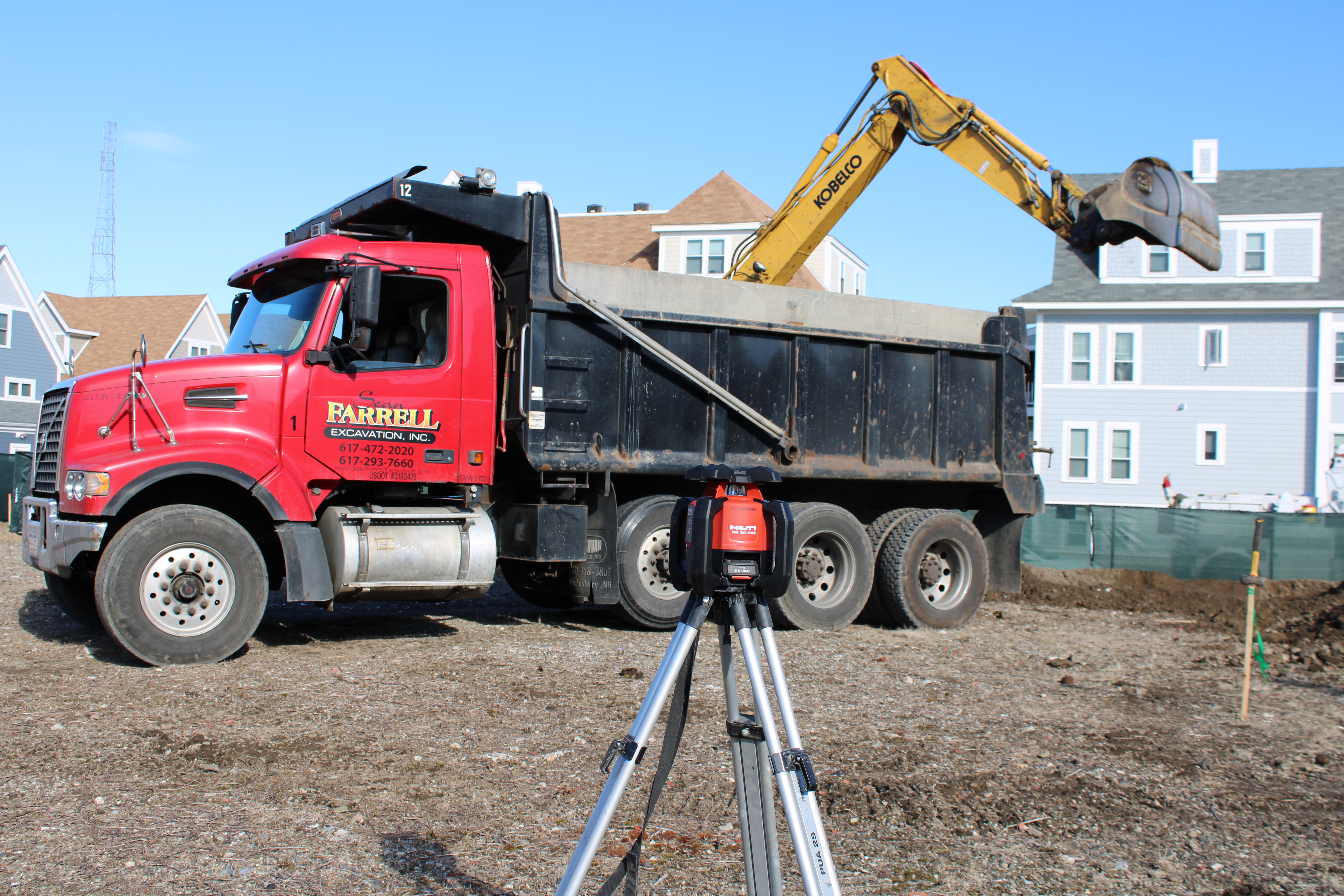
Foundation dig out - ready for forms and concrete pour.
Additional Photos

+3

Response time2 days
Response rate100%
1 neighbors recently requested a quote

Avatar for H&H Landscape Management
H&H Landscape Management
5.0(
135
)
Landscape - Minor Grading or Resloping

Serving Millis, MA and surrounding areas

Approved

Super Service Award Winner

In business since 2004

Free estimates

Warranties offered

"H & H was contracted to perform heavy equipment work to position a number of large boulders on our property. The team was super to work with. They arrived with a large tracked excavator with grappler configured to lift and perform 360 degree positioning, and worked with us to arrange and configure the 4,000 to 5,000 pound boulders into position. The crew were great, they were concerned about achieving just the right look, and got everything just right. We could not have been more pleased!"
Additional Photos
Additional Photos
Additional Photos
Additional Photos
Additional Photos

+21

Response time1 day
2 neighbors recently requested a quote
Recommended by86%of homeowners
...
Showing 1-10 of 219
Excavating FAQs, answered by experts

The rules and regulations regarding groundwater use vary between states. To find out if you can dig a well on your property, you’ll have to consult these regulations, address any compliance requirements, and get the appropriate permits. It’s also important to check that your intended location has the right geology and water table to support a well.

Trenching and boring are two distinct methods for installing underground utilities. Trenching involves digging a channel using equipment like an excavator, trencher, backhoe, or shovel. While it is a simpler process, it causes significant disruption to the surface, landscaping, and surrounding ecosystems.

Boring, also known as directional boring, is a less invasive alternative that uses a drill to create a tunnel for utility lines without disturbing the surface. This method is more precise and is ideal for installations that need to go underneath buildings, roads, or bodies of water. Although boring is less disruptive, it is generally more expensive than trenching.

There are many ways to cut through roots when digging, especially if your trencher doesn’t seem to be removing the roots. First, use a shovel to expose the roots. Then, use gardening shears to clear out smaller roots or a reciprocating saw to remove larger plant roots. If you plan on keeping the plant, avoid cutting any roots over 2 inches thick.

No, fire blight does not survive free in the soil but instead is carried through insects, animals, rain, or wind during the spring. Keep in mind that it can also spread on tools, which is why you should always disinfect them in between cuts.

The best type of soil to build on is a mixture of sand and clay, known as loam soil. Loam soil has the best combination of these soil types to build a foundation on. The clay particles help with water retention, so it won’t erode like sandy soil might, and the sandy particles help with drainage, so you won’t see unsafe soil expansion or have an increased risk of leaks from water sitting against your foundation.

The Millis, MA homeowners’ guide to excavation services

From average costs to expert advice, get all the answers you need to get your job done.