

Top-rated aquarium service pros.

Best aquarium service pros near Everett, MA

Enter your zip and get matched with up to 5 pros

Need a pro for your aquarium service project in Everett, MA?

Select your specific project to find the pro for you.

TRUSTED BY EVERETT, MA HOMEOWNERS

  • Average homeowner rating star icon4.4
    Average homeowner rating
  • Verified reviews icon1.3k+
    Verified aquarium services reviews

Top-Rated Aquarium service pros in Everett - Updated Nov 2026

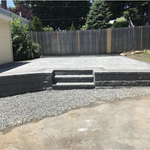
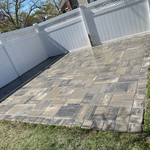
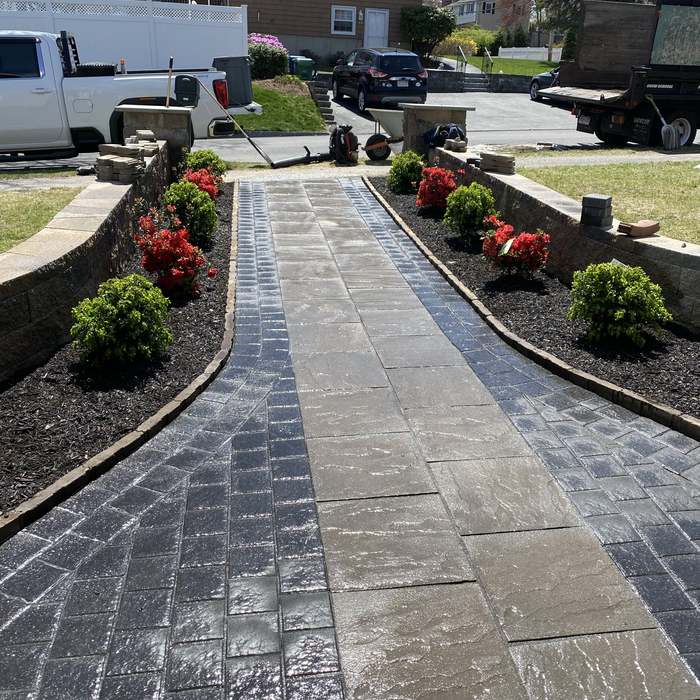
AFFORDABLE MASONRY
4.6(
88
)
Water Feature - Install a Pond

Serving Everett, MA and surrounding areas

In business since 2003

Free estimates

Emergency services offered

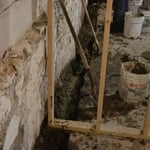
"Very well. The crew did a very thorough job removing the old and damaged mortarwork, and since they used a power washer as well as rock hammers the basement was quite a lot cleaner when they left than when they started. The worked quickly, cleaned up thoroughly, found and fixed more than expected, and completed ahead of schedule and on budget."
Additional Photos
Additional Photos
Additional Photos
Additional Photos
Additional Photos

+3

Recommended by95%of homeowners
JLM Landscape Design, LLC
4.5(
18
)
Water Feature - Install a Pond

Serving Everett, MA and surrounding areas

In business since 2002

Free estimates

Credit card accepted

"Jimmy responded right away, and gave us an unbeatable price. The sod he brought was cut the morning of the job, not from a big box such as Home depot. He was very helpful in explaining the process. We also asked him to get us some mulch and he brought samples for us to pick from. His team was respectful and worked efficiently. Would and will hire him again."
Response time1 day
Recommended by93%of homeowners
Showing 1-10 of 43
Aquarium Services FAQs, answered by experts

All municipalities in the U.S. require a permit for septic tank installation or septic system alteration, and the permit will usually cost between $450 and $2,500. Some municipalities also require permits for septic system repair. You’ll either need to contact your local building department or your septic tank company to ask if this is necessary before carrying out the work. Permits are not typically required to have your septic tank pumped, so provided your septic company is licensed, you can move forward with the work as needed.

Although cesspits may be necessary depending on your main sewage system access or nearby soil quality, they carry a few drawbacks. Cesspools require regular emptying and have relatively high maintenance and pumping costs. Certain areas also disallow the use of cesspools and may require you to cover the cost of existing cesspools to be converted into septic tanks.

You can check your own septic tank, but take precautions. Locate the access lid, usually buried a few inches underground, and remove it carefully. Look for the sludge and scum levels, and if they’re high, that means pumping may be necessary. Check for odors, slow drains, or pooling water around the drain field, which could indicate issues. Never enter the tank, as toxic gases can be fatal. All of that being said, a professional inspection is safer and more thorough.

Before you hire a septic repair pro, make sure you get three written quotes from local companies to help you evaluate qualified candidates. Ask each company to provide proof of licensure and insurance. Finally, when you decide to hire a specific pro or company, ask for a written contract that sets out all the essential terms, including specific work expectations, a timeline, what permits are needed, who is responsible for obtaining permits, and clear payment details, including due dates.

A septic system's lifespan typically ranges from 15 to 40 years, with a common average of 20 to 30 years. The longevity heavily depends on the tank's material, maintenance diligence, and usage habits. With proper care, lifespans can reach the upper end of this range.

Lifespan by Tank Material:

  • Concrete: 20 to 40 years

  • Plastic or Fiberglass: 30 to 40 years

  • Steel: 15 to 20 years

To maximize your system's lifespan, follow these maintenance best practices:

  • Regular Pumping and Inspections: Have the tank pumped every three to five years and schedule professional inspections regularly.

  • Mindful Usage: Only flush human waste and toilet paper. Avoid putting items like cat litter, paper towels, cigarette butts, fats, grease, oils, or coffee grounds down your drains.

  • Avoid Chemicals: Do not pour harsh chemicals into the system.

  • Water Conservation: Reduce the amount of wastewater your system has to process.

  • Protect the Drain Field: Avoid driving or building heavy structures over the drain field area.

The Everett, MA homeowners’ guide to aquarium services

From average costs to expert advice, get all the answers you need to get your job done.