





Top-rated electricians.

Get matched with top electricians in Jonesville, LA

Enter your zip and get matched with up to 5 pros

Need a pro for your electrical service project in Jonesville, LA?

Select your specific project to find the pro for you.

Find Electricians in Jonesville

Avatar for Corrigan, LLC
Corrigan, LLC
4.8(
25
)
Lightning Protection - Install or Repair

Serving Jonesville, LA and surrounding areas

Approved

In business since 1954

Free estimates

Emergency services offered

"John Corrigan and his sons are outstanding! They did outstanding work installing our lighting rods at a reasonable price. They were prompt, very professional and honest. I would call them again and recommend them to anyone."
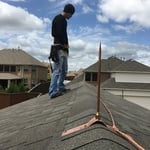
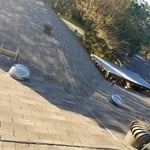
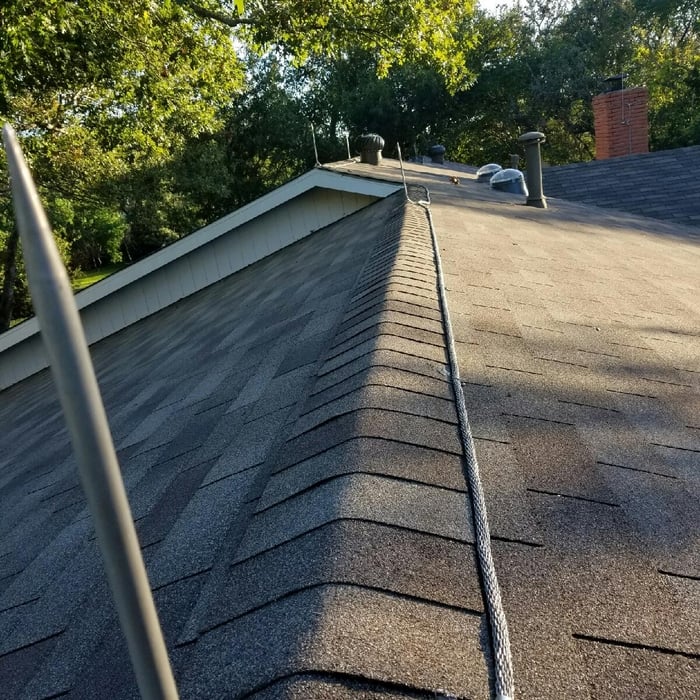
Shingle roof air terminal
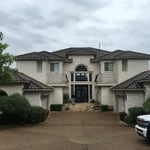
Residential 1
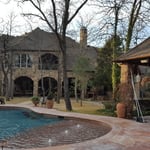
Residential Spanish tile
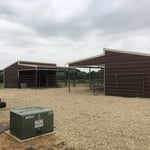
Horse stable
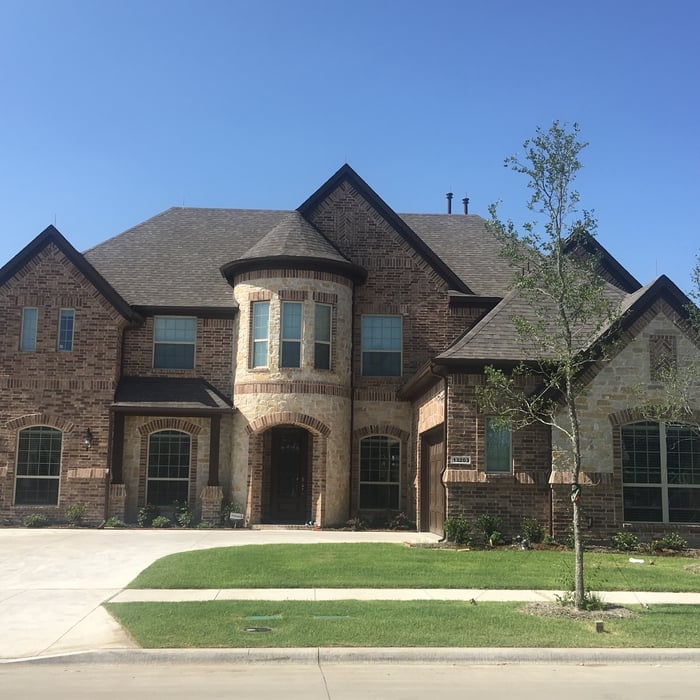
Residential 2

+23

Response time1 day
15 neighbors recently requested a quote
Recommended by100%of homeowners
Avatar for 4LP, LLC
4LP, LLC
3.9(
11
)
Lightning Protection - Install or Repair

Serving Jonesville, LA and surrounding areas

Approved

In business since 1996

Free estimates

Customers say: Quick response

"Very professional Sales and installation staff. No pressure sales here. They did not try to oversell product that were not necessary for our situation. The installation crew worked quick. The install was neat and professional."
Side View
Front View
Front View
Balcony View
River View

+3

Recommended by100%of homeowners
...
Showing 1-10 of 93
Electrical questions, answered by experts

Most household circuits can handle about 70 strings of 50 standard mini lights, or up to 600 strings of LED lights, which consume less power than the incandescent variety. Make sure to factor in any appliances also running on the circuit.

It might seem tempting to use 14-gauge wires for your outlets, as they can run a little cheaper. But, when it comes to electrical work, it’s best not to cut costs less you overload your circuit. A 12-gauge wire will ensure that you’re protecting the outlet (and your circuit breaker) from any potential overloads that might incur, as it can handle a little more amplitude than a 14-gauge wire.

According to the National Electrical Code (NEC), GFCI outlets should be installed in wet or damp locations where they might be splashed with water or other liquids. This is to protect against ground faults, which are more common around water. Specific areas that require GFCI outlets include kitchens (especially near counters), bathrooms, laundry rooms, basements, garages, and all outdoor receptacles. Depending on local electrical codes, you may need at least one GFCI outlet in these rooms, or every outlet in the area may need to be GFCI protected.

A GFCI outlet can be 15A or 20A. The average American home power outlet is 15A.

The common, marked as COM or C, is one of the terminals found in your light switch. It houses the live wire that supplies the input voltage. The other terminals, marked as L1 or L2, are the outputs to the light fixtures. Depending on if you have a one-way or two-way switch, you’ll either have just an L1 terminal or both an L1 and L2 terminal.

The Jonesville, LA homeowners’ guide to electrical services

From average costs to expert advice, get all the answers you need to get your job done.