




We are a family owned company providing affordable and environmentally safe sewer treatment systems. We install and repair septic tanks, culverts, liftstations, and much more.

"He was able to quickly diagnose that the water leak from the water heater was a result of a ruptured tank, resulting in the need to replace the entire water heater."
"I just pay $75 you never know who's going to come out. They do everything electrical. Just about everything is covered except the septic tank. I had an air conditioner replaced. It went great, all I had to do was pay for the freon. He didn't charge e more than what was needed."
Bladder and diaphragm well pressure tanks are usually pre-charged at the factory. Even so, it’s important to check the air pressure in the tank using a tire pressure gauge on the relief valve. The instruction manual usually calls for 28 psi. Use a hand pump to add more air or release some air from the tank to reach the desired number. Check the pressure periodically to see if you need to add more air to the tank.
The physical constraints of hand-drilling a well limit the depth you can achieve. Manually digging with picks and shovels may only lead to shallow wells of up to 60 feet in depth. To reach greater depths, you need more specialized equipment. The diameter of your well and the tools you’re using will determine how far down you can dig.
Deciding between an engineered septic system and a conventional one depends on property size, soil quality, local regulations, and environmental factors. If your property has limited space, poor soil, or is close to sensitive environmental features, an engineered system may be required. Professional site evaluations, considering water usage, long-term plans, and budget constraints, can help determine the appropriate choice. Consulting with a septic system professional is crucial for ensuring compliance with regulations and selecting the best system for your property's unique needs.
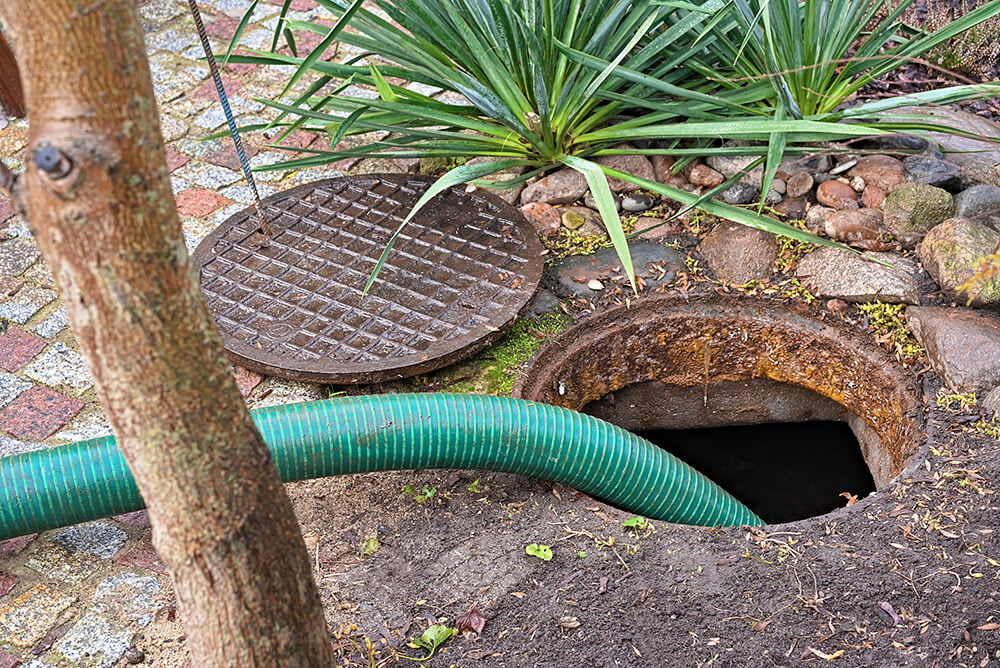
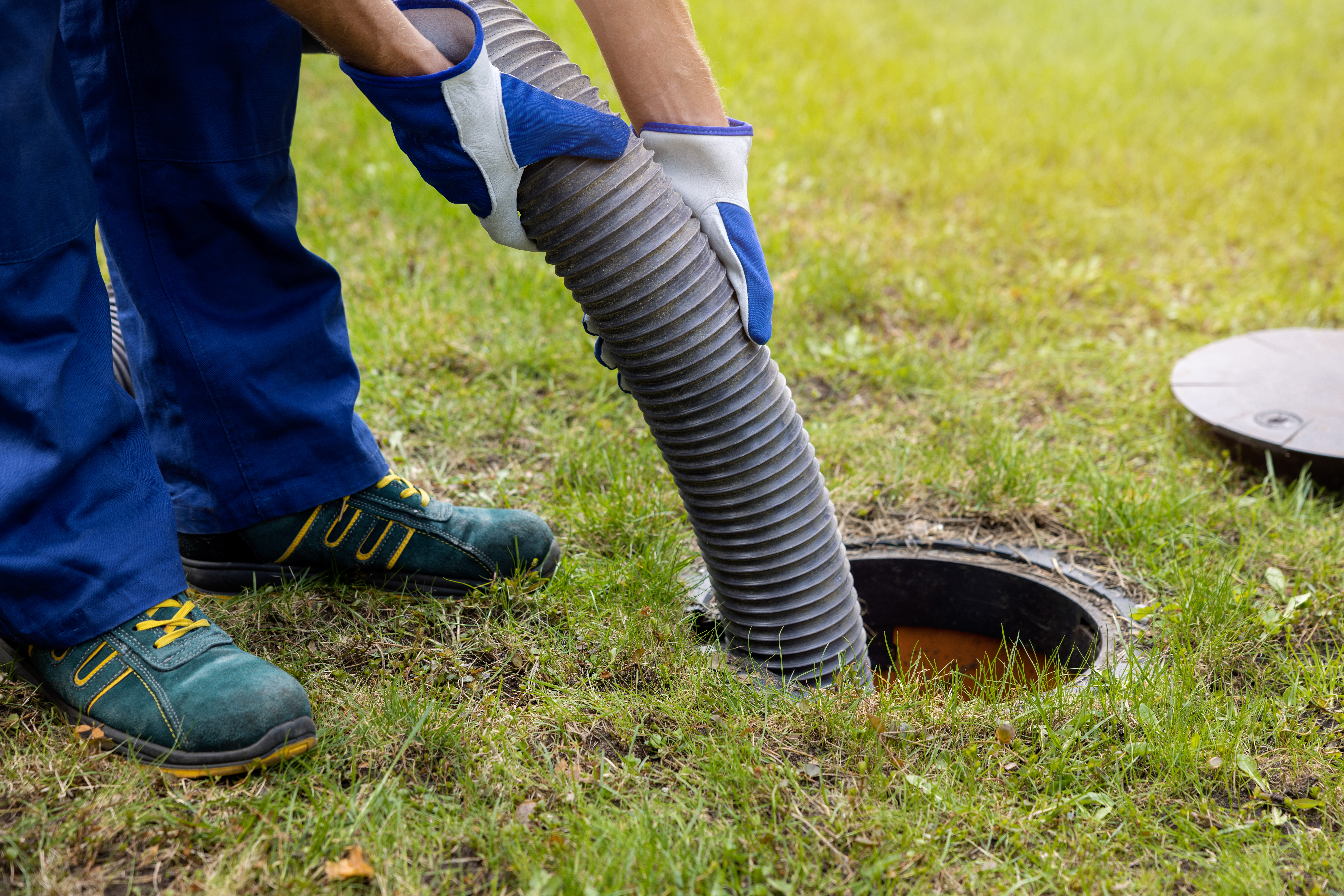
You should pump your septic tank once every two to four years for a family of four, depending on your septic tank size. You should pump a 1,000-gallon septic tank every two years, while a 1,500-gallon tank should be pumped every four years. Water usage also affects how often you should pump your septic tank. If you notice slow drains, foul smells, or gurgling sounds from your drains, you should pump your septic tank as soon as possible.
The average three to four-bedroom home typically uses a well pump rated for 8 to 12 gallons per minute (GPM). To find the most accurate size for your specific needs, a common rule of thumb is to count the number of water fixtures and appliances in your home and aim for that number in GPM. This calculation allows for about one gallon of water per minute per fixture. Because estimating the correct size can be challenging, it's best to have a professional technician make the final determination. A professional can ensure your pump provides sufficient water for your home, especially during peak usage hours.
The Jackson, LA homeowners’ guide to septic tank services
From average costs to expert advice, get all the answers you need to get your job done.
Caring for your septic system is crucial to ensuring its long life. But how much does it cost to pump a septic tank? We explore the different cost factors.
A damaged septic system can leak odors and sewage, so repairs are urgent. Find out how much septic tank repair costs based on repair type, tank size, and more.
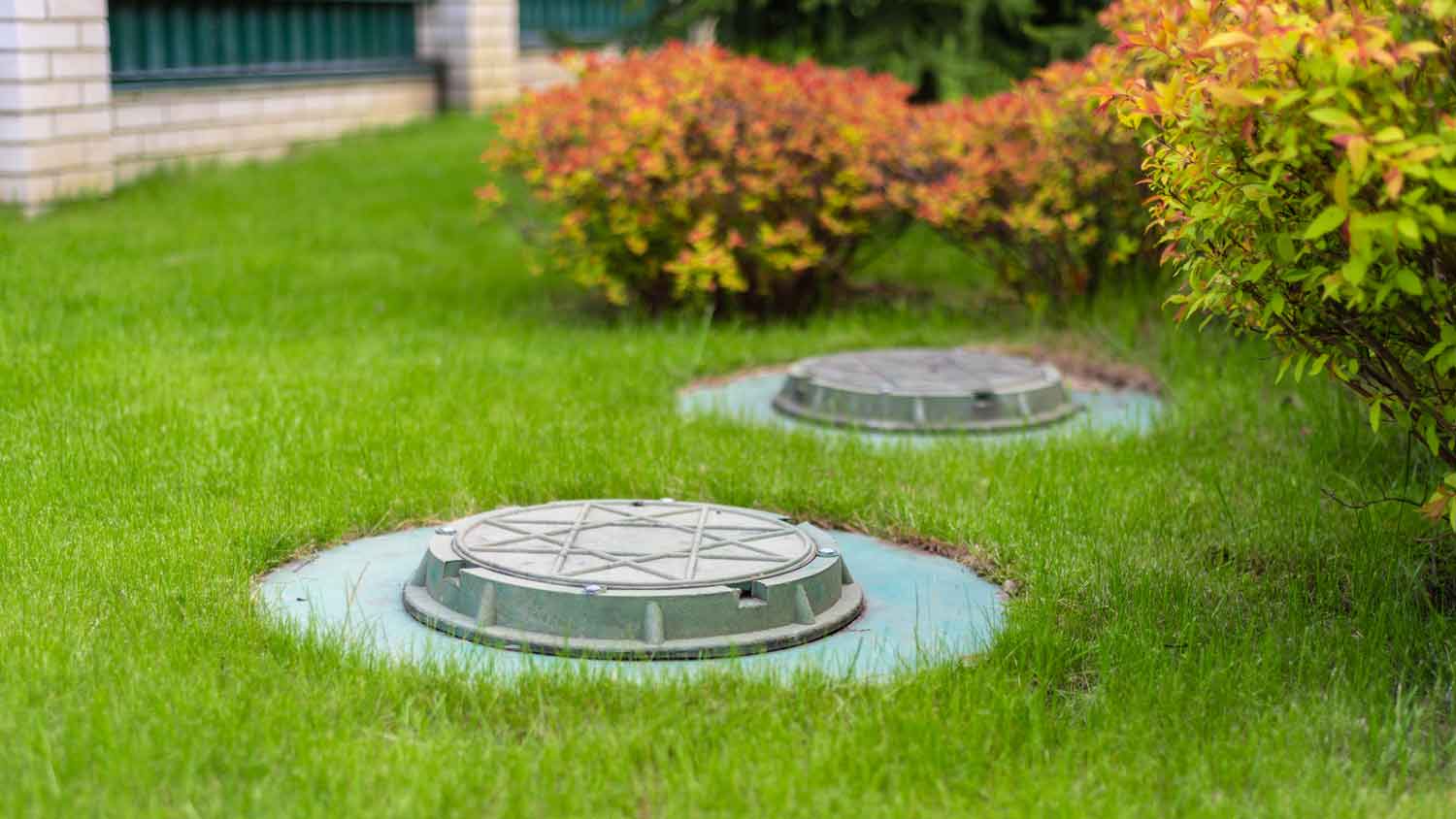
Septic tank risers make it easy to access your septic tank when it’s time for routine inspection, maintenance, and pumping, saving you precious time and labor costs.
Septic tank sizes vary depending on the size of your home, how many people live there, how much water you use, and more. Read on to learn how to determine the right size for you.