







Top-rated septic tank pros.

Get matched with top septic tank pros in Charenton, LA

Enter your zip and get matched with up to 5 pros

Need a pro for your septic tank service project in Charenton, LA?

Select your specific project to find the pro for you.

Find Septic tank pros in Charenton

Avatar for American Home Shield – Home Warranty
American Home Shield – Home Warranty
3.5(
5,688
)
Septic System - Install or ReplaceSeptic System - Install or Replace - For BusinessSeptic System - Repair+3 more

Serving Charenton, LA and surrounding areas

In business since 1971

Credit card accepted

"I just pay $75 you never know who's going to come out. They do everything electrical. Just about everything is covered except the septic tank. I had an air conditioner replaced. It went great, all I had to do was pay for the freon. He didn't charge e more than what was needed."
Additional Photos
Additional Photos
Additional Photos
Additional Photos
Additional Photos

+2

Recommended by65%of homeowners
Septic Tanks questions, answered by experts

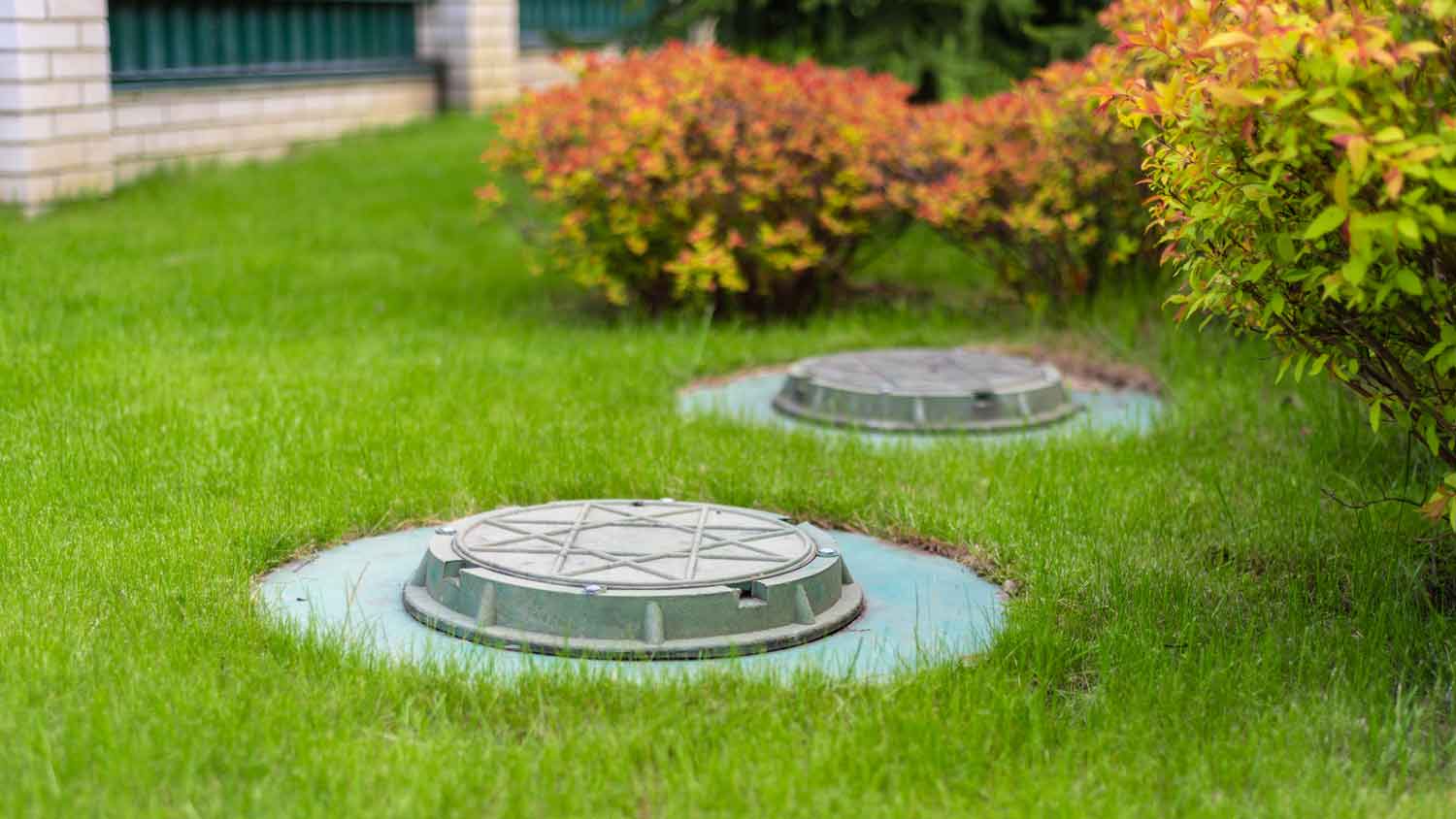
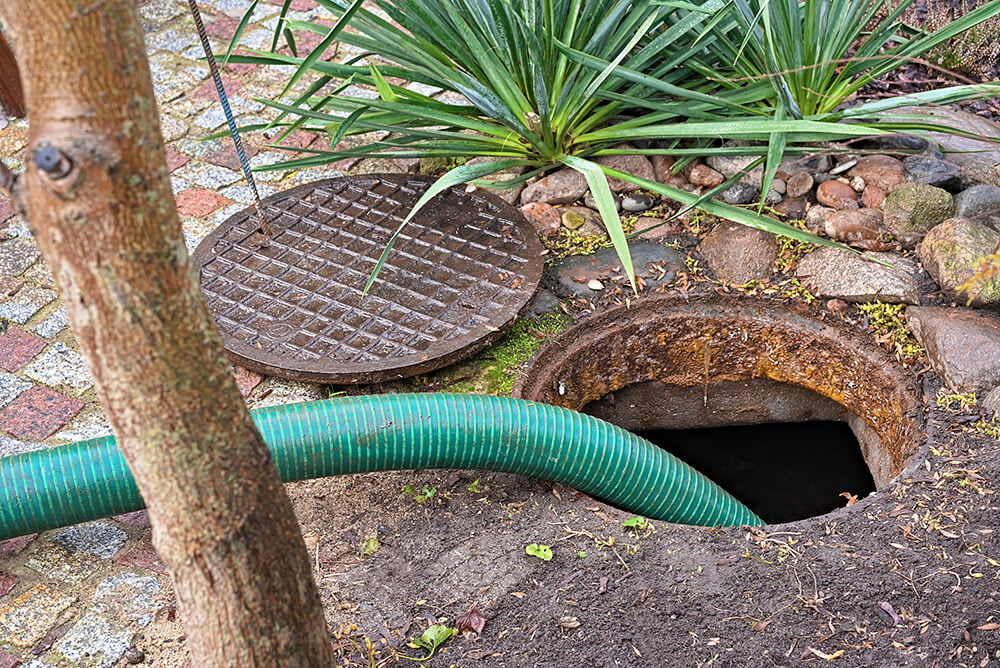
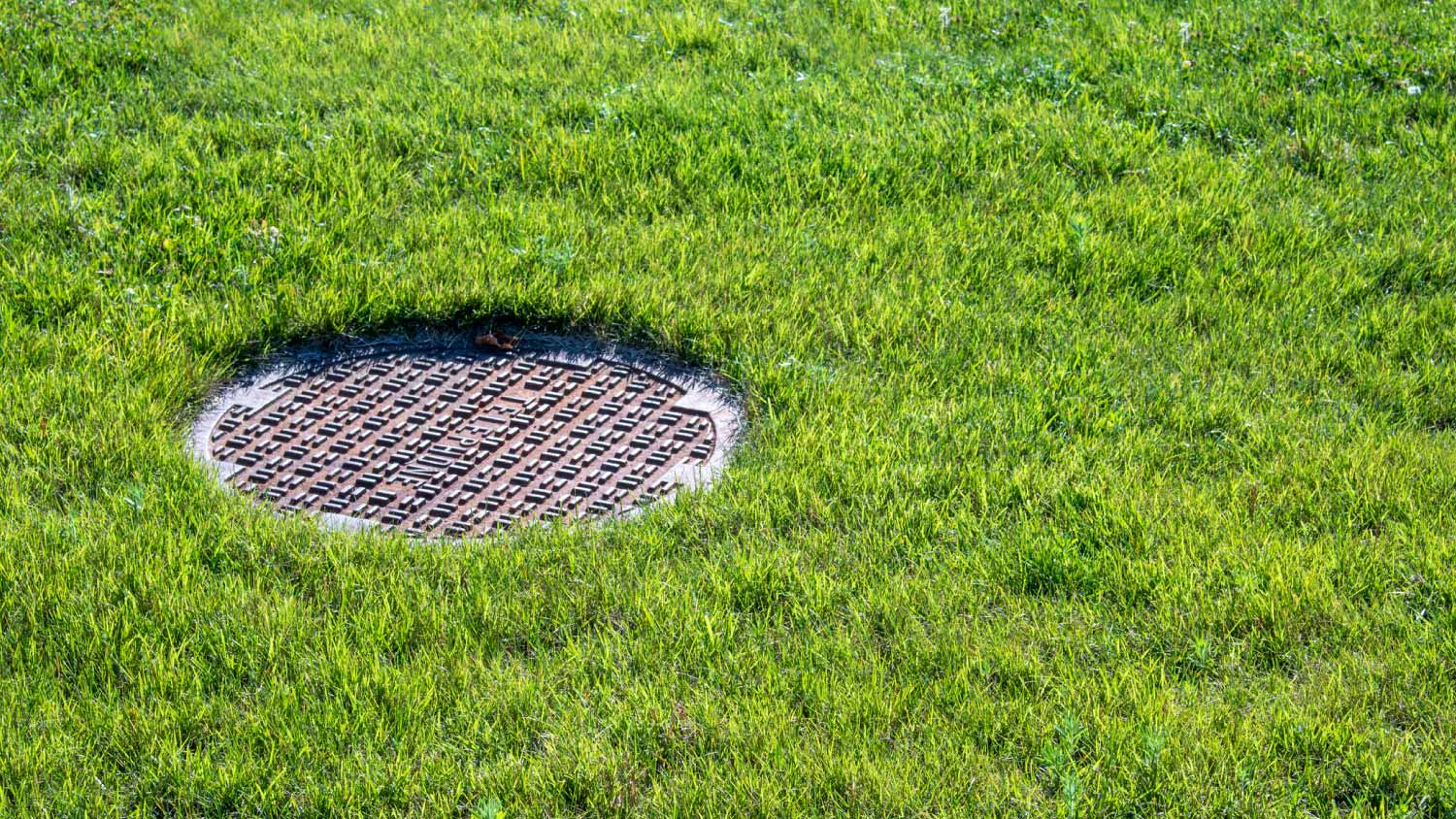
A septic tank lid is often 1 foot underground, but it could be just 4 inches from the surface or 4 feet deep. For septic tank lids that are closer to the surface, you’ll have an easier time locating them just by looking for signs in the yard or using a metal probe. But for septic tanks that are buried deeper underground, you’ll need to hire a pro with specialized equipment to track down the lid without risk of damaging utility lines.

There is no standard depth for burying a septic tank; they are typically buried anywhere from 4 inches to 4 feet underground. The final depth depends on several factors, including the depth of your main sewer line, the height of the bedrock, soil type, local regulations, and the property's landscape. If you plan to grow grass or plants over the tank, a depth of at least 4 to 6 inches is recommended. Deeper tanks can be more difficult to locate, but a septic professional can help find it for you.

With regular servicing and general upkeep, both a well pump and pressure tank can last for years. The average lifespan of a well pump is around eight to 15 years. A well pressure tank can last from seven to 10 years. How long a well pump and pressure tank lasts also depends on a variety of factors such as type, size, material, and brand.

Because well water is not artificially filtered or pre-treated, it may contain contaminants. As a result, it’s possible for well water to damage pipes based on what is in the water. Well water can be corrosive, slowly rusting and dissolving pipes, fixtures, and fittings. The corrosion can affect the taste and quality of the drinking water that comes out of the taps in your home. 

While dry wells can be effective for managing rainwater, they have several disadvantages. They can become clogged with sediment, especially after large storms, which reduces their effectiveness and can be difficult to clean. Dry wells are also not suitable for all soil types; they will not function properly in soil with low permeability. Additionally, if a dry well is not large enough to handle the amount of rainfall in your area, it can overflow. For gravity-flow models, the water may disperse very slowly, depending on the well's depth and the soil's permeability.

The Charenton, LA homeowners’ guide to septic tank services

From average costs to expert advice, get all the answers you need to get your job done.