



Top-rated septic tank pros.

Get matched with top septic tank pros in Cade, LA

Enter your zip and get matched with up to 5 pros

Need a pro for your septic tank service project in Cade, LA?

Select your specific project to find the pro for you.

Find Septic tank pros in Cade

Septic Tanks questions, answered by experts

Most homeowners know there’s a septic system problem when they can smell one. However, this isn’t exactly a scientific deduction method. Consider some of the other signs: standing water or constantly damp earth in the drainage area, toilets and sinks that won’t drain or frequently back up, and loud plumbing. You really need to be on top of routine maintenance with septic systems in order to avoid such unpleasant symptoms of a septic issue. 

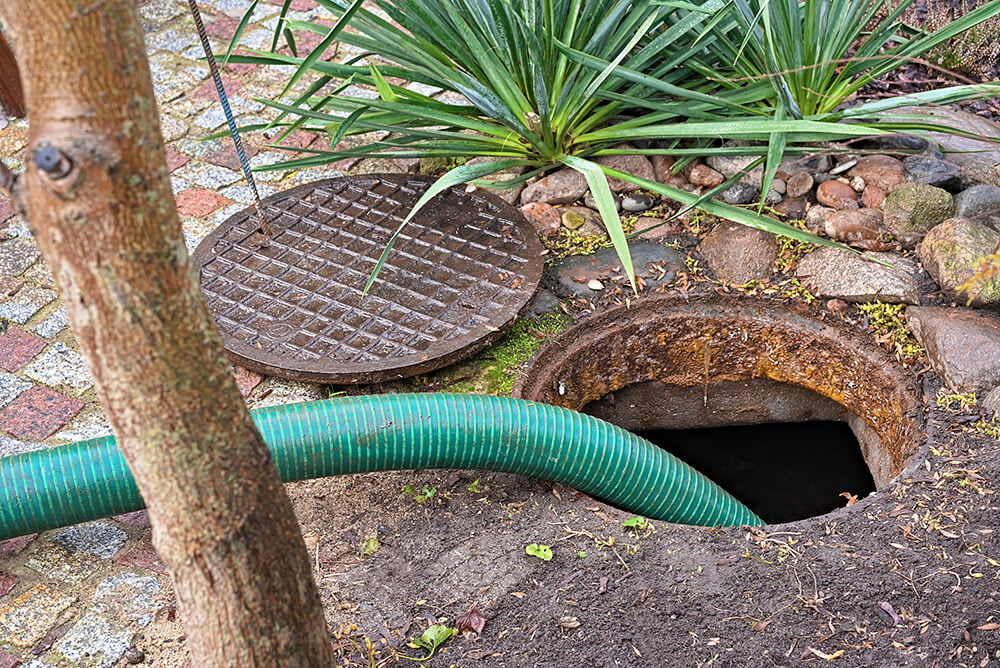
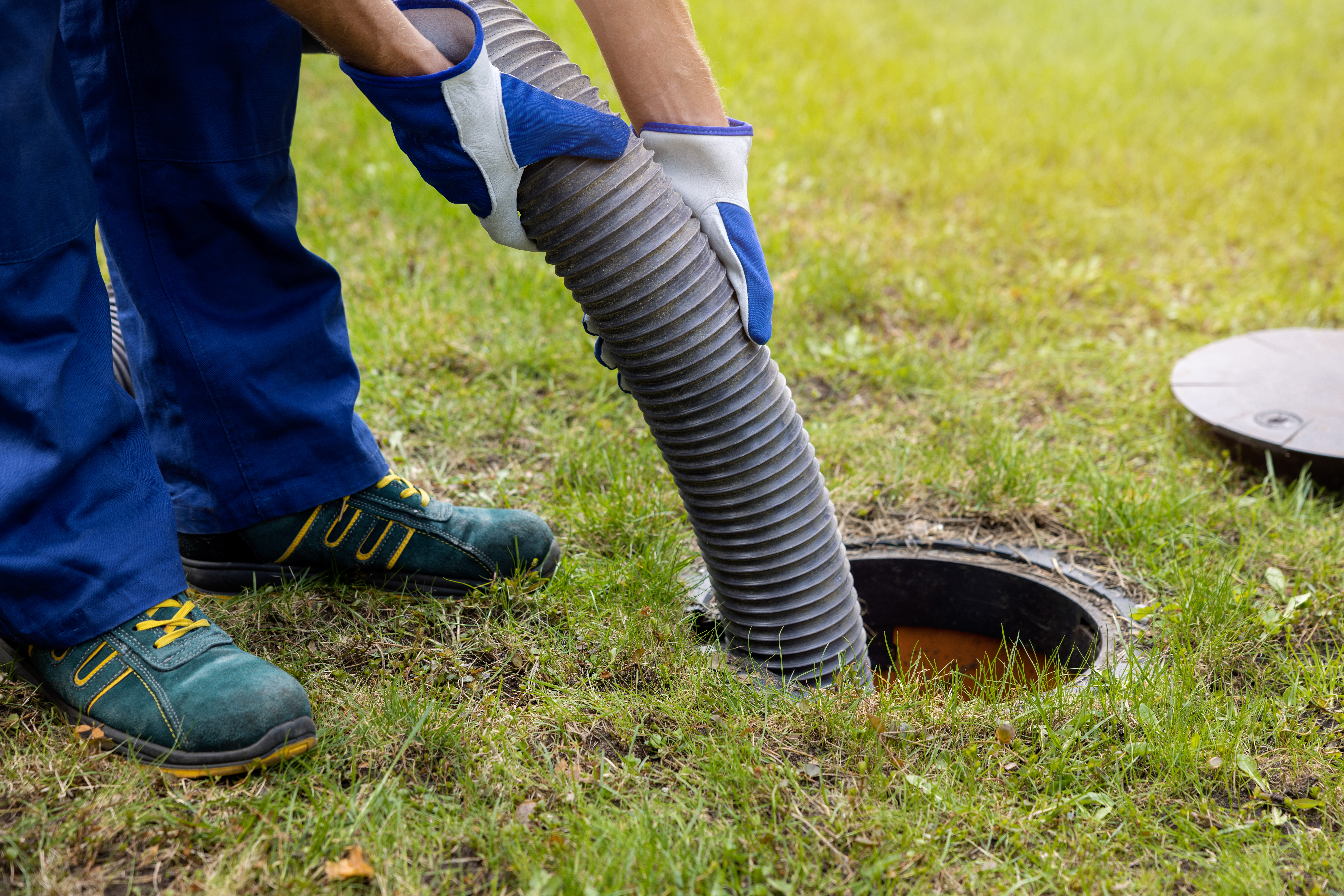
With proper maintenance, most types of septic systems—including mound, evapotranspiration, and constructed wetland systems—can last up to 40 years. To keep your system running as long as possible, follow basic septic tank upkeep guidelines, like pumping your septic tank every three to five years and only flushing human waste and toilet paper.

A septic system's lifespan typically ranges from 15 to 40 years, with a common average of 20 to 30 years. The longevity heavily depends on the tank's material, maintenance diligence, and usage habits. With proper care, lifespans can reach the upper end of this range.

Lifespan by Tank Material:

  • Concrete: 20 to 40 years

  • Plastic or Fiberglass: 30 to 40 years

  • Steel: 15 to 20 years

To maximize your system's lifespan, follow these maintenance best practices:

  • Regular Pumping and Inspections: Have the tank pumped every three to five years and schedule professional inspections regularly.

  • Mindful Usage: Only flush human waste and toilet paper. Avoid putting items like cat litter, paper towels, cigarette butts, fats, grease, oils, or coffee grounds down your drains.

  • Avoid Chemicals: Do not pour harsh chemicals into the system.

  • Water Conservation: Reduce the amount of wastewater your system has to process.

  • Protect the Drain Field: Avoid driving or building heavy structures over the drain field area.

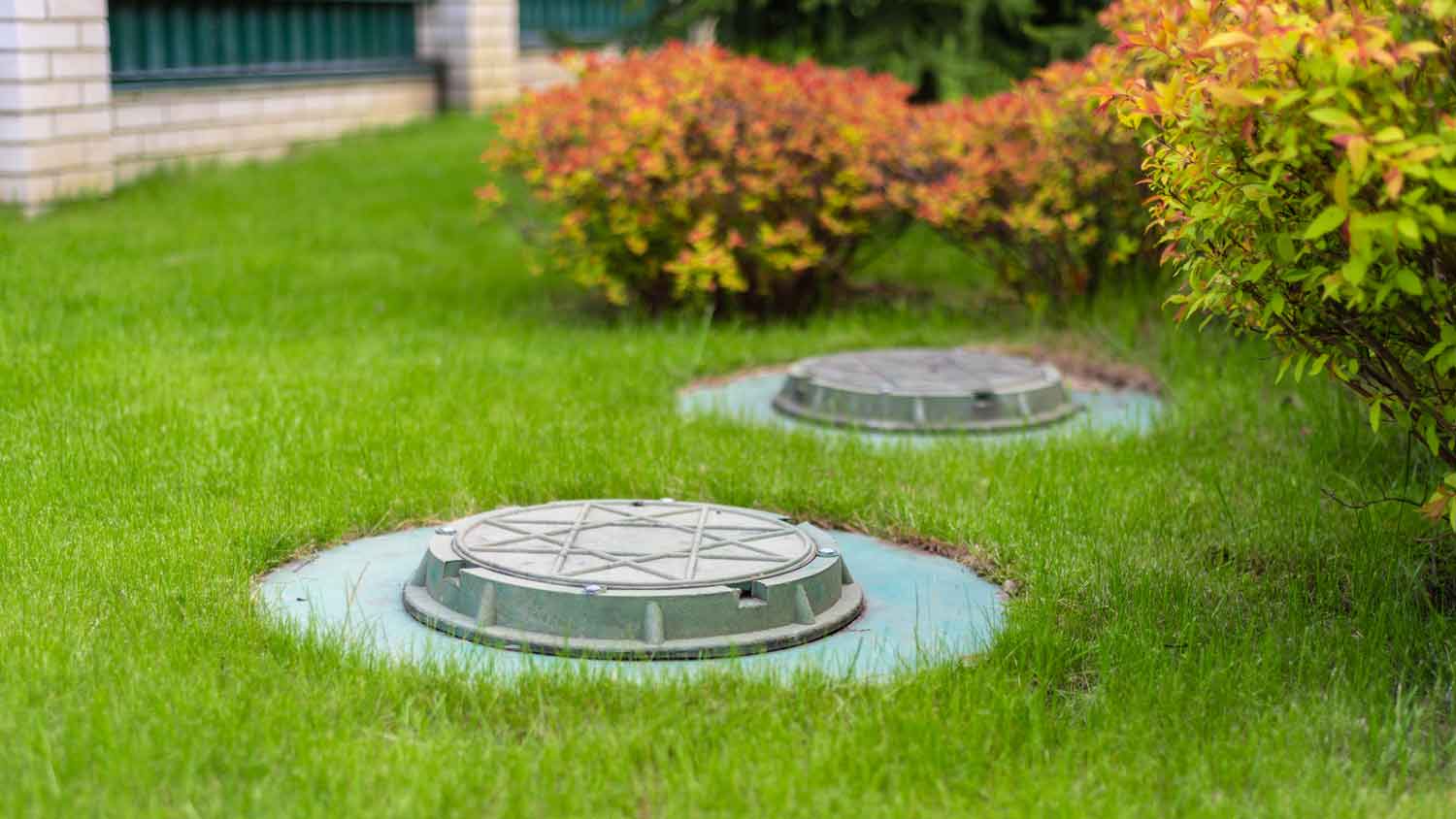
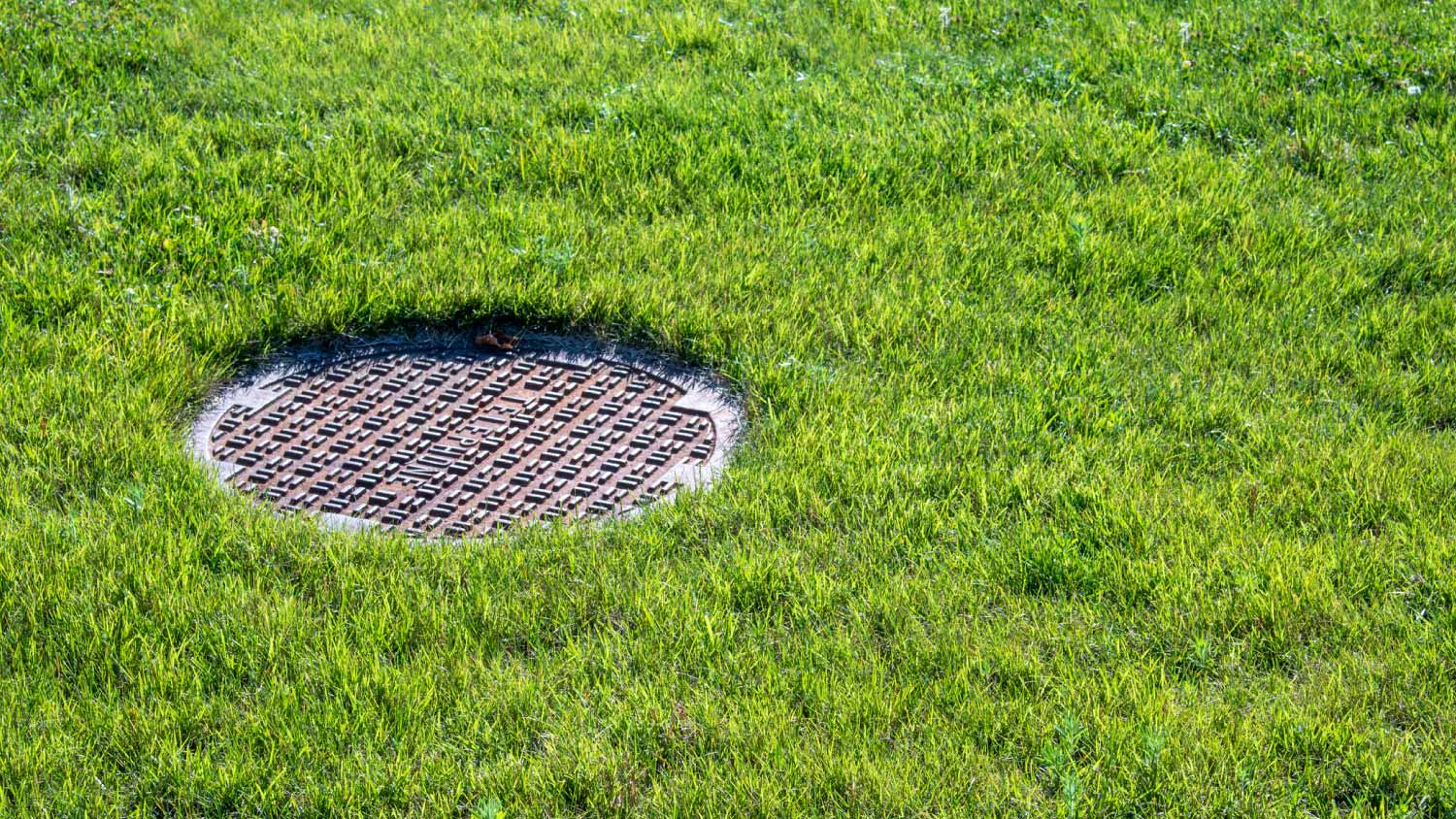
A septic tank is an underground container that collects and holds wastewater until it’s sufficiently filtered and broken down. It treats wastewater by separating waste so the leftover liquid can travel into the drainfield where the soil and gravel eventually filter and purify it. This process naturally eliminates bacteria, viruses, and other contaminants.

Costs depend on tank accessibility, size, and local rates. Regular service serves as preventive care, averting costly emergency repairs or system replacements.

The Cade, LA homeowners’ guide to septic tank services

From average costs to expert advice, get all the answers you need to get your job done.