








Top-rated septic tank pros.

Get matched with top septic tank pros in Berwick, LA

Enter your zip and get matched with up to 5 pros

Need a pro for your septic tank service project in Berwick, LA?

Select your specific project to find the pro for you.

Find Septic tank pros in Berwick

Septic Tanks questions, answered by experts

There are a couple of ways you can determine the depth of your well. One method is to use a device called a well sounder. This tool has a long measuring tape containing a sensor to alert you once the end reaches the water. 

Or you can DIY it by using a long tape measure with a half-filled bottle of water attached to it. Lower the tape measure into your well. Once you feel tension on the tape, you’ll know the bottle has reached your static water level. This will give you an approximate idea of your well’s depth.

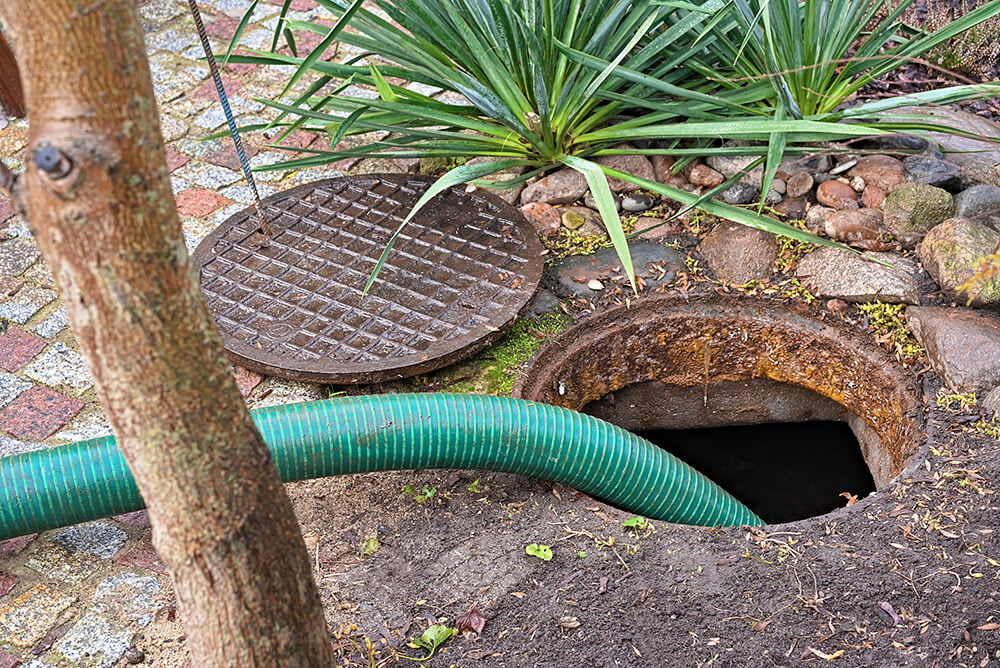
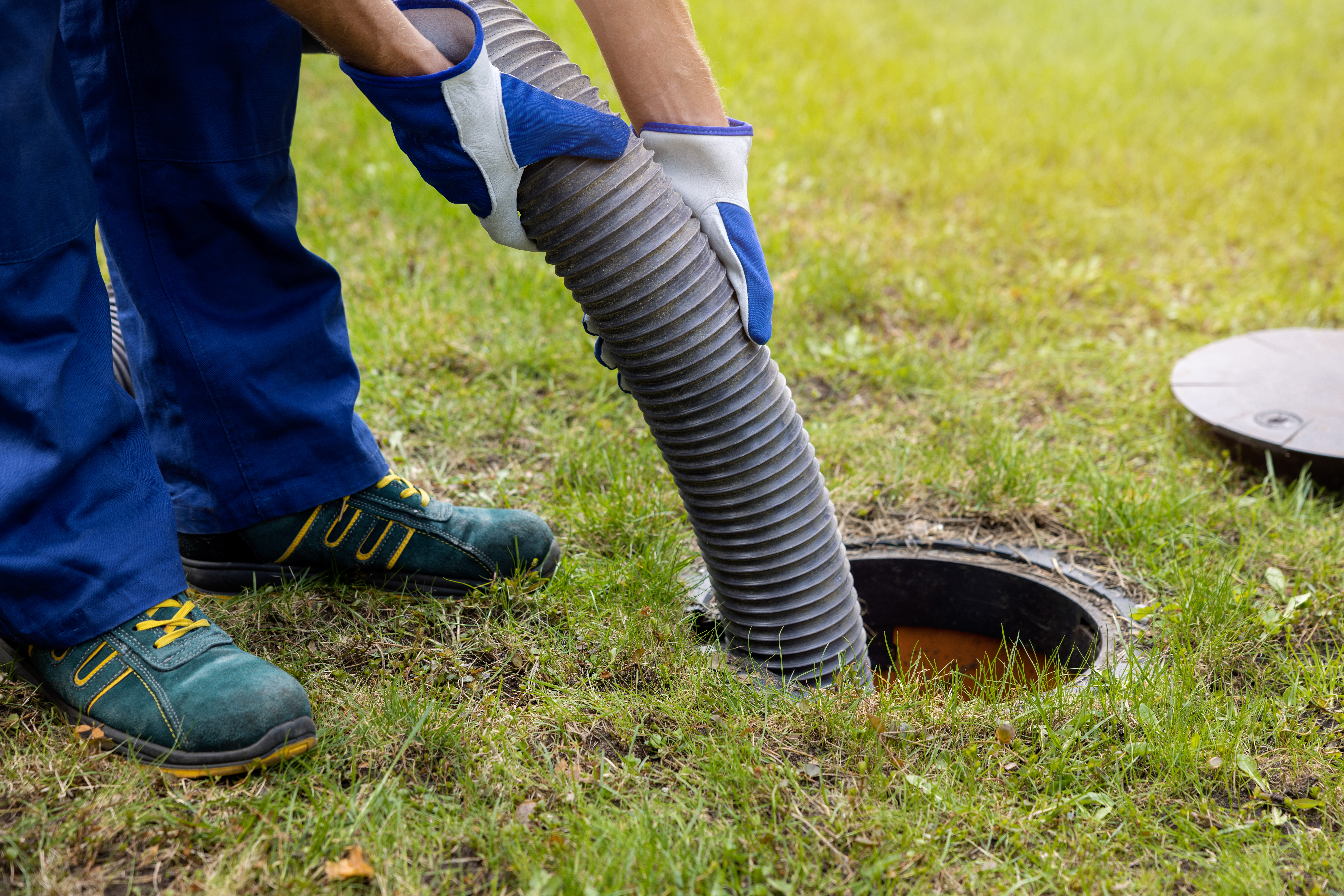
Over time, your septic tank can accumulate a buildup of sludge at the bottom of the tank. If left unpumped and uncleaned, the sludge will back up into your pipes and home, causing failure and extensive (and smelly) damage. Repairs to your septic system can be costly, which is why regular maintenance is required. It takes about 30 minutes to pump a septic tank that’s 1,250 gallons or less or 1 hour for larger varieties.

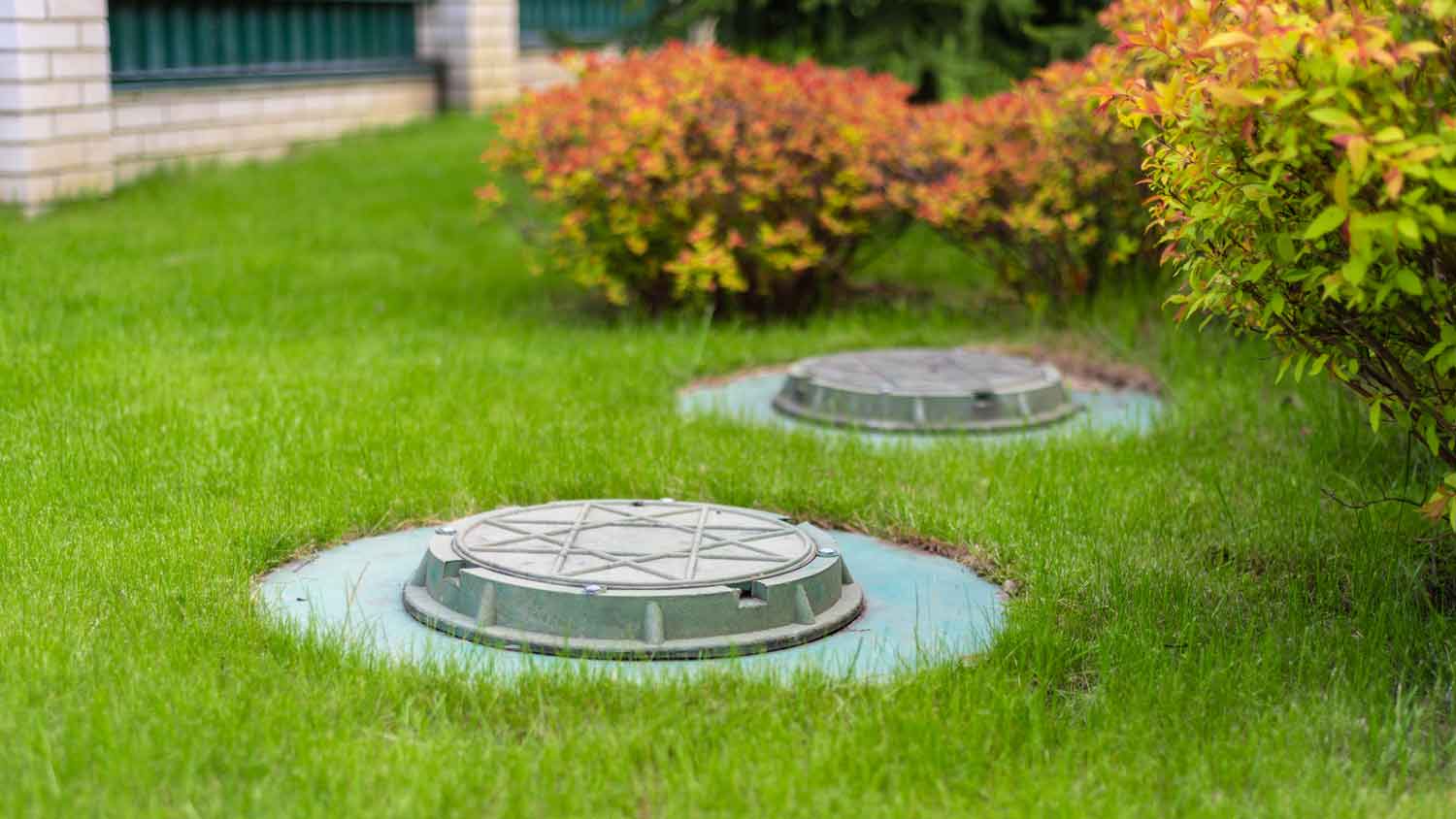
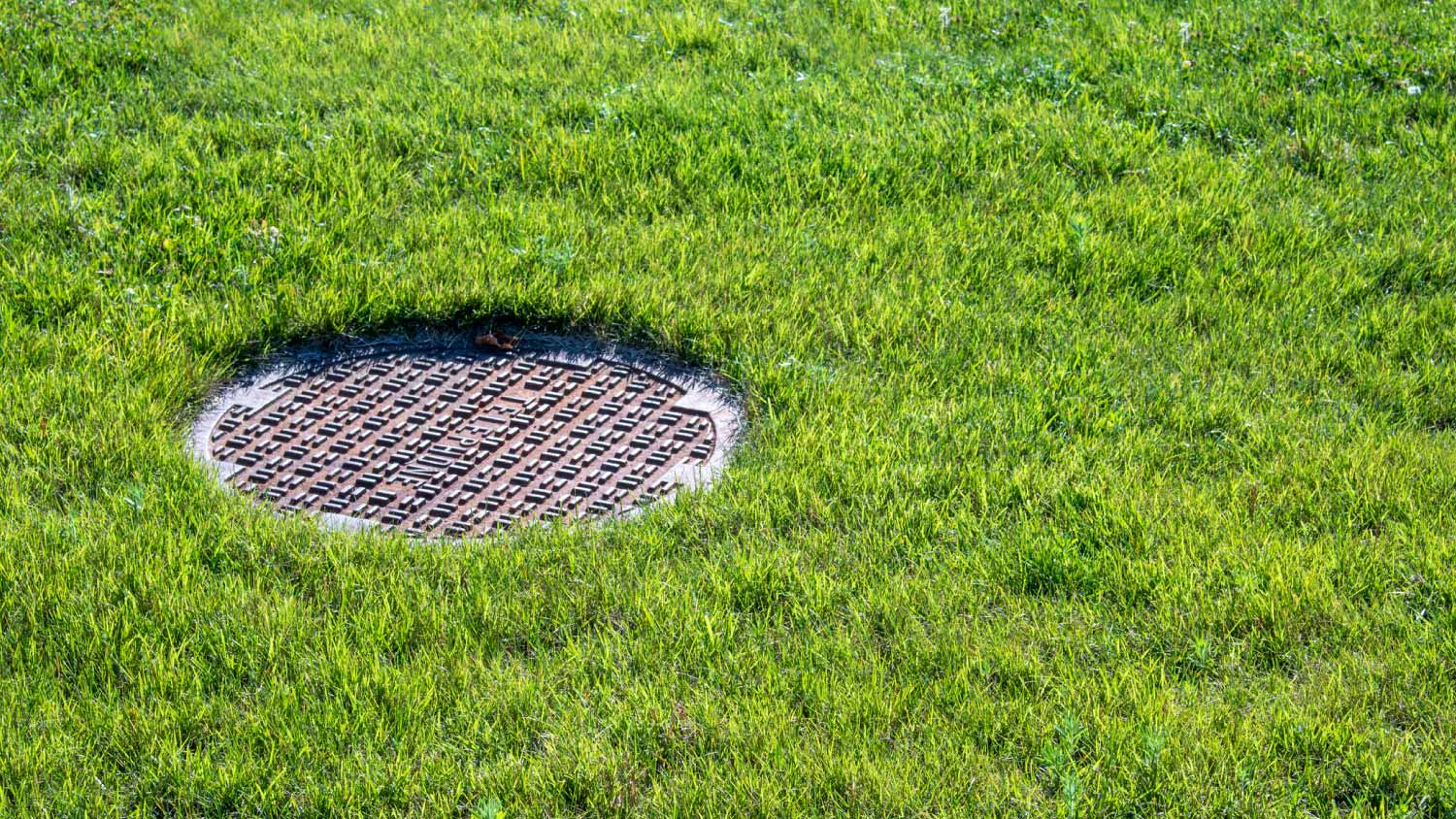
A septic tank lid is often 1 foot underground, but it could be just 4 inches from the surface or 4 feet deep. For septic tank lids that are closer to the surface, you’ll have an easier time locating them just by looking for signs in the yard or using a metal probe. But for septic tanks that are buried deeper underground, you’ll need to hire a pro with specialized equipment to track down the lid without risk of damaging utility lines.

There are many reasons you may want to extend the depth of an existing well or drill a new, deeper well on your property. A deeper well can tap cleaner water sources—shallow water may contain more contaminants. With a deeper well, you’ll also have an easier time reaching the water table depth (the level at which underground water is found) and can get past tricky soil conditions. 

Plus, if your local building code requires a minimum well depth for safety and environmental standards, you’ll meet the code by digging a deeper well in the first place.

Rainwater doesn't have a direct impact on the amount of water in your well. Instead, the majority of rain runs off into other bodies of water such as streams, rivers, and lakes. These bodies of water may sometimes function as the area’s reservoir and create aquifers, which then help to replenish your well.

The Berwick, LA homeowners’ guide to septic tank services

From average costs to expert advice, get all the answers you need to get your job done.