






Top-rated septic tank pros.

Get matched with top septic tank pros in Patterson, LA

Enter your zip and get matched with up to 5 pros

Need a pro for your septic tank service project in Patterson, LA?

Select your specific project to find the pro for you.

Find Septic tank pros in Patterson

Septic Tanks questions, answered by experts

The disadvantages of having a well include more maintenance, like annual testing and inspections, and high up-front costs to drill a well. Well water is also vulnerable to contamination, which is why keeping up with testing is important if you own a well. When it comes to well water versus city water, well water does offer more independence and is a reliable water source.

The pressure in a well pressure tank should be set 2 to 3 PSI below the pump's cut-on pressure. The cut-on pressure is the lower number in the pressure setting (e.g., the '30' in 30/50 PSI) and is the point at which the pump starts. The cut-out pressure is the higher number, where the pump stops.

For example:

  • If your pressure switch is set to 30/50 PSI, the tank pressure should be 27-28 PSI.

  • If your pressure switch is set to 40/60 PSI, the tank pressure should be 38 PSI.

Common pressure settings for household applications include 20/40, 30/50, and 40/60 PSI. The difference between the cut-on and cut-out pressure is typically 20 PSI.

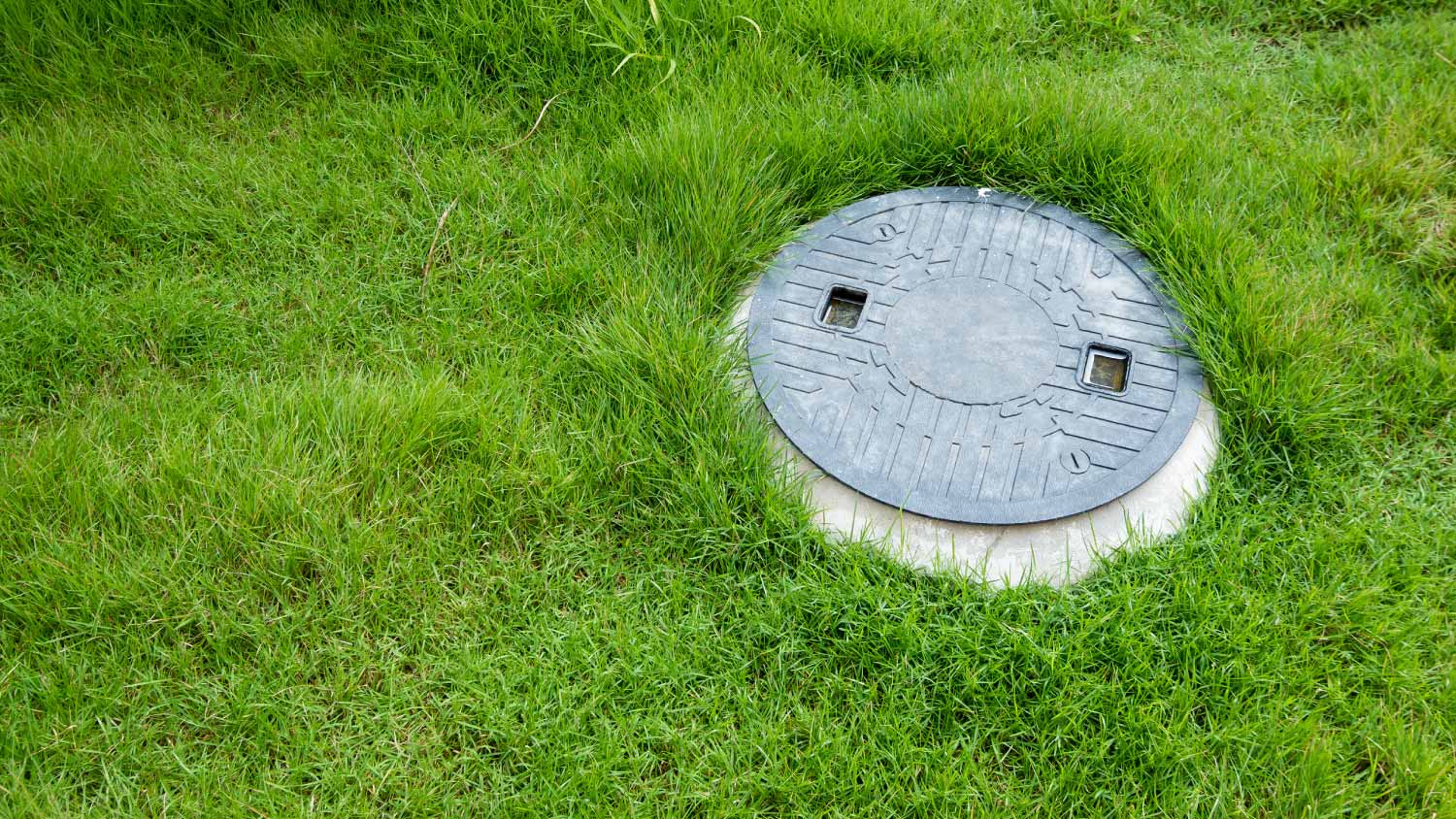
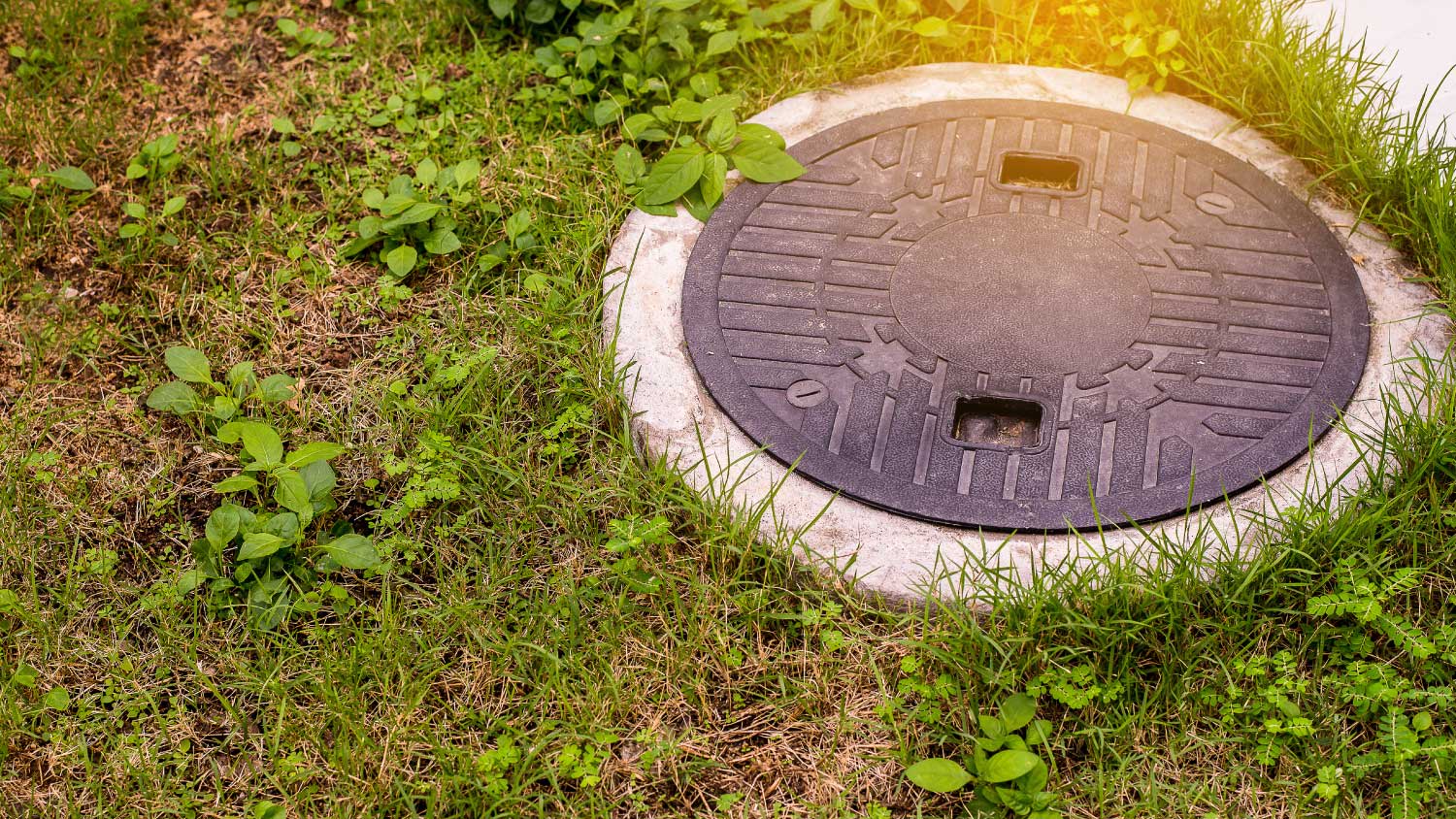
They can if they’re not installed correctly or if the caps or covers were dislodged by a lawn mower or other yard equipment. This is why it pays to hire a reputable septic tank company that’s experienced in septic tank installation and maintenance. You should also check caps and covers often to see that they’re in place and take measures to tighten or secure them, provided it is safe to do so.

Most deep wells can be expected to last somewhere between 30 and 50 years. This assumes that the well and all of its components are properly maintained on a regular basis. During this time, it is unlikely that modern deep wells will run dry over the course of their typical lifespan. That is one of the biggest benefits of digging a deeper well. 

A septic alarm can sound different depending on your system, but often, it’s a loud, repetitive beeping noise or a steady, high-pitched noise. It may also be a loud buzzing noise. To confirm the noise is your septic alarm, check your alarm box for a red light. You can also silence your alarm with a red button or switch on the box. Look for something that says “Test” or “Mute.”

The Patterson, LA homeowners’ guide to septic tank services

From average costs to expert advice, get all the answers you need to get your job done.