




Top-rated electricians.

Get matched with top electricians in Bush, LA

Enter your zip and get matched with up to 5 pros

TRUSTED BY BUSH, LA HOMEOWNERS

  • Average homeowner rating star icon4.7
    Average homeowner rating
  • Verified reviews icon366
    Verified electrical services reviews

Find Electricians in Bush

B Powered Electric
4.7(
26
)

Serving Bush, LA and surrounding areas

Approved

In business since 2011

Free estimates

Emergency services offered

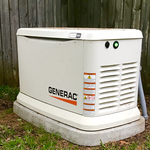
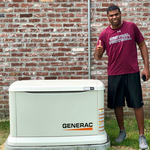
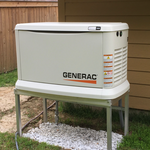
"Getting a whole house generator is a huge investment so I shopped around and got 4 quotes because of the wide range of cost estimates. Other people said the cost "would be around" an amount, and Brandon gave me a detailed exact price. Had people tell me different things about where I could put the generator. Brandon came out and explained everything and said I could put the generator where I wanted it. His crews (electrical, gas) were professional, appeared to know exactly what they were doing, worked efficiently, and left the job site very clean. Brandon provided everything I wanted--he has a long track record of installing generators, has been in business for many years, offered a 10 yr warranty, offers an annual check-up plan, and made sure I was happy with everything."
Response time1 day
19 neighbors recently requested a quote
Recommended by100%of homeowners
Avatar for AccuTemp Services, LLC
AccuTemp Services, LLC
4.8(
158
)

Serving Bush, LA and surrounding areas

Approved (Corporate)

In business since 2005

Free estimates

Emergency services offered

"Joey did an excellent job. He asked questions pertinent to the issue, then evaluated the unit. He dismissed the trouble and made the necessary repair. He then asked if I would like further evaluation, and I accepted that. He advised that although the unit was working, it had some weak issues that could cause trouble, but considering the urgency of the immediate repair and the age of unit and plan for sale, we choose not to do additional repairs. It does make us aware of what else to watch for. Replaced faulty capacitor and checked lithe components of system."
Experts you can trust!
Residential Service
Commercial A/C installation
Plumbing & Drain Services
Main Sewer Line

+13

70 neighbors recently requested a quote
Recommended by88%of homeowners
Avatar for Donohue's Lightning Rods
Donohue's Lightning Rods
4.3(
70
)

Serving Bush, LA and surrounding areas

Approved

In business since 1971

Free estimates

Emergency services offered

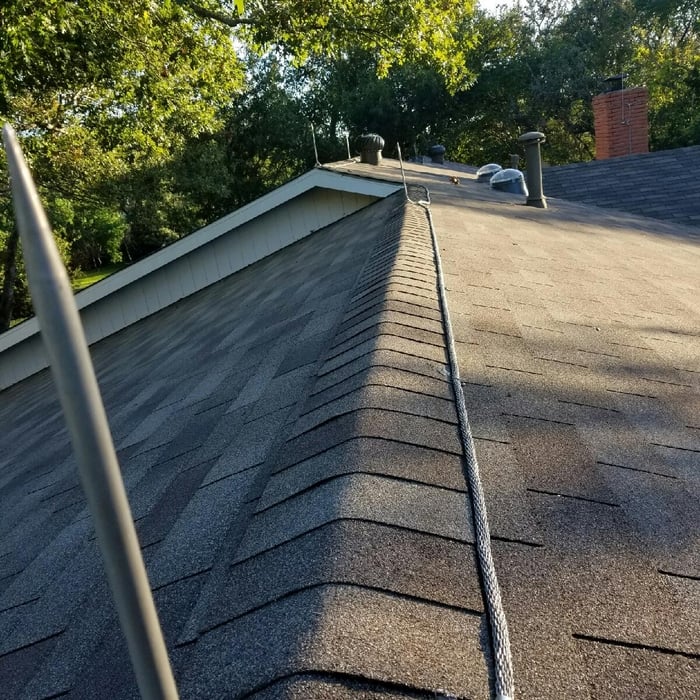
"The man who did the job were awesome. They were very thorough, professional, and speedy. They left our church grounds spotless. I could not recommend them highly enough."
Jobs from the last 3 year
Lightning protection

+10

Response time1 day
89 neighbors recently requested a quote
Recommended by96%of homeowners

...
Showing 1-10 of 290
Electrical questions, answered by experts

Most LED bulbs have a plastic covering, while incandescent bulbs will be made from glass. This is because LED bulbs don’t produce as much heat as incandescent bulbs, so the covering doesn’t need to be as heat resistant. Also, an LED light bulb will usually have a marking on its base that identifies it as an LED.

A water heater is one of the heaviest hitters in your home, and it needs as much power as possible to help it run efficiently and effectively.

Your water heater should be on its own dedicated circuit breaker, with no other power sources running to it. This is required to meet the National Electric Code–and to ensure it runs as efficiently as possible.

As a safety measure, you should always turn off the main breaker while operating your generator’s backup breaker. In addition, you should also switch off all appliance breakers so you don't have a power surge when the main breaker turns back on. And finally, turning off the main breaker prevents back-feeding, which endangers utility workers with the risk of electrocution. Back-feeding could also destroy the electrical circuits of your neighbors if they use the same power network.

Dehumidifiers typically use 300 to 700 watts of electricity per hour, whereas portable dehumidifiers use about 40 watts per hour. The exact amount of electricity your dehumidifier will generate depends on its capacity and energy efficiency. Generally, higher-capacity dehumidifiers generate more electricity than lower-capacity units, but they also usually have better energy efficiency over the long run.

A 3-prong, 15-amp, 120-volt outlet is standard in the U.S. These have two vertical slots and a U-shaped grounding hole, which suits most home electronics, from televisions to microwaves. Three-pronged outlets are safer than 2-pronged ones, as the third wire, known as the grounding wire, helps prevent shocks and electrical fires.

The Bush, LA homeowners’ guide to electrical services

From average costs to expert advice, get all the answers you need to get your job done.