


Top-rated landscapers.

Get matched with top landscapers in Bush, LA

Enter your zip and get matched with up to 5 pros

Need a pro for your landscaping project in Bush, LA?

Select your specific project to find the pro for you.

TRUSTED BY BUSH, LA HOMEOWNERS

  • Average homeowner rating star icon4.4
    Average homeowner rating
  • Verified reviews icon187
    Verified landscaping services reviews

Find Landscapers in Bush

Avatar for The Lawn Guys
The Lawn Guys
4.9(
15
)

Serving Bush, LA and surrounding areas

Approved

In business since 2025

Free estimates

"I am are so grateful for this landscaping company. Their work was excellent, and their kindness and integrity truly stood out. It?s clear they take pride in what they do and serve others with a genuine heart. The attention to the little things makes a huge impact. It?s a blessing to find people who honor their work with such care and professionalism. Highly recommend them to anyone looking for quality and honesty."
Lawn care
Lawn care
Lawn care
Lawn care
5 neighbors recently requested a quote
Avatar for Lawn Peeps
Lawn Peeps
5.0(
5
)

Serving Bush, LA and surrounding areas

Approved

In business since 2024

Free estimates

Credit card accepted

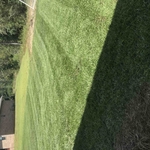
"Lawn Peeps did a wonderful job The technician was so personal leviticus warm and friendly 😀 He got right down to work. My yard looks fabulous the best manicured lawn in the neighborhood Thanks Lawn peeps for your TLC"
Landscaping Project
Landscaping Project
Additional Photos
Additional Photos
Additional Photos

+1

Response time4 days
1 neighbors recently requested a quote
Recommended by80%of homeowners
...
Showing 1-10 of 355
Landscaping questions, answered by experts

A scattering of leaves won’t pose a problem through the winter, but a thicker layer of leaves may not decompose before the first frost and can instead weigh down your grass and harbor mold or fungi. A thick layer of leaves also cuts off light and air that grass needs to grow. That’s why we suggest removing thick leaf layers within several days if possible. If your lawn goes dormant over the winter and snow has already caught up with you, then remove the leaves in early spring before your grass-growing season starts so your lawn can thrive.

The best type of rock for landscaping depends on your specific project and needs, as different rocks are suited for different applications. For covering large areas or creating an affordable driveway, consider gravel, but note that it can wash away in flowing water. For water features, river rocks are a good option. Flagstone and cobblestone are ideal for aesthetically pleasing patios and walkways. If you are building a stone wall, fieldstone or small boulders are up to the task. Large boulders and landscape rocks work well as statement pieces, to fill empty space, or to indicate boundaries, but be mindful that they can overwhelm smaller gardens. The best approach is to first define your landscaping project and then select the rock type that best fits that purpose.

The truth is, there really is no such thing as a 100% deer-proof plant. Deer will decimate even the prickliest flora if they’re hungry enough. However, there are plenty of beautiful plants that deer don’t necessarily enjoy. These include thistles, wisteria vines, sword ferns, and beautyberries.

Deer are herbivores, and they love vegetable gardens as much as Peter Rabbit. If you don’t want to fence in your entire property, consider creating an attractive raised-bed veggie garden with mesh fencing around it to keep out deer and other critters.

The best time to plant is between spring and autumn. Springtime weather is typically mild and is when nurseries start to bloom. When the summer weather arrives and it’s hot out, it’s best to avoid planting bare-root plants, but you can still plant many in-container varieties. The first sign of fall is another great opportunity to plant biennials if you live in southern states, or a lovely vegetable garden up north.

If you are xeriscaping a lawn from scratch, your best bet for preparing the lawn is to work with a xeriscaping specialist in your area. The most common first step to making the transformation, however, will be to remove the turfgrass from your lawn. The subsequent steps will often include amending the soil to support new plants and installing low-drip or drip irrigation systems.

The Bush, LA homeowners’ guide to landscaping services

From average costs to expert advice, get all the answers you need to get your job done.