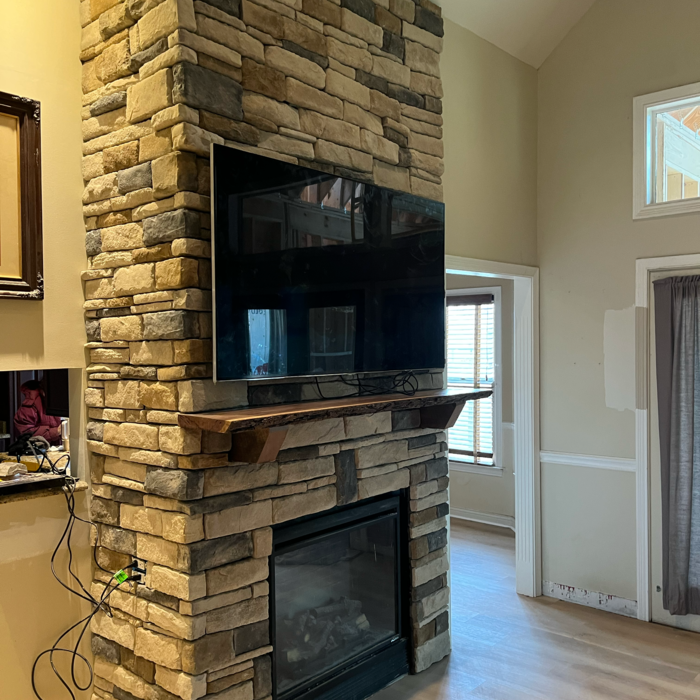
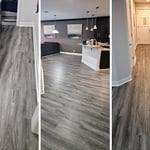
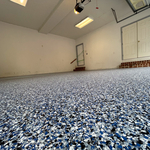
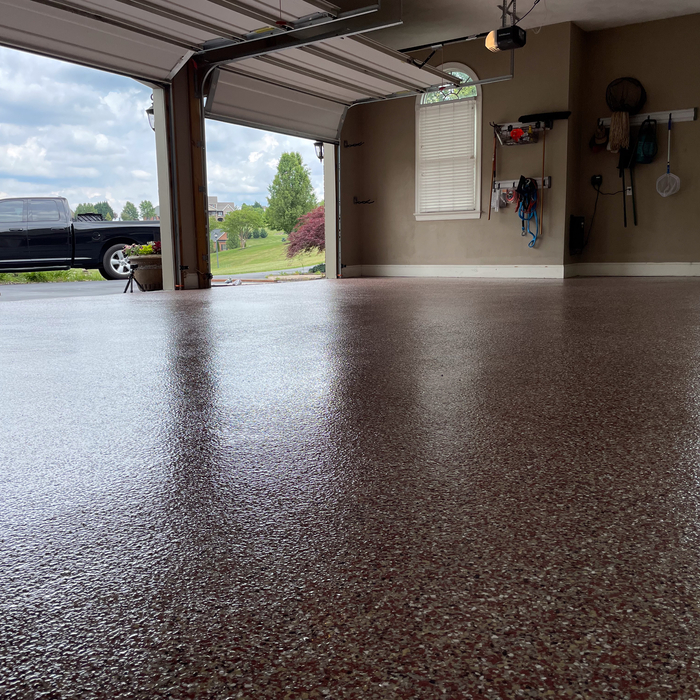
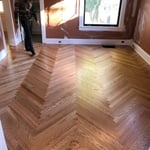
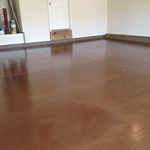
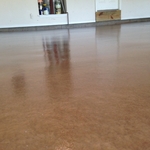
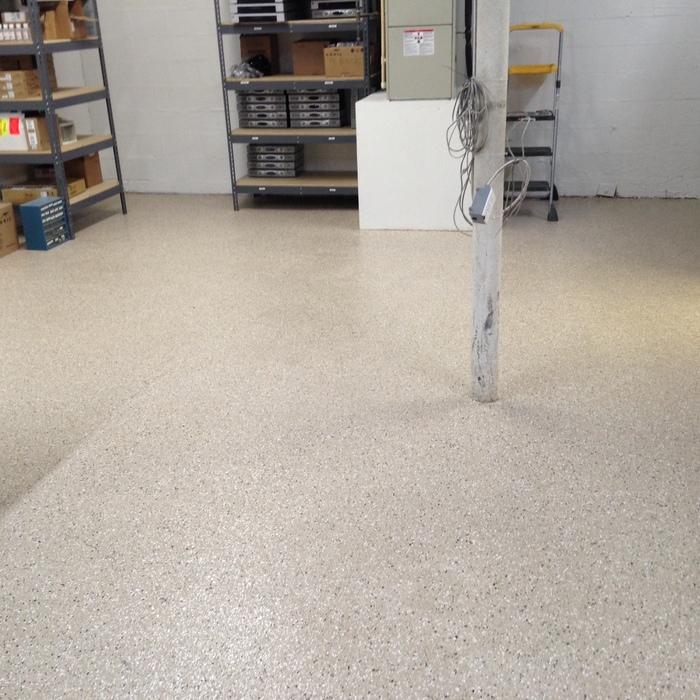
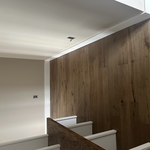
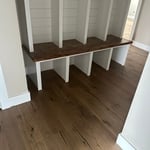
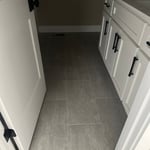
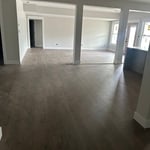
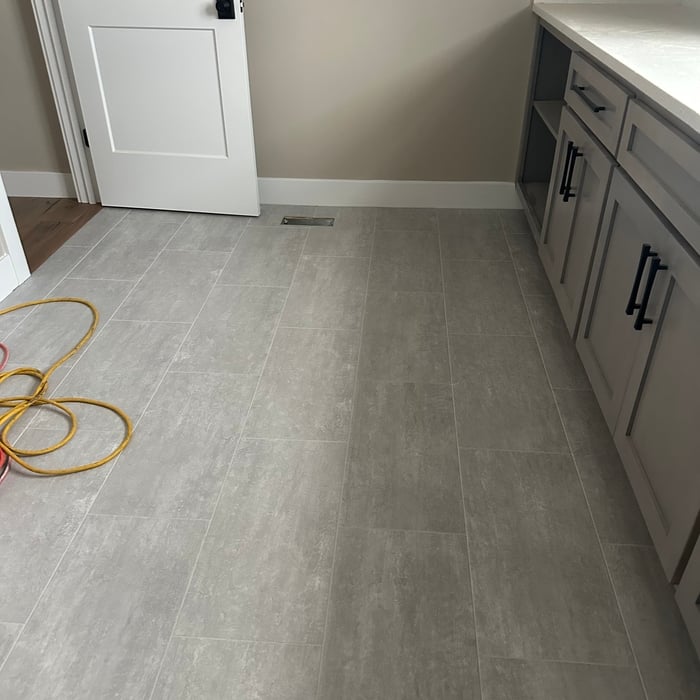
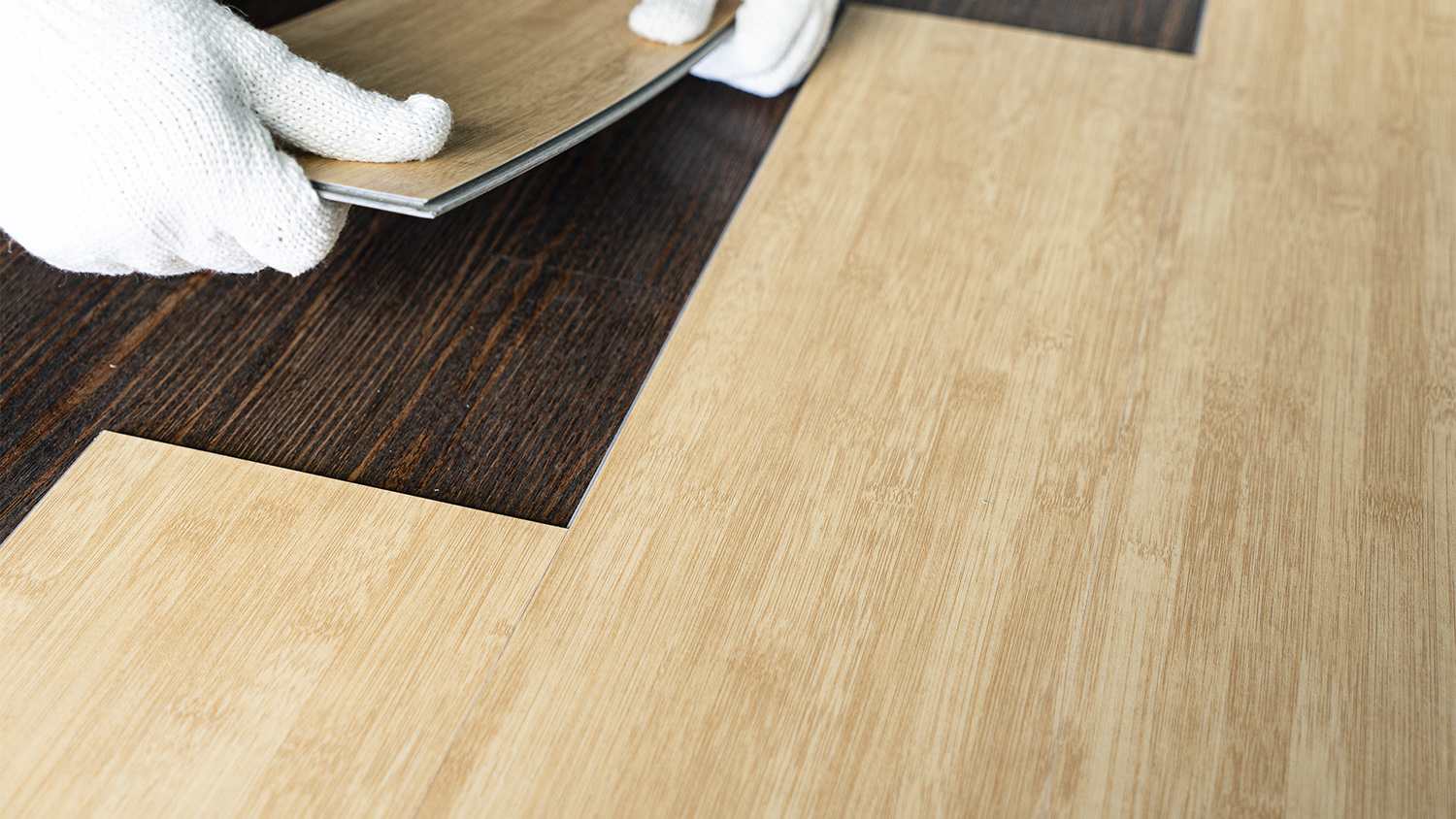
"Rick Blaisdell Flooring is top notch. They did a wonderful job on my basement floor. We went from concrete flooring and installed lvp. He had to put down some self leveling in some places. Everything look beautiful. Will definitely use Rick Blaisdell Flooring for all our flooring needs. Thank you"
"The sales person that came to my house was very knowledgeable took his time and zero pressure I generally do not enjoy dealing with salespeople but I actually enjoyed this process. Matthew was a pleasure to deal with"
CreteCraft Floor Solutions is committed to excellence in every aspect of our business. We uphold a standard of integrity bound by fairness, honesty, and personal responsibility. Our distinction is the quality of service we bring to our customers. Accurate knowledge of our trade combined with ability is what makes us true professionals. Above all, we are watchful of our customers' interests, and make their concerns the basis of our business.
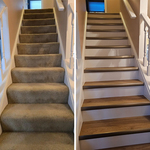
"Footprints Floors Kentucky called to set up our quote promptly and arrived on time. We received our quote very quickly and were able to schedule within a couple of weeks. Pricing was excellent, installers were excellent and everything happened professionally and without delay. Everyone involved with the process was able to answer my questions quickly and efficiently. My house now looks wonderful thanks to their fantastic work."
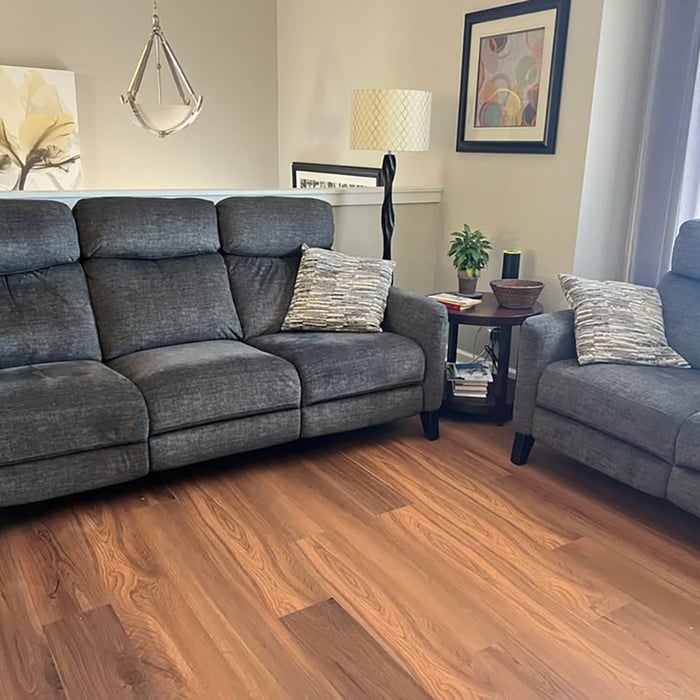
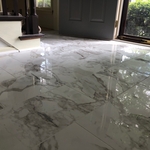
"Thanks to Nate and Ben at Garage Experts we have a beautiful floor transformation. Replacing our laminated and linoleum floors to a marble like finish in our living room, dining room, kitchen, hallway and bathroom. Wow! Can't believe what a big difference it has made in maintenance and clean ups."
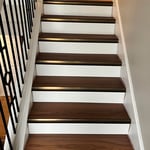
"This company I highly recommend for all your flooring needs. They were very professional and very respectful.The job was completed with perfection,and they were very clean and on time and for the price your not gonna beat these guys.I was very pleased with the final results of my floor and I will recommend this company to all my friends and family"
Flooring Installation questions, answered by experts
The flooring that is the least toxic is solid wood. Natural linoleum, tile, stone, bamboo, and cork flooring also make the list of least-toxic flooring types. These flooring materials are safer and healthier for your home because they are natural materials that aren’t manufactured with chemicals, unlike laminate flooring. While some laminate flooring brands are made with less formaldehyde, many contain high levels of toxic chemicals that can off-gas in your home for months and years after installation.
Choosing natural flooring materials that are easy to clean without chemical cleansers can also help keep your home safer.
Clean with a damp mop, avoid excess water, and use furniture pads to prevent scratches.
The life expectancy of your laminate flooring is 10 to 30 years, depending on how well you maintain it. Unlike hardwood flooring, you cannot refinish laminate to prolong its lifespan. So while laminate is more budget-friendly, it does not last as long as hardwood. You can increase the lifespan of your floor by maintaining a regular cleaning schedule, using the right cleaning products, and wiping up spills promptly.
Whether you install flooring before or after kitchen cabinets depends primarily on the type of flooring you are using. For materials like hardwood, tile, and sheet flooring, the best practice is to install the flooring first. This ensures the cabinets are installed at the correct height and on a stable surface. However, you should not install cabinets on top of floating floors, such as laminate or luxury vinyl plank (LVP). These types of flooring need room to expand and contract with temperature and humidity changes. Placing heavy cabinets on top can restrict this movement, potentially causing the floor to buckle and making the cabinets unstable. For floating floors, install the cabinets first and then lay the flooring up to them. Other reasons to consider installing cabinets before the flooring include saving money on materials (since you won't need flooring under the cabinets) and avoiding potential damage to your new floor during cabinet installation. Additionally, installing cabinets directly on the subfloor might prevent voiding your flooring's warranty.
A subfloor's lifespan can range from 30 years to the entire life of the house, which is often between 50 and 100 years. The actual longevity depends on the material and its protection from damage. For example, while OSB may last longer than plywood, it is not the best choice for heavy flooring like ceramic tile. The most critical factor is moisture; a subfloor that avoids water damage, mold, and termites can last for decades. However, prolonged exposure to moisture will cause it to warp, rot, or grow mold, significantly shortening its life.
The Wilmore, KY homeowners’ guide to flooring services
From average costs to expert advice, get all the answers you need to get your job done.
Looking for a qualified vinyl flooring installer? Learn how to find, vet, and hire the right pro with our complete guide to questions and qualifications.