

If your laminate is damaged, it’s time for repairs or replacement. This guide will show you everything you need to know about laminate floor repair costs.
Flooring costs depend on your project and location. Check with a local pro for your specific job.

Laminate flooring installation costs $1,472 to $4,656, with an average of $2,997, depending on your material choice, room size, and subfloor condition.
The laminate type you select impacts your total, with wood laminate costing less and stone or tile laminate costing more for your project.
Account for the cost of removing old flooring, repairing your subfloor, and purchasing underlay when you create your budget.
Hiring a local laminate flooring installation professional ensures your flooring is installed properly and helps the property retain maximum value.
In 2026, the national average cost for laminate flooring installation is $2,997, based on 10,975 verified projects from Angi Pros. Most homeowners pay between $1,472 and $4,656, with the spread driven by laminate type, room size, and subfloor condition. If you're upgrading to stone or tile laminate or tackling a larger space, costs can climb toward the higher end of that range.
Several key factors shape the final cost of a laminate flooring installation estimate, including material type and thickness, as well as labor and prep work. Below are the costs you'll most likely encounter when a contractor provides a quote for your project.
Laminate flooring installation costs $3 to $13 per square foot on average, with the primary cost driver being the materials, project complexity, and any additional tasks such as subfloor repair. That range reflects labor; for materials alone, expect to pay around $1 to $5 per square foot, though specialized materials or unique patterns push that price higher. Add-ons like scratch-resistant coatings also increase the overall price per square foot. Here's how costs break down by room size:
| Room Size in Feet | Room Size in Square Feet | Average Cost Range in 2026 |
|---|---|---|
| 6x6 | 36 | $110–$470 |
| 8x10 | 80 | $240–$1,040 |
| 10x10 | 100 | $300–$1,300 |
| 8x15 | 120 | $360–$1,560 |
| 12x12 | 144 | $430–$1,870 |
| 12x18 | 216 | $650–$2,810 |
| 16x20 | 320 | $960–$4,160 |
| 16x24 | 384 | $1,150–$4,990 |

Common laminate flooring types vary in appearance and material cost, but none are made from real wood, tile, or stone — each type instead mimics the look of those natural materials. The design is printed onto the image layer of the laminate, which is why the aesthetic possibilities are nearly endless. Here's a look at the most common laminate types and their costs for materials only:
| Laminate Type | Average Cost per Square Foot in 2026 |
|---|---|
| Wood | $1–$3.75 |
| Maple | $2–$6 |
| Red or white oak | $2–$6 |
| Cherry | $3–$7 |
| Acacia | $3–$7 |
| Beech | $3–$7 |
| Walnut | $3–$7 |
| Hickory | $4–$10 |
| Tile | $1.50–$4.75 |
| Stone | $1.75–$4.75 |
Laminate flooring is available in thicknesses ranging from 6 to 12 millimeters, and the right choice depends on your subfloor condition and underlayment. For most installations, 8 millimeters is a reliable option, provided the subfloor is well-maintained and the flooring is properly installed. Thicker laminate tends to be more durable, but you should also check the AC rating to determine where the flooring can be used and how well it will withstand traffic. Here's how cost varies by thickness:
While thicker flooring tends to be more durable, you should also check the AC rating of the materials. The AC rating indicates how durable the flooring is and gives you a better idea of where you can install it. The rating is a numerical value from AC1 through AC6, with AC1 for moderate residential use and AC6 for heavy commercial use.
| Thickness in Millimeters | Average Cost per Square Foot in 2026 |
|---|---|
| 6 | $0.70–$1 |
| 7 | $0.90–$1 |
| 8 | $1–$1.80 |
| 10 | $2–$4 |
| 12 | $2.30–$6 |
Your flooring finish type will really impact the visual aesthetic of your room. Plus, different finishes are more resistant to daily wear and tear. For example, glossy laminate floors tend to scratch and mark easily so they’re best for low-traffic areas that you regularly clean.
On the other hand, scratches and marks don’t show up as much on semi-matte or matte flooring. These two finish types are also popular for wood laminate flooring since they most closely resemble the appearance of real wood.
| Laminate Type | Average Cost per Square Foot in 2026 |
|---|---|
| Matte | $1–$4.40 |
| Semi-matte | $1–$4 |
| Glossy | $1.70–$5.60 |
Once you've chosen the type, thickness, and finish of your laminate floors, the next step is budgeting for installation type, labor, and prep costs. These additional factors can meaningfully affect your total project cost and are worth accounting for before you finalize your estimate.
The type of laminate flooring you choose determines the installation method required, and the two main options differ in cost, difficulty, and durability. Click-lock systems are DIY-friendly and faster to install, while glued laminate requires a professional installer but delivers a more durable result. Here's a comparison of both installation types:
| Type | Average Cost per Square Foot in 2026 |
|---|---|
| Click-lock | $5–$9 |
| Glued laminate | $7–$11 |
Labor accounts for 20% to 50% of your overall laminate flooring project cost, depending on expertise and job complexity, with professional floor installers charging around $2 to $8 per square foot—a price that includes rolling out and taping down underlayment. Removing carpet and other preexisting flooring adds an average hourly rate of $70. A seasoned pro typically takes a full day to remove 200 square feet of carpeting or flooring, bringing that removal cost to $500 to $600, depending on the hourly rate.
If a remodeling job has unexpected expenses, switching to laminate is a great way to stay on budget. It looks very good and is easy to replace down the road.

Additional installation services can add meaningfully to your project's total cost, so it's worth planning for them upfront. In most cases, your subfloor won't need repair or replacement, but your installer will flag it if work is required. Some laminate flooring requires underlay and some does not, so check those details carefully when shopping for materials. Here's a breakdown of common additional installation costs:
| Additional Factor | Average Cost Range in 2026 |
|---|---|
| Removing old flooring | $400–$600 for 200 sq. ft. |
| Subfloor repair or replacement | $400 for 200 sq. ft. |
| Underlay | $30–$60 per roll of 100 sq. ft. |
| Moving furniture | $20–$50 per room |
When installing new flooring over existing, be sure to first check to see if doors can freely swing over the higher floor. If there are several doors that need to be planed or trimmed, it might cost less to remove the old flooring.
When hiring a laminate flooring installer near you, labor makes up 20% to 50% of the total project cost, but it can save you time and avoid mistakes. Learning how to install flooring takes practice, which can result in wasted materials if you attempt this project yourself. Hiring a pro will ensure that the project goes smoothly and the flooring is installed properly.
It takes experience to install a laminate floor the right way, so here's why you should hire a pro:
They can remove old flooring and dispose of it.
Professionals can identify issues with the subfloor and make necessary repairs.
Their experience will make the process of measuring, cutting, and installing the flooring go quickly.
For an additional cost, they can move your furniture and then return it to its original place.
A polished, professional installation lasts longer and potentially increases a home's resale value.
While it's best to trust a pro with laminate flooring installation, you can make the process easier by taking on some DIYable tasks:
Move all of the furniture out of the room
Dispose of old flooring
Remove nails, staples, or glue from the subfloor
Take off the baseboards
Clear a path from the home's entrance to where the flooring will be installed
Lay down plastic or mats to protect other floors
When ordering flooring materials, first measure the square footage of the floor space. You may need to add an extra 10% for wastage during the installation process. A flooring pro can provide guidance for more challenging layouts or stairs.

There are pros and cons to installing laminate flooring in your home. Here’s everything you need to make a final decision, especially if you’re debating installing laminate versus hardwood.
Budget-friendly: Laminate is one of the most inexpensive flooring types, much less expensive than hardwood. Laminate flooring costs around $3–$13 per sq. ft., and hardwood flooring installation costs around $6–$25 per sq. ft.
Design options: This material has come a long way, so the aesthetic options are nearly infinite.
Durable: Laminate can resist scratches, stains, and even impact from items like furniture.
Easy to clean and install: Cleaning laminate is less involved than cleaning hardwood. As a bonus, it’s also fairly easy to install.
Can’t be refinished: Due to the nature of the material, laminate can’t be sanded or refinished like other flooring materials. It must be replaced when damaged.
Doesn’t resist moisture: Though laminate is durable, it can succumb to excessive moisture. If left exposed, the material will eventually swell. This makes it a no-go for bathrooms.
Noisy: This material is rigid and is typically installed directly on the subfloor. This means it makes a whole lot of noise when people walk over it.

Putting in new flooring, no matter the type, is a costly enterprise. However, there are some ways to help you save money while still ensuring the job gets done right.
DIY the small stuff: There are some easy things to do on your own to cut down on that hourly contractor rate. Move furniture to a room that isn’t getting new flooring. Prepare the subfloor by removing glue, nails, and anything else. Remove the baseboards ahead of time. All of this prep work combines to save at least two hours of labor, which is around $140.
Remove the old flooring yourself: On a similar note, remove the old flooring yourself to save even more money. This is a relatively simple task. It’s easier to destroy, after all, than to create. Remember to tell your pro you’re doing it yourself and check the final invoice to make sure it wasn’t accidentally tacked on.
Research, research, research: There’s no such thing as too much research when hiring a flooring contractor. Find a budget-friendly company near you with plenty of positive reviews.
Gather many estimates: It’s generally a good idea to gather a few quotes before settling on a contractor. This allows you to comparison shop and puts you in a better position to strike a bargain. Start with three estimates and move on from there.
Remember the seasons: As previously mentioned, fall is the most expensive time to take on any home improvement project, including floor installations. Prices start dropping after the holidays, right at the end of winter.
Ask your pro for recommendations for flooring based on your needs, style, and the amount of foot traffic in your home.
Be prepared to go over your budget to determine the best type of laminate flooring for your project.
Measure the space ahead of time, so you will know how much flooring you need and can better understand the pro’s material and labor estimates.
Ask about the project timeline, so you know how long you'll have to avoid walking on the flooring.
Home is the most important place on earth, which is why Angi has helped more than 150 million homeowners transform their houses into homes they adore. To help homeowners with their next project, Angi provides readers with the most accurate cost data and upholds strict editorial standards. We’ve surveyed over 10,000 real Angi customers about their project costs to develop the pricing data you see, so you can make the best decisions for you and your home. We pair this data with research from reputable sources, including the U.S. Bureau of Labor Statistics, academic journals, market studies, and interviews with industry experts—all to ensure our prices reflect real-world projects.
Want to help us improve our cost data? Send us a recent project quote to [email protected]. Quotes and personal information will not be shared publicly.
If you’re good people wanting to do business with good people, hire Matt. He is a consummate professional and utterly competent. He installed a water heater in my home at a price that beat competitors by hundreds of dollars with a promise to support the unit for its life (even after its 6 yr...
 Greene's Plumbing Services
Joseph did a great job with the staircase and trim. Timely and efficient, clear communication about the work, very fair pricing. For the stairs in particular, done very skillfully in an old house (1893) in a tight spiral, and very creative with how to do the handrail. Did a nice job with...
 Vouis Trim Carpentry L.L.C.
This company does it right. Firstly, I want to say that Landan was a joy to work with. He was so kind, transparent, and had everything under control. His entire team showed up ready to work and they were all very respectful of the fact that we were in an office space. A little backstory – we...
 Krumlauf Floors
Finished Basements Plus was wonderful from beginning to end! First, they came out quickly for an estimate. I had 4 estimates and theirs was by far the best. (2 of the estimates were more than $20K higher than for the exact same work). Beyond their fair pricing, the work was excellent. They...
 Finished Basements Plus Inc.
Very professional, knowledgeable and helpful! Completed the install on time and as expected.
 Ward's Services
Cole has been handling plumbing and general contracting for our four properties over the past three years, and he’s always done a great job. Most recently, he installed a sink and countertop in our retail store where none existed before, and it turned out exactly how we needed. He’s...
 ANB Renovations LLC
Excellent, Prompt, Courteous Service!!! They were super friendly and quite personable. I felt very comfortable with the gentlemen that did the installation. They installed it exactly where I asked them to and they did an excellent job!! I loved their service so much.
 Tether House
Window Depot did an amazing job installing the windows in my basement! The process from start to finish was by far more than what I expected. I would highly recommend Window Depot if you want professionalism from the the consultation to the installation. Dont settle for mediocre when you can...
 Window Depot USA of Central Ohio
AFS was excellent from start to finish. Jess, the sales associate, was fantastic...very knowledgeable and very professional. The installation crew was excellent. I couldn't be more pleased with the process. Best of all, my new floor looks fantastic!
 America's Floor Source
We were having 2”x 2” tile installed . There was a small installation error and the new additional replacement tile was from a different lot and the colors didn’t match. Joe assured us that he would rectify everything , which he did without hesitation. We decided to go with the 18” x 36” tile...
 CarifaTile
From average costs to expert advice, get all the answers you need to get your job done.
If your laminate is damaged, it’s time for repairs or replacement. This guide will show you everything you need to know about laminate floor repair costs.
Most people wrap floor removal into a larger project, but the itemized cost to remove laminate flooring depends on the size and state of the floor.

The cost to rip up carpets and install laminate depends on factors like labor prices, materials, and location. Use this guide to get a detailed cost overview.
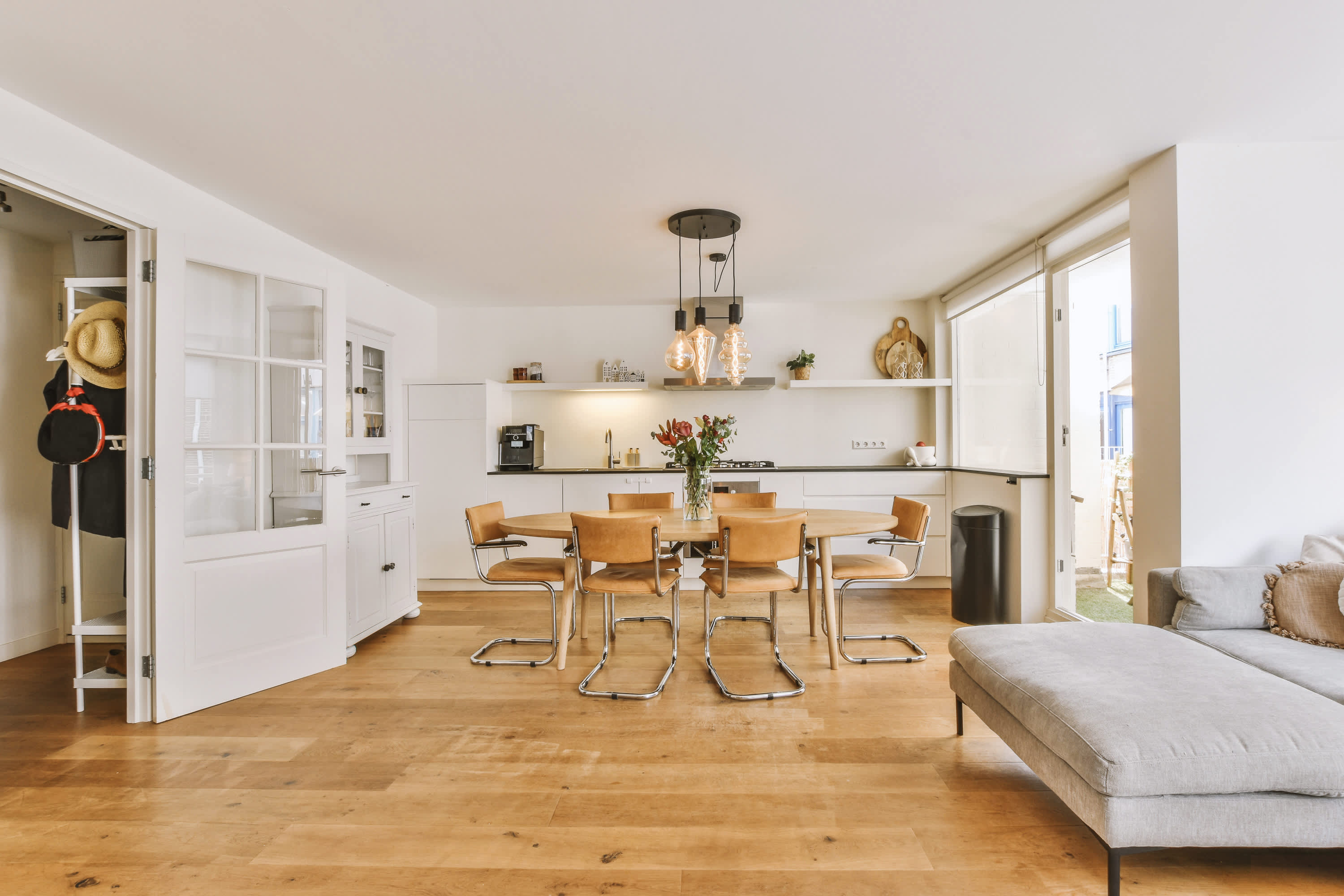
Looking to install laminate flooring? Learn how to hire a laminate flooring installation pro, compare quotes, verify credentials, and more.
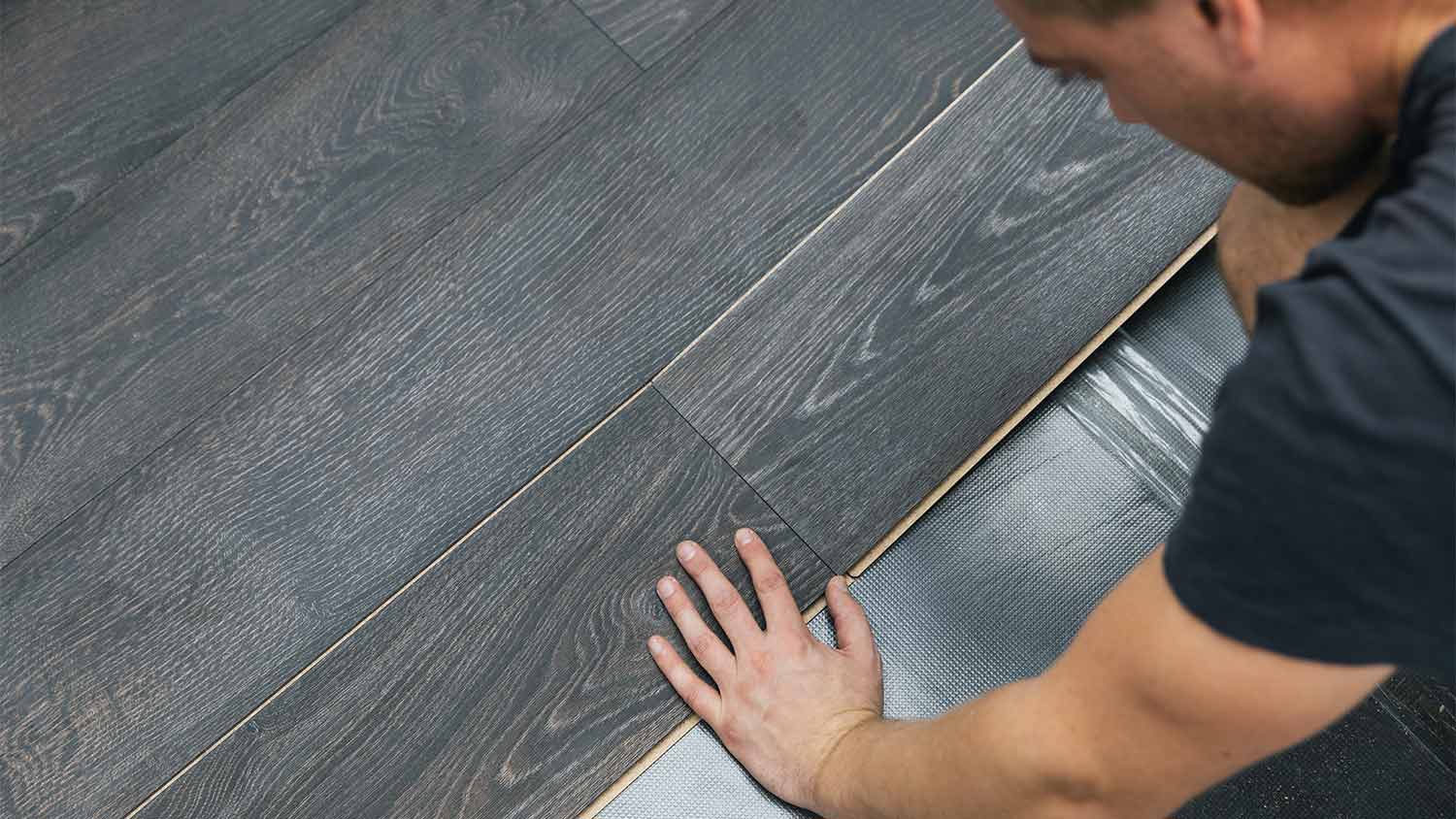
Affordable and tough, laminate flooring is available in styles resembling hardwood and other materials. Learn about its installation, costs, and pros and cons.
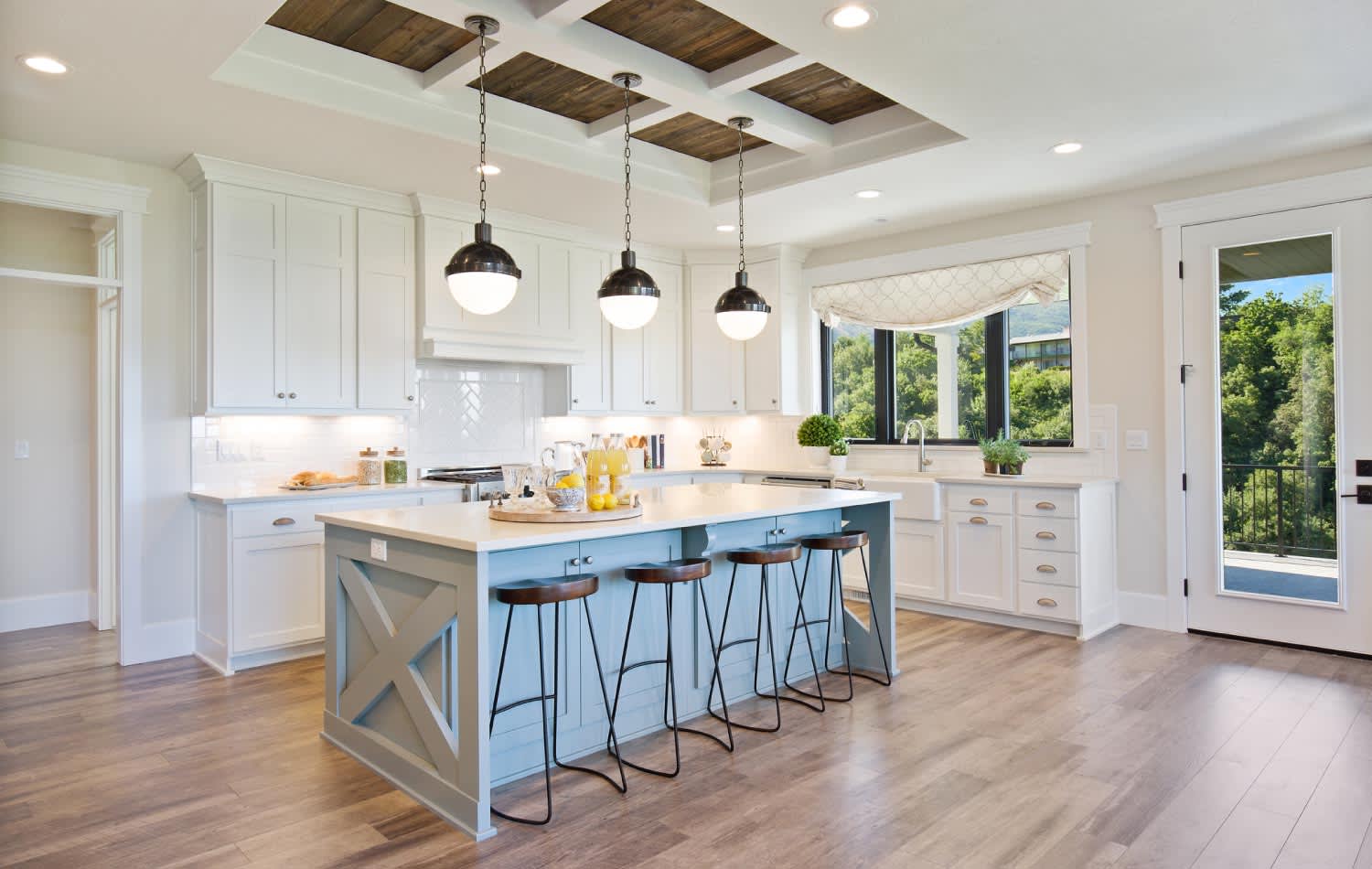
It can be easy to get overwhelmed when considering laminate flooring options. Use this guide to hone in on the best laminate flooring for your kitchen.