

Top-rated radon detection and reduction specialists.

Get matched with top radon detection and reduction specialists in Providence, KY

Enter your zip and get matched with up to 5 pros

Need a pro for your radon detection and reduction project in Providence, KY?

Select your specific project to find the pro for you.

Find Radon detection and reduction specialists in Providence

Gustafson's Home Inspections, LLC
5.0(
1
)

Serving Providence, KY and surrounding areas

In business since 2024

Free estimates

Warranties offered

I AM NOT YOUR AVERAGE INSPECTOR!\n\nAll my inspections come with RecallChek, and Inspector Services Group's Full package warranties. Curtsey of Gustafson's Home Inspections LLC \n\nAt Gustafson’s Home Inspections, we take pride in being a veteran-owned business. Rich Gustafson is the owner, leading the way as a dedicated home inspector continuing to serve his country. My commitment to honesty and transparency sets us apart. Rich believes in telling it like it is, giving a straightforward assessment of every home to ensure our clients have a clear understanding of their property.\nOur focus is not about collecting fees, but on forging meaningful connections with our clients. Rich personally meets with each customer, discussing findings in detail to make sure they understand. We are genuinely here to help, embodying the values of integrity, communication, and service that make Gustafson’s Home Inspections the trusted choice for your home inspection needs.

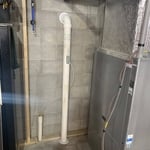
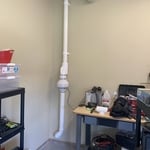
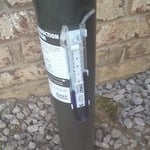
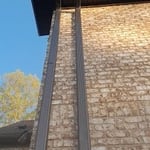
Radon Gas
Radon Gas
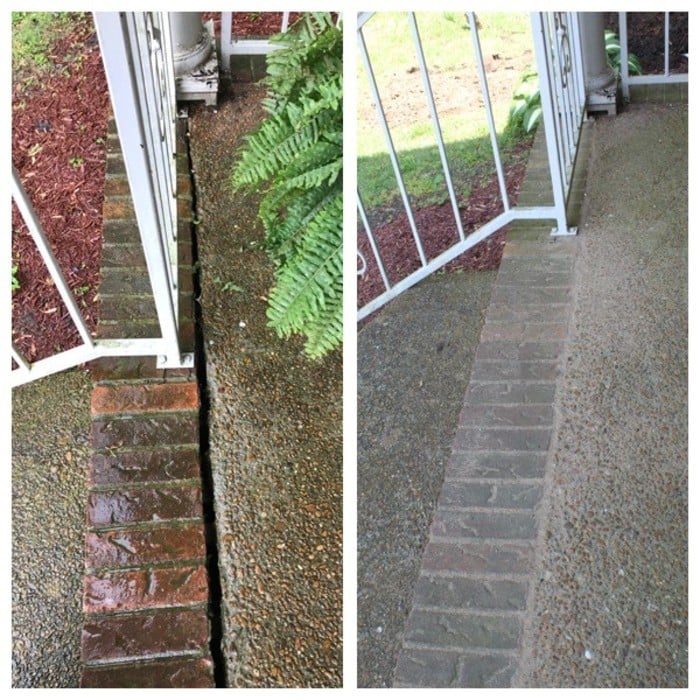
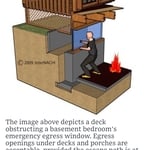
Call me, make sure you deck is safe
Sometimes, you don't think of the obviouse
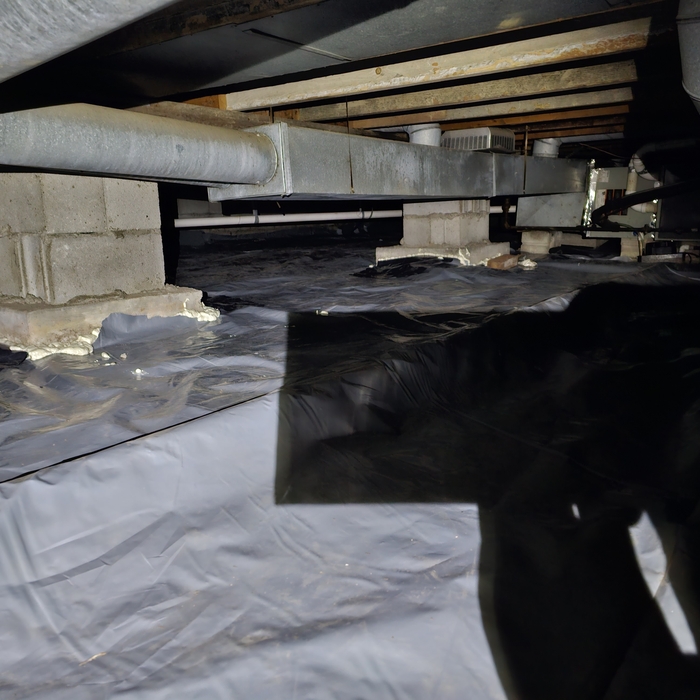
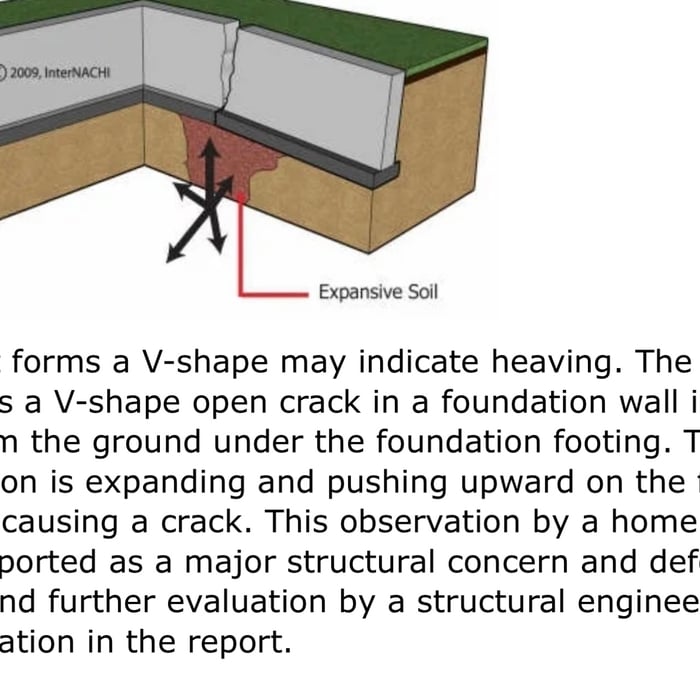
Foundation

+4

Radon Detection and Reduction questions, answered by experts

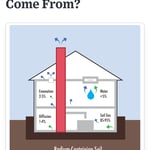
Radon enters your home when warm air begins to rise and exits through the roof, creating a vacuum that pulls cooler air from under the foundation. Part of that air is radon, which is an invisible, odorless gas that develops naturally when radioactive particles are deep within the ground. Those particles usually come from decaying matter in soil and rocks.

The natural breakdown of uranium in soil, rock, and water can cause radon to appear in a home. The gas seeps into homes through cracks in foundations, walls, or floors, as well as through gaps around pipes or construction joints. Radon levels are influenced by soil composition, building materials, and ventilation. Poorly sealed or airtight homes can trap radon, allowing it to accumulate.

The soil beneath your house is most likely what’s causing an increased level of radon. This is because soil holds radioactivity for a long time and it’s also what most buildings are built on. Another common source of radon is water from a source that hasn’t been through periodic radon tests, such as well water. Over time, the radon from the soil can inhabit other parts of your house like the foundation or plumbing.

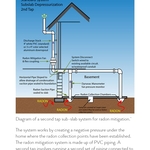
If high radon levels are detected, steps include sealing entry points, installing a mitigation system, and retesting the air regularly to ensure reduced levels.

No level of radon is technically safe, but since it is present everywhere, complete avoidance is impossible. The average radon level in homes across the United States is 1.3 picocuries per liter (pCi/L). The Environmental Protection Agency (EPA) recommends taking preventative measures if your home's radon levels are between 2 and 4 pCi/L or higher.

The Providence, KY homeowners’ guide to radon detection and reduction services

From average costs to expert advice, get all the answers you need to get your job done.

What do you need done? We’ll find top pros.
  • 🌱 "Mow a small front yard"
  • 🛠 "Fix a leaking pipe under the sink"
  • 🏠 "Repair shingles on an asphalt roof"