





Top-rated pest control specialists.

Get matched with top pest control specialists in Providence, KY

Enter your zip and get matched with up to 5 pros

Need a pro for your pest control project in Providence, KY?

Select your specific project to find the pro for you.

Find Pest control specialists in Providence

Avatar for TruGreen
TruGreen
3.7(
10
)
Mosquito Control

Serving Providence, KY and surrounding areas

Approved

In business since 1974

Free estimates

Credit card accepted

"TruGreen provided transparent pricing and quality workmanship when treating my property for bed bugs. Their technicians were professional and thorough, ensuring every area was treated to eliminate the infestation. I appreciated their attention to detail and how they followed up to ensure the problem was resolved. I'll definitely be using their services again if needed."
Recommended by100%of homeowners
Avatar for Terminix
Terminix
3.7(
391
)
Pest Control - Bed BugsPest Control - Bugs and InsectsPest Control - Rodents+1 more

Serving Providence, KY and surrounding areas

In business since 1927

Free estimates

Warranties offered

"From sales, termite application, and pest control Price Termite & Pest Control where professional and friendly. I was able to watch the treatments and they were exactly what was explained to me in my first meeting - no deviation or shortcuts. I highly recommend this company"
Termite Bait Installation - Driveway
Termite Tech
Residential Termite Treatment
Tech w. Clients
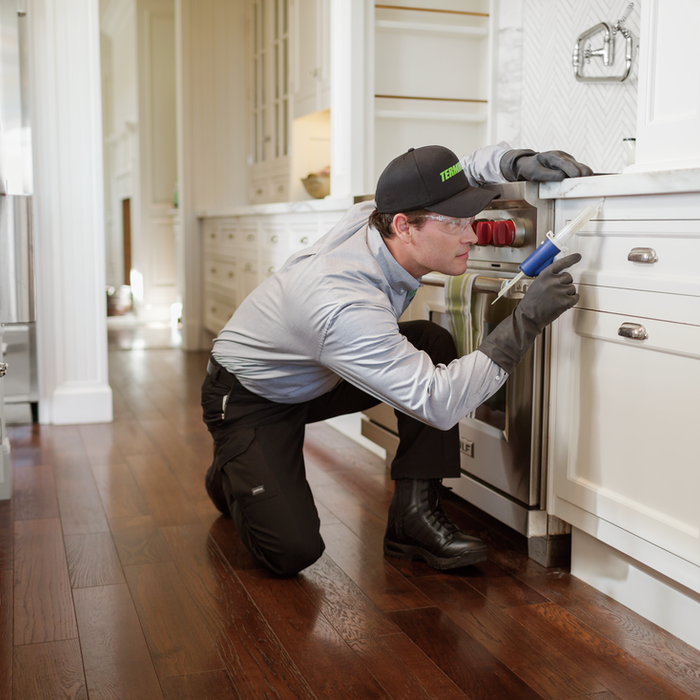
Pest Treatment - Kitchen

+8

Recommended by85%of homeowners
Nick's Pest Management, Inc.
4.5(
2
)
Pest Control - Bed BugsPest Control - Birds and Bats - For BusinessPest Control - Bugs and Insects+5 more

Serving Providence, KY and surrounding areas

In business since 1973

Free estimates

Credit card accepted

Nick's Pest Management is a locally owned and operated company that values honesty and integrity above all else. We have decades of experience proudly serving the area. Our services are customized to your individual needs, paying close attention to the details of each project we are involved with. Please feel free to contact us today!

Recommended by100%of homeowners
Pest Control questions, answered by experts

Start by searching online and asking friends and family. Some exterminators are more well-versed in moth removal than others, so peruse their website ahead of time, searching for mentions of moths. 

While on their website, look for any relevant licenses, certifications, and memberships to professional organizations. Also, look for liability insurance, as accidents happen when dealing with pesticides. Search for red flags by reading customer reviews online. Finally, give them a call to discuss the job.

Vinegar can be an insect repellant, as many bugs find its scent off-putting. However, vinegar is acidic and may also cause damage to any plants it comes in contact with. If you'd like to use vinegar to deter pests in your garden, be careful not to spray it directly on the plant's leaves or stems.

It's also worth noting that vinegar's effects can be short. To continue to repel bugs, you'll need to spray vinegar repeatedly. 

Deer rely on scent to tell them what’s safe and unsafe, so effective deer repellents have to be pungent. Make your own natural repellent by combining a beaten egg, one tablespoon of cooking oil, one tablespoon of dish soap, and a half cup of milk. Pour it into a spray bottle and spray around your garden, avoiding anything you will want to eat later. This stinky repellent will ward off any deer that want to make your produce their next meal. But keep in mind that if your windows are nearby, the scent may waft over.

Earwigs are omnivores, so they have a varied diet. Generally, they feast on decaying organic matter, leaves, flowers, and vegetables. They’ll also eat other insects (dead or alive) like aphids, sowbugs, and mites.

When woodpeckers start banging on your walls or roof, they are probably looking for insects to eat, storing nuts for winter, drilling a hole to make a nest, or communicating with other birds to establish territory or find a mate.

The size of the hole can help determine the reason for the pecking. Small irregular holes are a result of insect hunts. Acorn holes are more consistently sized and often fitted with a nut in the middle. Nest holes are large and have rounded edges. If the bird is pecking to mark its territory or attract a mate, it may leave dents rather than holes, and the noise will stop when the mating season starts in spring.

The Providence, KY homeowners’ guide to pest control services

From average costs to expert advice, get all the answers you need to get your job done.