







Top-rated septic tank pros.

Get matched with top septic tank pros in Loretto, KY

Enter your zip and get matched with up to 5 pros

Need a pro for your septic tank service project in Loretto, KY?

Select your specific project to find the pro for you.

Find Septic tank pros in Loretto

Avatar for American Home Shield – Home Warranty
American Home Shield – Home Warranty
3.5(
5,688
)
Septic System - Install or ReplaceSeptic System - Install or Replace - For BusinessSeptic System - Repair+3 more

Serving Loretto, KY and surrounding areas

In business since 1971

Credit card accepted

"The technician emptied the freezer, which was in the basement, to work on the part that needed repair. Then he neglected to put anything back into the freezer, including a turkey I had bought for Christmas and a rack of ribs. Two days after he left, I went out of town for two weeks. The turkey actually exploded and spewed its liquid all over everything, which had to be discarded. I let AHS know and they couldn't even bother to call me or follow up on this. I'm considering not renewing my contract with them because of the quality (or lack thereof) of many of the providers they send."

Additional Photos
Additional Photos
Additional Photos
Additional Photos
Additional Photos

+2

Recommended by65%of homeowners
Septic Tanks questions, answered by experts

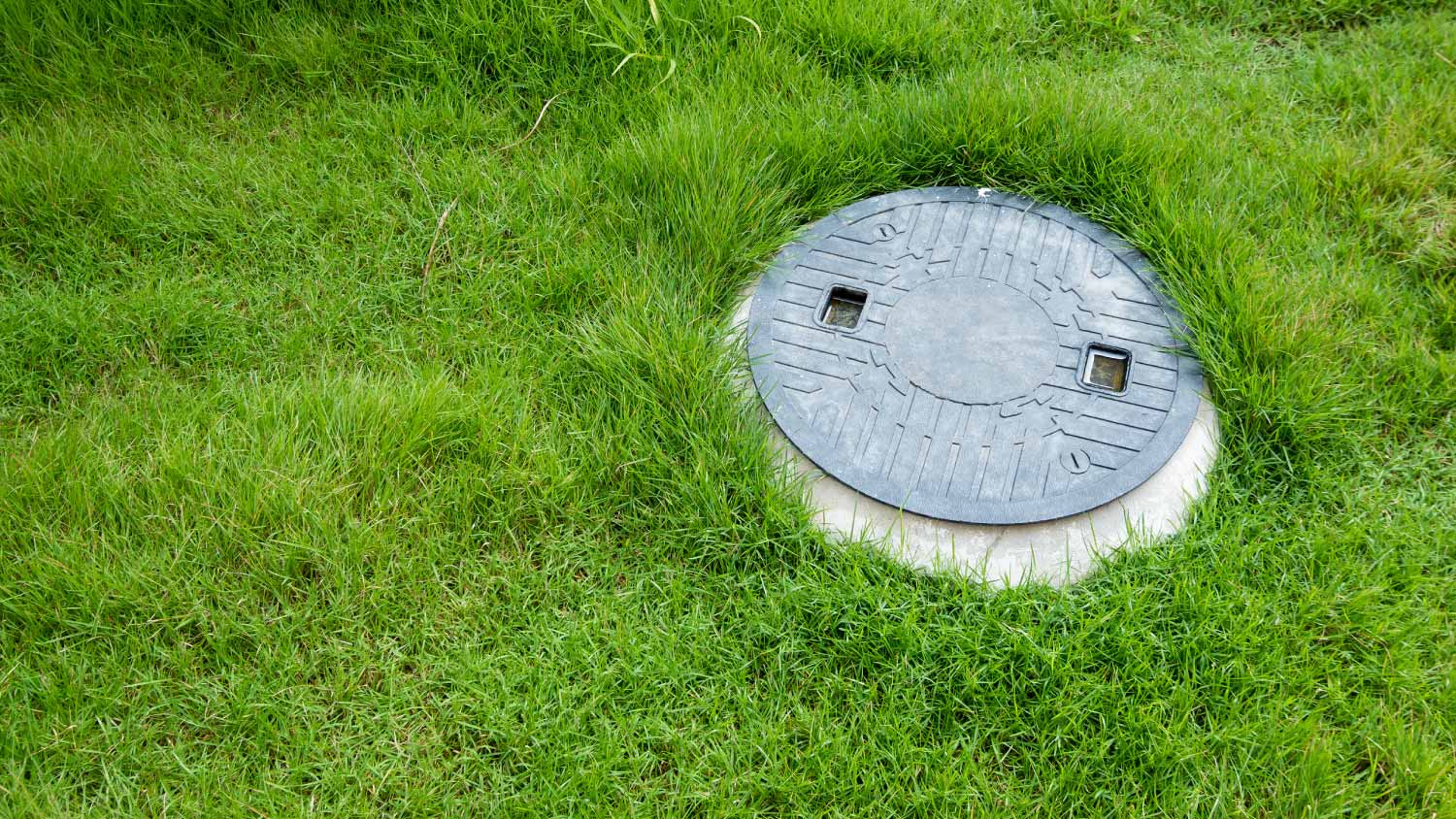
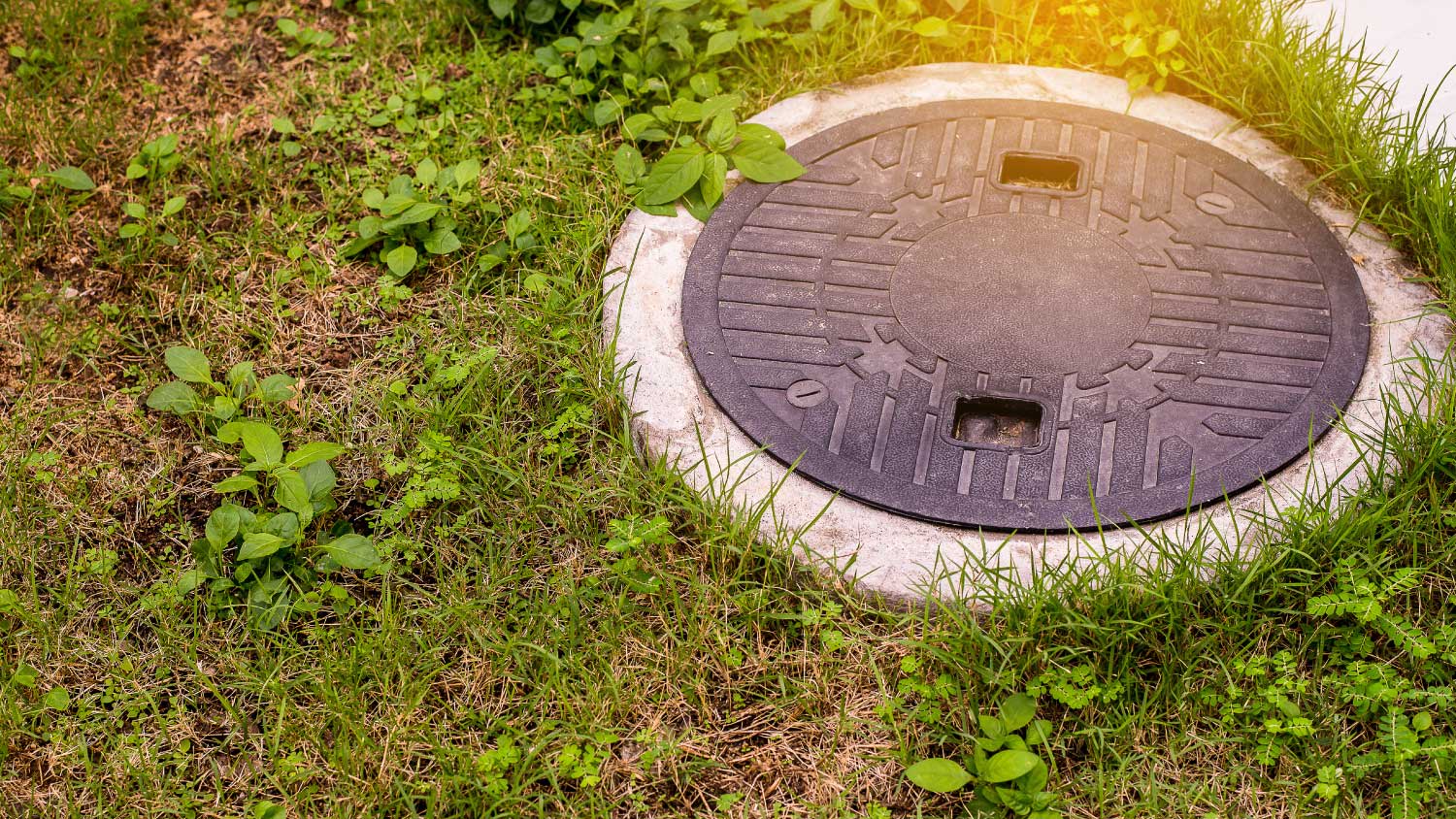
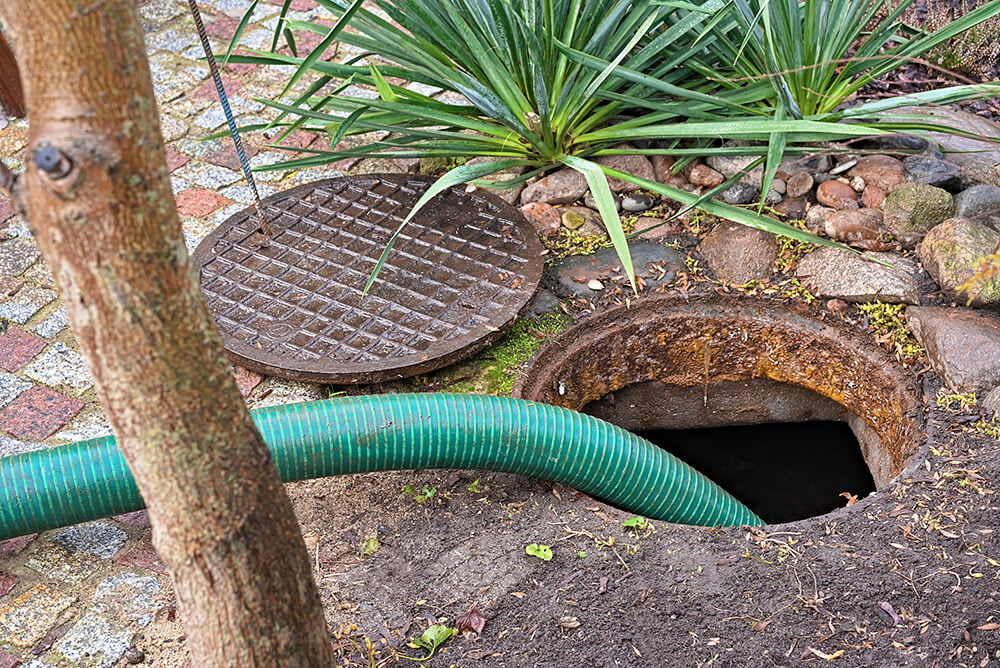
Septic tank lids may or may not be buried in a yard. Most lids are buried at least 4 inches deep unless you have an aerobic septic system. Aerobic septic systems need frequent cleanings, about every four months, so it’s best to leave these lids aboveground for easier access. For buried lids, homeowners can use risers that make it easier to locate and access a buried septic tank lid.

With regular servicing and general upkeep, both a well pump and pressure tank can last for years. The average lifespan of a well pump is around eight to 15 years. A well pressure tank can last from seven to 10 years. How long a well pump and pressure tank lasts also depends on a variety of factors such as type, size, material, and brand.

Most home wells start at 100 feet, and many go as deep as 200 or 300 feet

It takes quite a lot of water to meet the demands of showers, toilets, faucets, and appliances like dishwashers and laundry machines, and shallow wells struggle to provide this amount quickly. If you anticipate having high water usage in the future, it’s often better to drill slightly deeper and give yourself a bit more water storage than you need.

There are a few things that can make your drain field fail. These include driving or parking vehicles or heavy machinery on the field, excess sodium in the soil, or having a high water table. You can prevent failure by ensuring your installer checks that your chosen location is suitable for a drain field and properly maintaining your system with the help of a professional.

Septic drain lines (or leach lines) are typically buried between 18 and 36 inches underground, and should be at least 6 inches below the surface. These pipes are perforated and surrounded by filtering materials like sand or gravel. Burying the lines at this depth helps minimize odors and allows bacteria and other biological processes in the soil to effectively treat the wastewater. Burying lines too close to the surface can cause issues unless the soil is very compact and stable.

The Loretto, KY homeowners’ guide to septic tank services

From average costs to expert advice, get all the answers you need to get your job done.