

Top-rated drywall pros.

Get matched with top drywall pros in Columbia, KY

Enter your zip and get matched with up to 5 pros

Need a pro for your drywall service project in Columbia, KY?

Select your specific project to find the pro for you.

Find Drywall pros in Columbia

McCoy Superior Drywall
4.3(
19
)
Drywall - InstallDrywall - Install - For BusinessDrywall - Repair+1 more

Serving Columbia, KY and surrounding areas

Approved

In business since 1984

Free estimates

Small jobs welcome

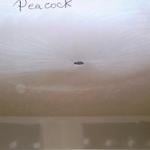
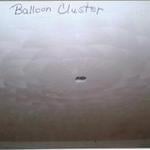
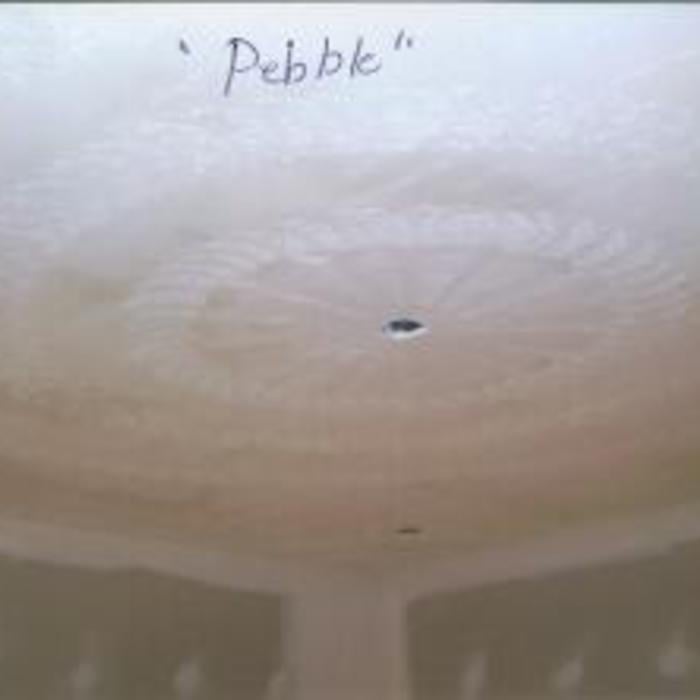
"I had to have my ceiling repaired and re-stamped. Seth was able to match my old stamp pattern with newly repaired drywall. His crew was very professional and efficient. They cleaned up everything when they were done. I would definitely recommend this company for ceiling repair."
 Fan
 Peacock
 Double Wedding Band
 Ballon Cluster
 Pebble

+1

Response time12 hrs
Recommended by94%of homeowners

Avatar for Nash Johnson
Nash Johnson
5.0(
4
)
Drywall - Repair

Serving Columbia, KY and surrounding areas

Approved

In business since 2021

Free estimates

Small jobs welcome

"Nash did a great job on our kitchen. He gave us a great price and our backsplash turned out great. he was very clean and respectful of our property. Will definitely call him again"
Nash Johnson
14 neighbors recently requested a quote
Avatar for MP Demolition Group
MP Demolition Group
New to Angi
Drywall - Repair

Serving Columbia, KY and surrounding areas

Approved

Free estimates

Emergency services offered

Warranties offered

At MP Demolition Group we specialize in safe, efficient, and professional demolition services for residential, commercial, and industrial projects. With years of hands-on experience and a commitment to excellence, we take pride in delivering reliable solutions tailored to each client’s unique needs.\nOur team of highly trained operators and safety-certified professionals utilizes modern equipment and proven techniques to ensure every project is completed on time and within budget. From selective interior demolition to complete structural teardown, we handle projects of all sizes with precision and care.\nSafety is our top priority. We strictly follow industry regulations and environmental guidelines, ensuring responsible waste disposal and recycling practices whenever possible. Our goal is not just to demolish — but to clear the way for new beginnings.

Downtown Versailles Hotel
Louisville Fire House Sub

+8

...
Showing 1-10 of 82
Drywall questions, answered by experts

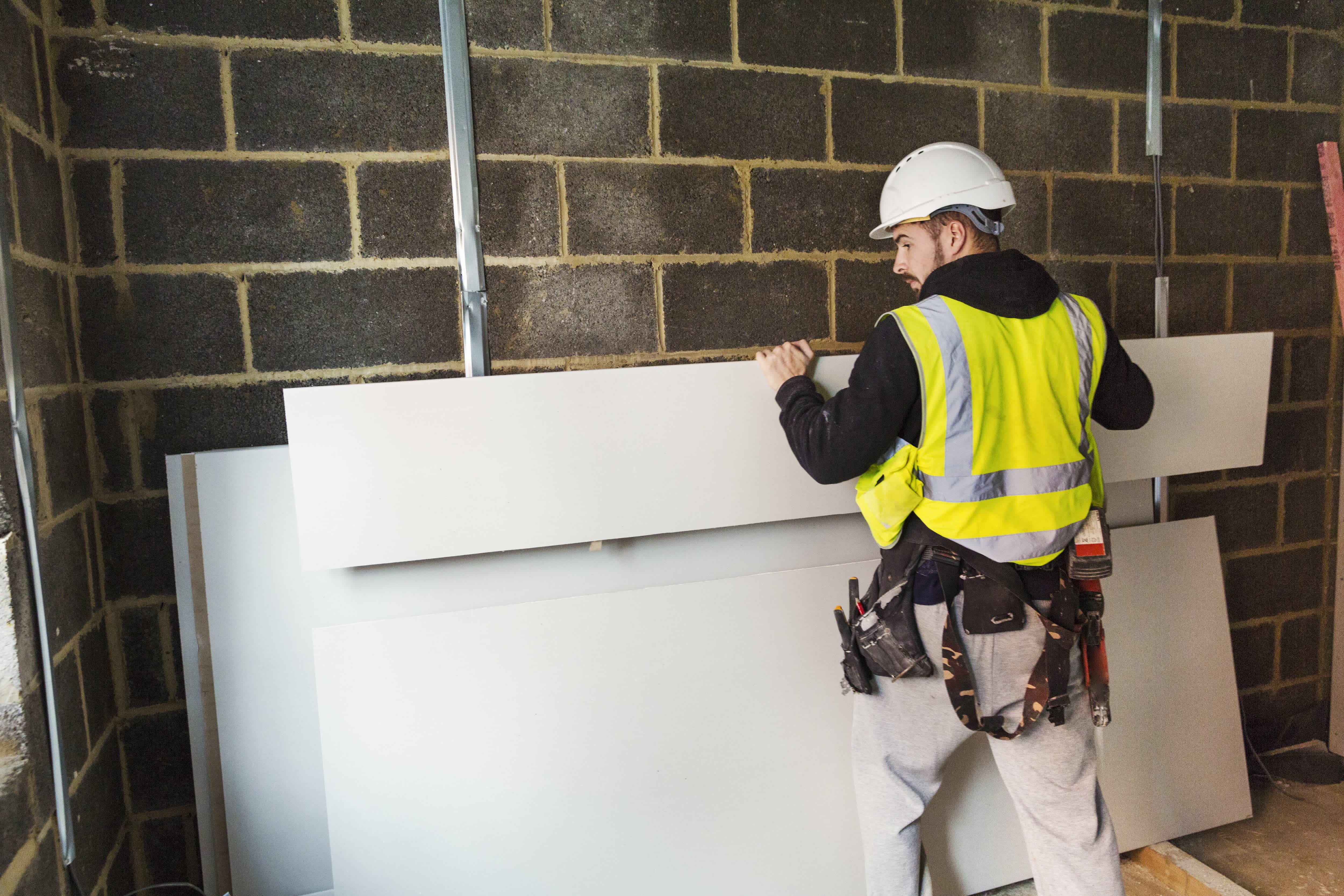
How you hang the drywall can affect the finishing process. It's often easier to finish horizontal drywall panels, as the seams run across the wall rather than up and down. Standard drywall panels are 48 inches wide, so the seam is easy to reach without bending down or stretching your arms.

You should leave a gap between drywall sheets because they naturally expand and contract along with the building framing as temperature and humidity change. Most pro drywall installers leave a gap of about ⅛ inch between drywall sheets, allowing the sheets to expand, contract, and shift without cracking or becoming damaged. If you don’t leave enough gaps between slabs, the edges will press against each other when they expand, and the pressure can cause visible cracks.

Although they are used for similar tasks, spackle and joint compound are not the same. Joint compound, also known as drywall mud, consists of limestone and gypsum and is primarily used for large-scale projects like taping and finishing seams on new drywall. Spackle is composed of gypsum and binding agents, making it a thicker compound best suited for small wall repairs like filling nail holes or cracks, as it dries quickly and is easy to sand. For small repairs, either product can be suitable. However, you can use joint compound for small jobs in place of spackle, but you cannot use spackle for large-scale taping and mudding projects.

While every home has its own unique needs, ceiling drywall installation typically follows a staggered or stepped pattern to enhance structural integrity and reduce the visibility of seams. Starting from one corner, sheets are placed perpendicular to the ceiling joists, with the ends of adjacent sheets meeting along the center of the joist. The next row begins with a half sheet, ensuring joints don't align vertically. This alternating pattern, combined with proper taping and mudding, creates a seamless appearance and strengthens the ceiling structure, minimizing the risk of cracks over time.

Yes, it matters which side of drywall you use. One side is smooth, and the other is rough. The smooth side should be facing outward, toward the room, while the rough side should be hidden and facing the studs and framing of the house. The smooth side will be easier to apply tape, joint compound, and, later, paint to.