
Top-rated drywall pros.

Get matched with top drywall pros in Summer Shade, KY

Enter your zip and get matched with up to 5 pros

Need a pro for your drywall service project in Summer Shade, KY?

Select your specific project to find the pro for you.

TRUSTED BY SUMMER SHADE, KY HOMEOWNERS

  • Average homeowner rating star icon3.9
    Average homeowner rating
  • Verified reviews icon13
    Verified drywall services reviews

Find Drywall pros in Summer Shade

Avatar for MP Demolition Group
MP Demolition Group
New to Angi
Drywall - Repair

Serving Summer Shade, KY and surrounding areas

Approved

Free estimates

Emergency services offered

Warranties offered

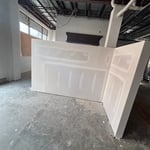
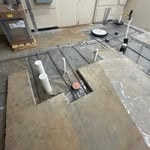
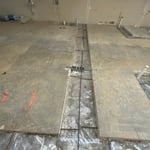
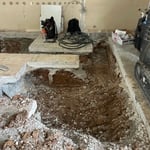
At MP Demolition Group we specialize in safe, efficient, and professional demolition services for residential, commercial, and industrial projects. With years of hands-on experience and a commitment to excellence, we take pride in delivering reliable solutions tailored to each client’s unique needs.\nOur team of highly trained operators and safety-certified professionals utilizes modern equipment and proven techniques to ensure every project is completed on time and within budget. From selective interior demolition to complete structural teardown, we handle projects of all sizes with precision and care.\nSafety is our top priority. We strictly follow industry regulations and environmental guidelines, ensuring responsible waste disposal and recycling practices whenever possible. Our goal is not just to demolish — but to clear the way for new beginnings.

Downtown Versailles Hotel
Louisville Fire House Sub

+8

...
Showing 1-10 of 92
Drywall questions, answered by experts

While certain types of textured walls can seem dated (looking at you, popcorn), textured walls are a common sight in both older and more modern homes. The main reason textured walls may be here to stay is that they are an excellent way to hide minor imperfections on a wall and give it a finished appearance. Some homeowners think a coat of paint on drywall is a bit industrial-looking. However, that look works perfectly in modern home design

All plaster walls will crack over time due to normal house settling and expansion and contraction from temperature and moisture changes. Small, thin hairline cracks are generally not serious and are mostly a cosmetic issue. However, larger or more significant cracks can indicate structural problems.

Here's how to tell the difference:

  • Cosmetic Cracks: Cracks that are 0.5 cm (0.2 inches) or thinner are typically cosmetic.

  • Structural Cracks: Cracks wider than 0.5 cm, excessive or deep cracks, multiple cracks in the same area, or cracks that span around corners can signify a structural or foundation issue. Cracks along the joints where walls meet the ceiling also warrant attention.

For cracks wider than 0.5 cm, structural repair is needed. If a crack is 2.5 cm (1 inch) or wider, or if you notice any signs of a structural problem, it is best to contact a plaster repair professional to assess the damage.

In most cases, plaster repair will improve your home’s energy efficiency because a solid barrier of the insulative material helps keep conditioned air inside your home. Major plaster repair jobs like repairing large cracks or crumbling sections of plaster or applying a skim coat might make a noticeable difference in your heating and cooling bills. Not only can plaster repairs improve efficiency, but they can also reduce strain on your HVAC equipment, potentially saving you money on maintenance and repairs.

If you plan on heating your garage, you must install a vapor barrier when drywalling the garage. A vapor barrier protects your garage from frost and mold that can occur through condensation. If your garage is unheated, you don't need to install a vapor barrier. The only exception is if you regularly crank the heat in your car before getting in it. In this case, you may still want to install a vapor barrier, as your car can heat your garage.

While not always necessary, you can glue a drywall ceiling in addition to using screws or nails. Drywall is typically secured to ceiling joists with fasteners, which is often sufficient. However, adding construction adhesive can offer benefits like preventing sagging, bridging gaps, and reducing air leaks for better energy efficiency. It may also be used for specific acoustic or insulation needs. On the other hand, many professionals advise against it because properly placed screws make the drywall structural, glue doesn't add strength, and it makes future repairs or replacements significantly more difficult. Ultimately, it's best to follow local building codes and project-specific requirements to decide if adhesive is right for your ceiling.

The Summer Shade, KY homeowners’ guide to drywall services

From average costs to expert advice, get all the answers you need to get your job done.