


Top-rated deck maintenance specialists.

Get matched with top deck maintenance specialists in Columbia, KY

Enter your zip and get matched with up to 5 pros

Need a pro for your deck maintenance project in Columbia, KY?

Select your specific project to find the pro for you.

Find Deck maintenance specialists in Columbia

Avatar for T&d lawn service and maintenance
T&d lawn service and maintenance
5.0(
11
)

Serving Columbia, KY and surrounding areas

In business since 2007

Free estimates

"Phenomenal work, top quality and didn't miss a thing. Above and beyond is an understatement. I can't say enough positive things, call them for yourselves and see what I mean! Your lawn will be the envy of the neighborhood"
Lawn Care Maintenance

+46

Recommended by100%of homeowners
Avatar for RNC lawn care
RNC lawn care
3.9(
7
)

Serving Columbia, KY and surrounding areas

In business since 2022

Free estimates

Emergency services offered

"The team at RNC Lawn Care did an amazing job. They called me back right away and were able to complete my project the following day. I will definitely be using them in the future for my lawn care and maintenance needs."
Response time11 hrs
Response rate98%
Recommended by60%of homeowners
Showing 1-10 of 41
Deck Maintenance questions, answered by experts

The proper and most comfortable height for a deck stair riser, also called a step, is between four and seven inches. A height of seven inches is often considered ideal for a strain-free step that minimizes the risk of trips and falls. While it is possible to have risers up to 12 inches, this height can be challenging for children, pets, or individuals with mobility issues. For optimal safety and comfort, pair a seven-inch riser with a tread depth (or run) of at least 10 to 12 inches. Always check your local building codes, as they may have specific requirements that differ from these general recommendations.
Yes, deck pier blocks can be used as an alternative to traditional deck footings, particularly for small or low-to-the-ground decks. Unlike poured concrete and buried post footings, deck blocks don’t require digging or pouring. However, their use is regulated by local building codes, and they may not be permitted in areas prone to high winds, earthquakes, or hurricanes. Always consult your local building codes before choosing them for your deck project.

In many areas, a floating deck that isn’t connected to your home and stays under 200 square feet and below 30 inches in height may not need a permit. These freestanding structures are often considered low-risk, which can simplify the building process. However, building codes vary greatly based on location. Before investing in any home improvement project, check with your local permitting office for deck-building guidelines.

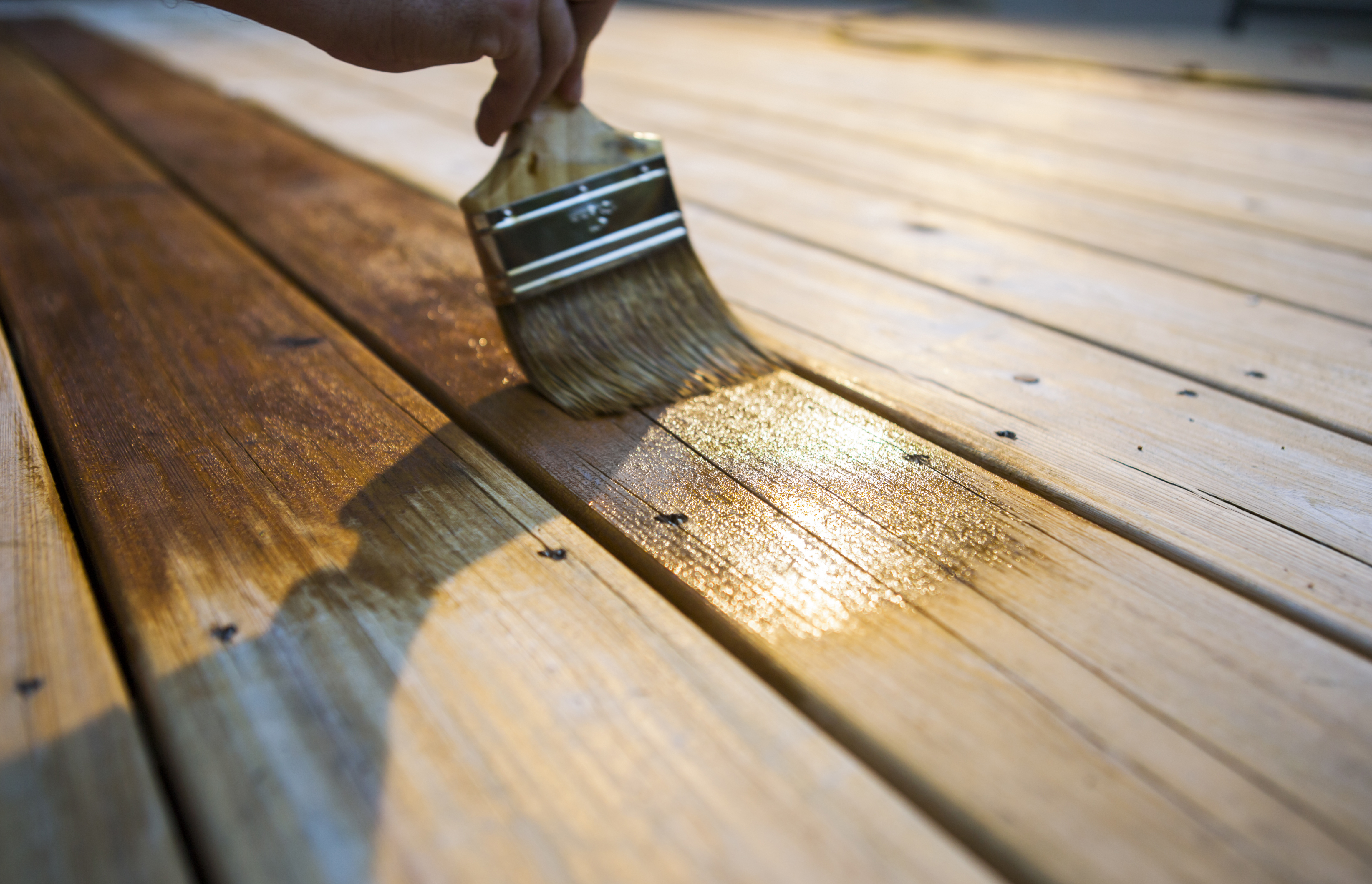
Two coats of stain are ideal for the best protection and aesthetic appeal. However, if your decking is made of particularly dense hardwood, you may only need one coat. If you want an intense color, two coats are ideal.

Yes, you can build a pool deck yourself, but it takes precision, a lot of time, and many specific tools. You’ll need to create a deck plan, be careful with measurements, cut each piece of wood, secure the pieces properly, and ensure the deck meets building codes. Building a deck around a pool is a rewarding DIY, but it’s time- and labor-intensive, so thoughtfully consider your abilities and the time you have before embarking on this DIY.

The Columbia, KY homeowners’ guide to deck maintenance services

From average costs to expert advice, get all the answers you need to get your job done.