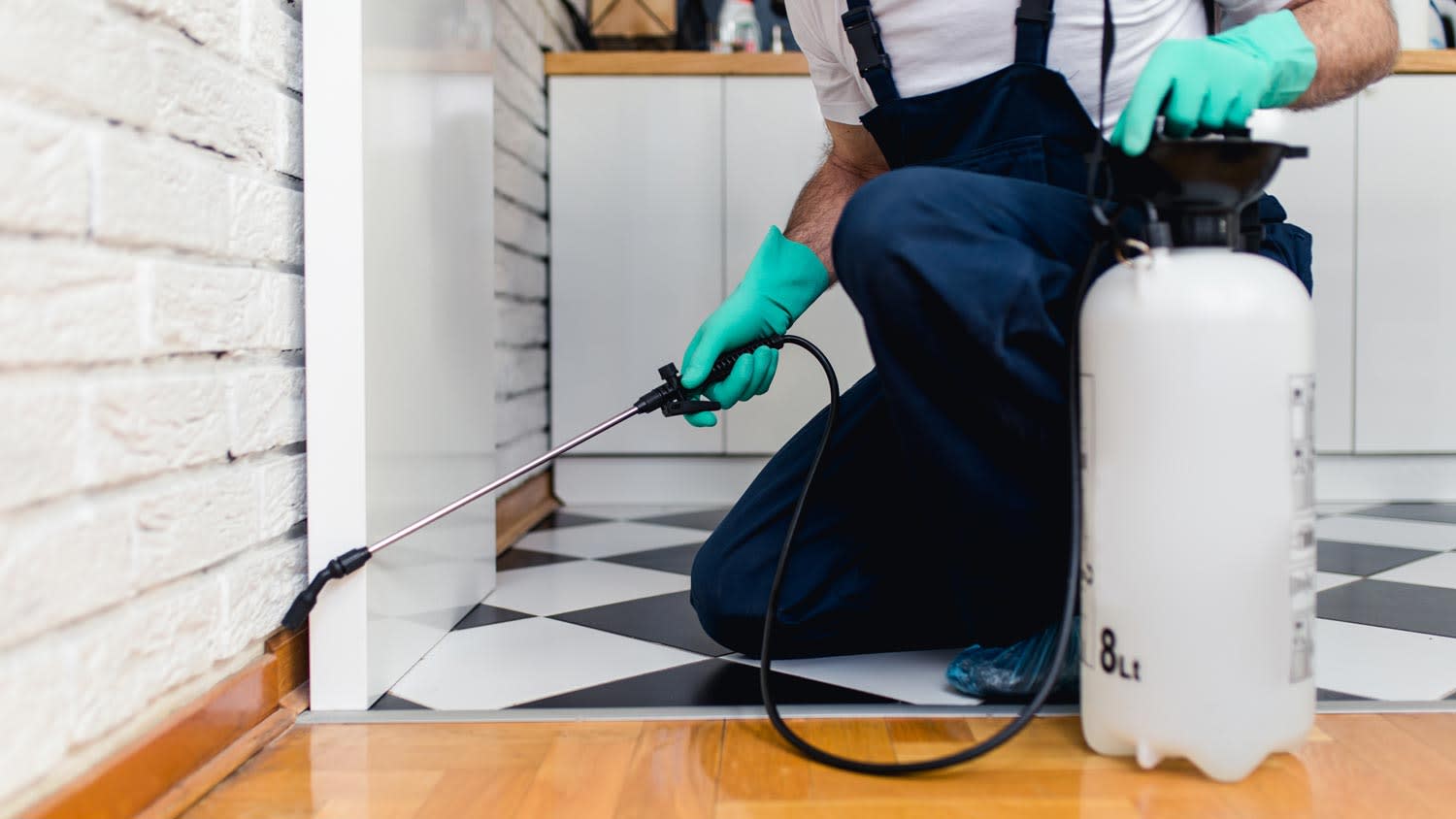







Top-rated pest control specialists.

Best pest control specialists near Columbia, KY

Enter your zip and get matched with up to 5 pros

Need a pro for your pest control project in Columbia, KY?

Select your specific project to find the pro for you.

Top-Rated Pest control specialists in Columbia - Updated Nov 2026

Avatar for Terminix® Pest Control
Terminix® Pest Control
3.9(
1,074
)
Pest Control - Bugs and InsectsPest Control - RodentsPest Control - Termite+6 more

Serving Columbia, KY and surrounding areas

Approved

In business since 1927

Free estimates

Warranties offered

"Very knowledgeable guy who seem to know what he’s doing. Don’t know results of spraying. Have had much rain since. Will have to see if it worked. Terminex will spray again the beginning of next month."

My jobs
My jobs
My jobs
My jobs
My jobs

+2

51 neighbors recently requested a quote
Recommended by81%of homeowners

Avatar for Southern Kentucky Pest Management, LLC
Southern Kentucky Pest Management, LLC
2.5(
2
)
Pest Control - Bed BugsPest Control - Bugs and InsectsPest Control - Termite

Serving Columbia, KY and surrounding areas

In business since 2011

Free estimates

Credit card accepted

Welcome to Southern Kentucky Pest Management, LLC! In business since 2011, we take great pride in the quality of our work and guarantee customer satisfaction. We hope you find everything you need. Southern Kentucky Pest Management, LLC, is focused on providing high quality service. We will do everything we can to exceed your expectations. With a variety of treatment options to choose from, we are sure you will be happy working with us. Be sure to give us a call today!

Response time9 hrs
Pest Control FAQs, answered by experts

In general, mouse droppings can remain infectious for 2 to 3 days at room temperature. Through their urine and feces, rodents can spread harmful diseases to humans. Common infectious diseases include hantavirus, salmonellosis, leptospirosis, and LCM.

However, depending on the specific virus and environmental conditions, mouse droppings can carry viruses for shorter or longer periods of time. For example, Salmonella can survive in mouse droppings several days and even weeks.

Some plants that are toxic to animals or insects are also toxic to people. Daffodils, for example, are considered poisonous to humans (although they are rarely fatal). Most of the other plants listed above, however, are safe (and delicious!) for humans to eat, including basil, rosemary, and lemongrass.

Cockroaches, ants, flies, bed bugs, and termites are common in business environments.

Roaches have a strong sense of smell and are repelled by a variety of potent aromas. Scents that can help deter them include citrus (such as lemon and orange), herbs like peppermint, mint, basil, thyme, and oregano, spices like bay leaves, cinnamon, clove, and garlic, as well as lavender, eucalyptus, citronella, tea tree oil, and vinegar.

You can use these scents in several ways to create an unwelcoming environment for roaches:

  • Plants: Place mint or lavender plants in your home or garden.

  • Powders and Leaves: Sprinkle garlic powder or place crushed bay leaves and citrus peels in high-risk areas like kitchens, bathrooms, and entry points.

  • Sprays: Create a diluted solution with scents like lemon or vinegar to spray in your home. These can also be used in cleaning products or as room fresheners.

  • Essential Oils: While essential oils of these scents can be used, be cautious as they can be toxic to pets if inhaled.

It is important to note that while these smells can help keep roaches away, they typically do not kill them and may not be enough to drive out an existing infestation entirely. For best results, combine these scent-based deterrents with regular cleaning. Be sure to clean up all food spills, crumbs, and dirty dishes promptly, and keep trash cans covered with a tight-fitting lid to remove potential food sources.

Some of the plants listed above, like daffodils, are poisonous to many animals if eaten. But wild animals instinctively avoid them, for the most part. Household pets don’t always have the same survival instinct, which is why it’s a good idea to familiarize yourself with common plants that pose a danger to cats and dogs.

The Columbia, KY homeowners’ guide to pest control services

From average costs to expert advice, get all the answers you need to get your job done.