


Top-rated paving pros.

Best paving pros near Altamont, KS

Enter your zip and get matched with up to 5 pros

Need a pro for your paving service project in Altamont, KS?

Select your specific project to find the pro for you.

Top-Rated Paving pros in Altamont - Updated Nov 2026

Avatar for A & S Coating
A & S Coating
4.6(
34
)
Asphalt Paving - Repair or Patch

Serving Altamont, KS and surrounding areas

Approved

In business since 2003

Free estimates

Emergency services offered

"Alfred and Son did an excellent job resealing our very long driveway and repaired all of the deep cracks. We really like how the entire project turned out and would highly recommend them."
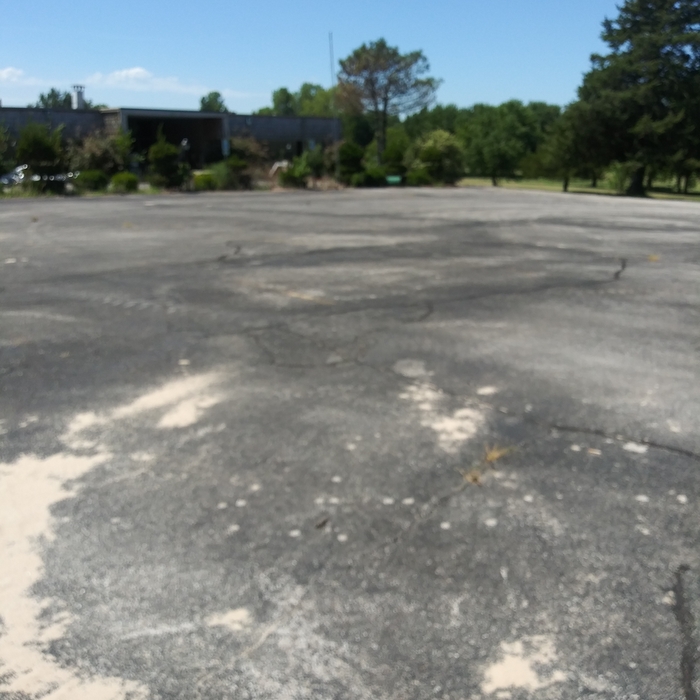
Main parkinglot
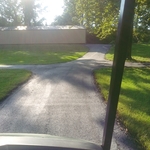
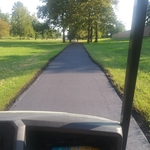
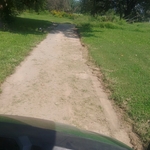
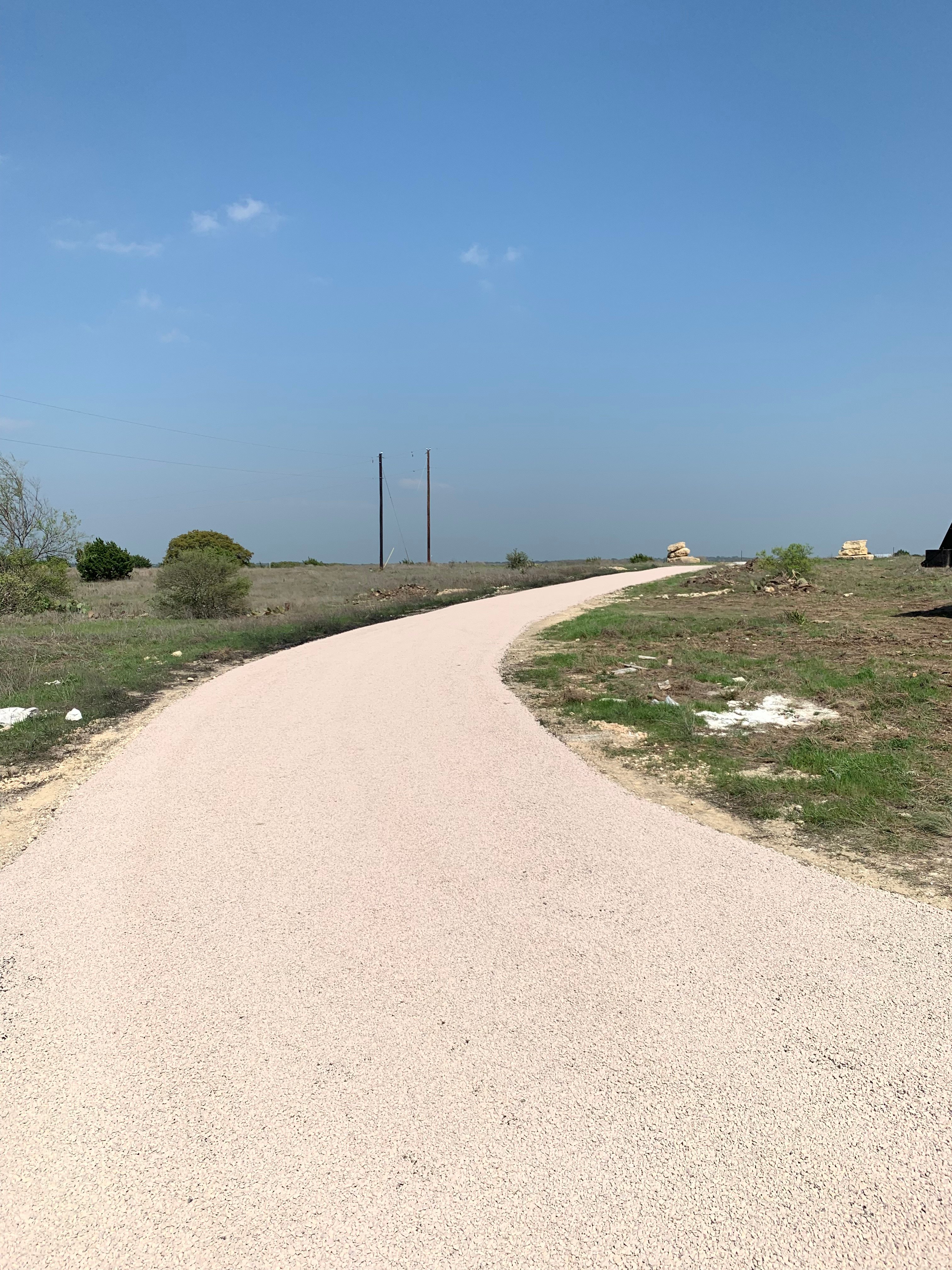
Golf cart path
Golf cart path
Golf cart path
Main parkinglot

+25

Response time8 hrs
Response rate97%
16 neighbors recently requested a quote
Avatar for Tri-State Sealing and Striping
Tri-State Sealing and Striping
New to Angi
Asphalt Paving - Repair or PatchAsphalt Paving - Repair or Patch - For Business

Serving Altamont, KS and surrounding areas

Approved

In business since 2022

Free estimates

Credit card accepted

Asphalt paving, asphalt sealcoating and Repair, Asphalt Parching, pavement sealing, Chip and seal, Crack Repair, Line Striping, driveways, Parking Lots, Roads, New installs, repairs, overlays, digout and haul off for commercial residential, municipal, serving Missouri, Kansas, and Oklahoma, Free Estimates,

Crack repair
Asphalt sealing
Response time1 day
4 neighbors recently requested a quote
Avatar for Neely's Masonry
Neely's Masonry
4.3(
3
)
Interlocking Pavers for Patios, Walks & Steps - Install

Serving Altamont, KS and surrounding areas

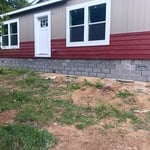
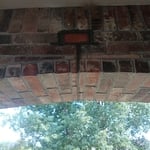
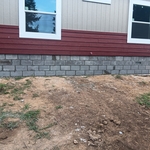
"Removed old blocks and hallway the old blocks. Services was very good. Did great putting in the new blocks. If i want more masonry done. I will get a hold of Neely Masonry again."
Masonry Project
Masonry Project
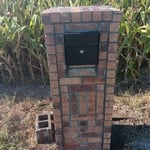
Mailbox
Masonry Project
Masonry Project

+14

Recommended by100%of homeowners
Showing 1-10 of 18
Paving Services FAQs, answered by experts

Yes, pea gravel is good for driveways as long as your driveway isn’t built on a hill or any type of slope where it can slide. It’ll settle on a flat surface and create a suitable driveway over time, though some spreading initially will take place. If you're wondering how to make a gravel driveway in a high-rainfall area, using pea gravel could help you to cut down on costs needed for extra drainage solutions.
Pavers are a type of permeable hardscape that can be used for driveways, patios, walkways, and other landscaping features. Unlike poured concrete or asphalt, pavers typically have a layer of gravel underneath to prevent water runoff from damaging your property—though you can also lay pavers on grass. Because pavers are installed piece by piece, you can customize a one-of-a-kind hardscape that best suits your aesthetics, boosting your curb appeal along the way.

If you notice minor cosmetic problems with your driveway, you should seal it. Look out for cracks and holes on the surface, faded asphalt or concrete, and stains from oil and other chemicals. Replacing your driveway may be necessary if you’re dealing with significant problems—¼-inch cracks, large potholes, and puddles from drainage issues. The cost to install an asphalt driveway typically ranges between $4,200 and $9,000, significantly more than resealing. Consider talking to a professional to discuss whether resurfacing your driveway—a midway project between resealing and replacing—is a better option for you.

A driveway's lifespan varies by material. Asphalt driveways typically last 15 to 30 years, while concrete driveways last longer, between 20 and 50 years. The longevity of any driveway is affected by factors like extreme temperatures, heavy traffic, and the quality of maintenance. Regular upkeep, such as filling cracks, resealing the surface, and ensuring proper drainage, can help extend its life. For gravel driveways, regrading to fill in uneven areas every year or two is recommended.

Asphalt and tarmac are not the same thing. Traditional tarmac, short for tarmacadam, uses tar as a binder to hold crushed stone together. Asphalt uses bitumen—a byproduct of crude oil—to bind aggregate. Though tarmac was once a go-to for roads, asphalt has become the modern standard. And these days, most surfaces referred to as “tarmac” are actually asphalt. So, while the names may overlap, the key distinction lies in the binder—tar for tarmac and bitumen for asphalt.

The Altamont, KS homeowners’ guide to paving services

From average costs to expert advice, get all the answers you need to get your job done.