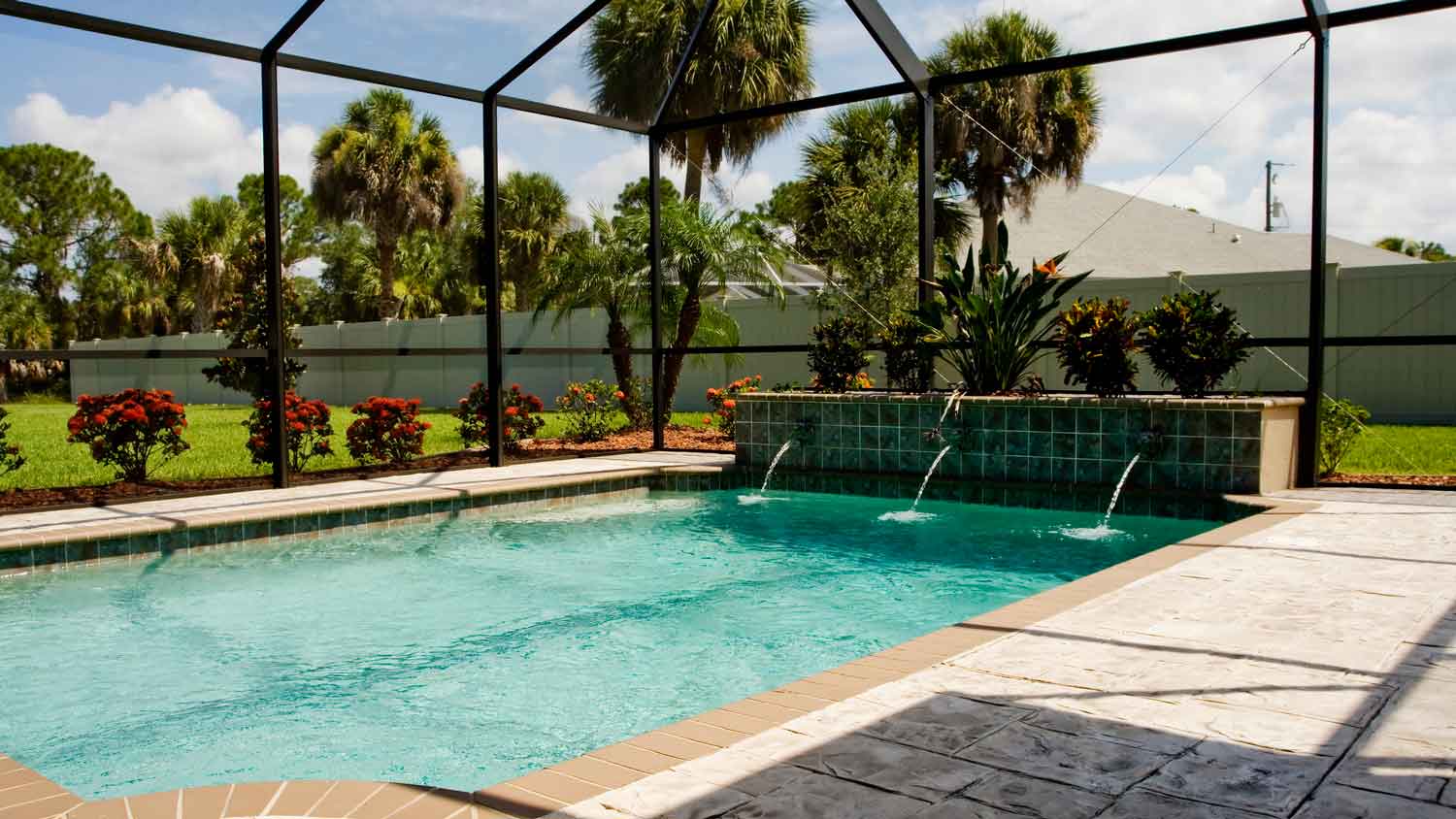







Top-rated pool table assembly pros.

Get matched with top pool table assembly pros in Thorntown, IN

Enter your zip and get matched with up to 5 pros

Need a pro for your pool table assembly project in Thorntown, IN?

Select your specific project to find the pro for you.

TRUSTED BY THORNTOWN, IN HOMEOWNERS

  • Average homeowner rating star icon4.3
    Average homeowner rating
  • Verified reviews icon125
    Verified pool table assembly services reviews

Find Pool table assembly pros in Thorntown

...
Showing 1-10 of 146
Pool Table Assembly questions, answered by experts

No, stock tank pools do not get too hot, even when they are set up in a sunny location. Many stock pools are made with galvanized steel and are designed not to get too hot to touch. When your pool is full of water, it is less likely to get hot. The water might be warmer than it would be in an above-ground pool, but it will not be uncomfortable.

If you have kids and want to be extra cautious about the temperature of the stock tank, you may want to set up an umbrella for shade over the pool area.

Concrete pools are very durable but can crack if not properly maintained. The most significant risk is winter weather and low temperatures when water can seep into crevices and freeze. To avoid damage, use the proper winterization chemicals, and don’t completely drain your pool. Concrete pool repairs cost around $75 per linear foot for small cracks.

Yes, pools provide a safe, covered, and cool environment for frogs to lay eggs. Frogs also require calm water to lay their eggs, so having a constant flow of water from a pool pump or water feature will deter frogs from laying eggs in your pool.

There are a few differences when it comes to winterizing above- vs. inground pools. Above ground pool winterization usually involves less hassle, time, and expense than the process for winterizing an inground pool. All the lines on an above ground pool are easy to access, making draining easier. Plus, above ground pools are typically smaller, meaning cleaning is quicker, and chemicals cost less.

You should add chlorine within 48 hours of filling your pool with water. In just 24 hours, bacteria and algae will begin to grow and contaminate your water. After that point, you’ll need to shock the water with high levels of chlorine, and you’ll likely need to do additional vacuuming to get the pool clean. It’s important to check your chlorine levels two to three times a week and add more chlorine as needed to maintain a healthy level.

The Thorntown, IN homeowners’ guide to pool table assembly services

From average costs to expert advice, get all the answers you need to get your job done.