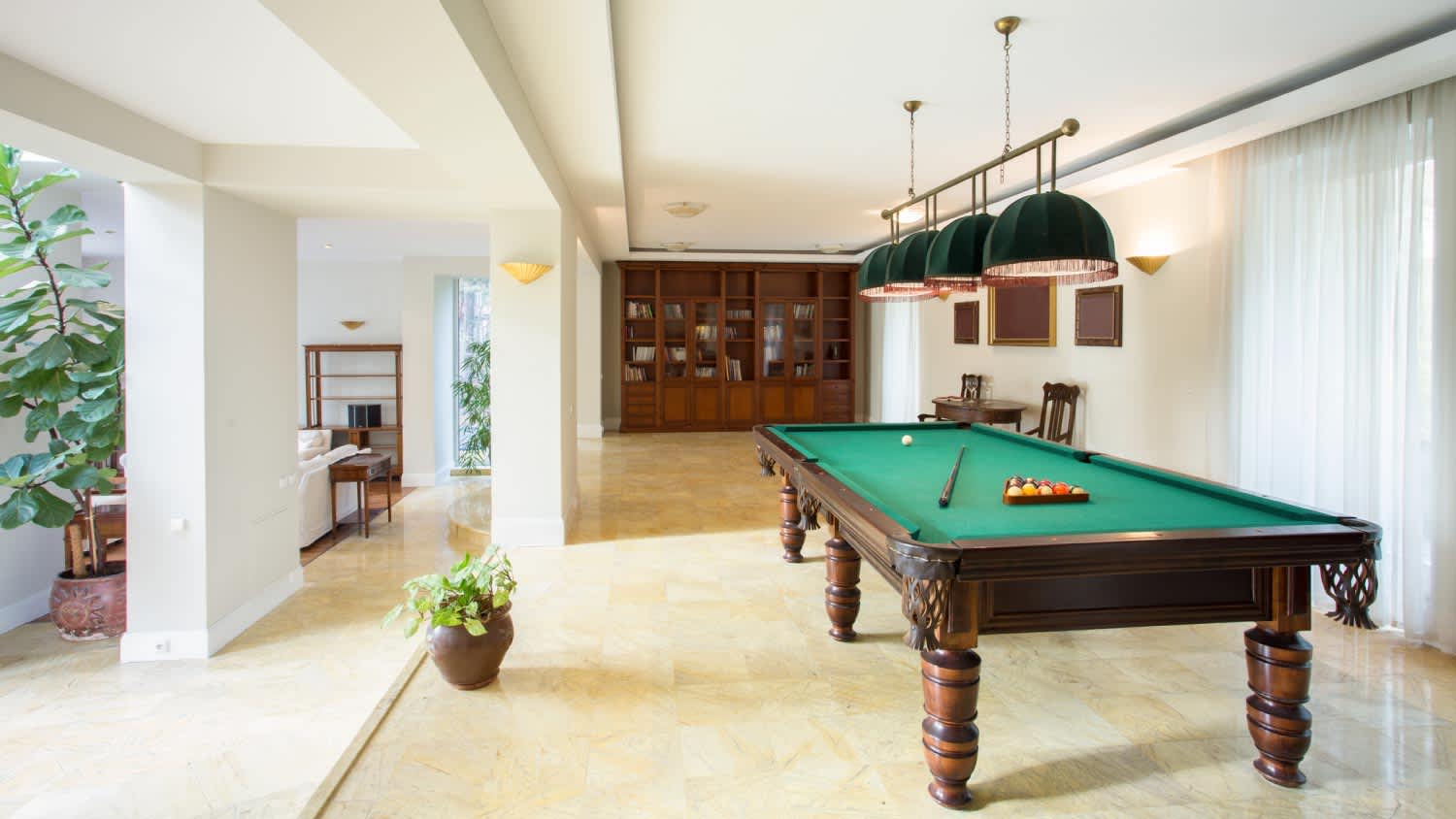






Top-rated pool table assembly pros.

Get matched with top pool table assembly pros in North Salem, IN

Enter your zip and get matched with up to 5 pros

Need a pro for your pool table assembly project in North Salem, IN?

Select your specific project to find the pro for you.

TRUSTED BY NORTH SALEM, IN HOMEOWNERS

  • Average homeowner rating star icon4.4
    Average homeowner rating
  • Verified reviews icon459
    Verified pool table assembly services reviews

Find Pool table assembly pros in North Salem

...
Showing 1-10 of 166
Pool Table Assembly questions, answered by experts

Shipping container pools last up to 25 years. On average, they’re more durable than the standard aboveground pool, which only lasts 10 to 20 years. Their durability is similar to fiberglass in-ground pools. Concrete pools, on the other hand, outlive almost any other type of pool. They can last indefinitely as long as you resurface them as needed.  

Endless pool may refer to one of two things. For some, it’s a term used interchangeably with infinity pool. Because infinity pools don’t have a visible edge, they look endless. For others, it’s a brand of jetted lap pool. Endless pools are engineered to fit in small spaces, but provide the benefits of a full-sized pool (think: aquatic exercise or hydrotherapy). You can even use them indoors, and they’re relatively budget-friendly because of their small size.

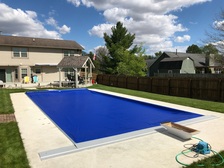
Rectangular pools are the most popular inground pool shape, due to their adaptability to different uses, from swimming laps to hosting parties. These pools can easily include other sought-after features, such as tanning ledges, waterfalls, sport nets, and more. Rectangular pools are also often easier to install and maintain, and prefabricated rectangular pools generally have a shorter installation time, so you can start enjoying your pool faster.

Yes, pool pumps use a significant amount of electricity, making them one of the biggest energy consumers in a home. A pool pump can use up to three times as much electricity as a refrigerator. Typically, a residential pool pump consumes about 1 kilowatt-hour (kWh) for every hour it runs. Because pumps often need to run for about eight hours a day to properly filter the water, this can add up to an annual consumption of 3,000 to 5,000 kWh, which can cost between $480 and $800 per year based on average electricity rates.

The amount of electricity your pump uses depends on its size, energy efficiency, and daily run time. To lower your energy consumption, you can choose an energy-efficient or variable-speed pump, ensure it is correctly sized for your pool, and run it only for the minimum time required to keep the water clean.

Off-season pool-building prices often align with the time of year you're least likely to use a pool. Many contractors offer deals in the late fall and winter to bolster the slow time of year. However, if you live in an area with freezing winters, you'll need to wait beyond the final frost and threats of extreme weather.

The North Salem, IN homeowners’ guide to pool table assembly services

From average costs to expert advice, get all the answers you need to get your job done.