






Top-rated roofers.

Get matched with top roofers in Spiceland, IN

Enter your zip and get matched with up to 5 pros

Need a pro for your roofing project in Spiceland, IN?

Select your specific project to find the pro for you.

TRUSTED BY SPICELAND, IN HOMEOWNERS

  • Average homeowner rating star icon4.6
    Average homeowner rating
  • Verified reviews icon76
    Verified roofing services reviews

Find Roofers in Spiceland

Avatar for Eads Roofing & Exteriors
Eads Roofing & Exteriors
4.9(
97
)
Asphalt Shingle Roofing - Install or ReplaceAsphalt Shingle Roofing - RepairInspection - Roofing+26 more

Serving Spiceland, IN and surrounding areas

Approved

In business since 2017

Free estimates

Emergency services offered

"I worked with James and he was fantastic to work with. We submitted my claim to insurance company and they denied it but James knew what to do next. We submitted and appraisal and my roof was covered. James is super nice and helpful. He would answer all my questions even if at crazy times of the day. My roof looks great with Owens Corning dimension shingles which James helped me pick out. I would high recommend them for your roofing needs."
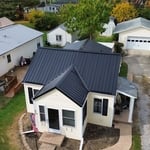
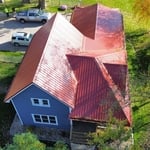
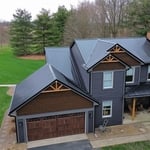
Additional Photos
Additional Photos
Additional Photos
Additional Photos
Additional Photos

+9

Response time3 days
Response rate100%
10 neighbors recently requested a quote
Avatar for Normile Protective Coatings
Normile Protective Coatings
4.4(
152
)
Sealant for Roof - ApplySealant for Roof - Apply- For Business

Serving Spiceland, IN and surrounding areas

Approved

In business since 2018

Free estimates

Credit card accepted

"Joe is who I worked with and he was very quick to respond, polite, reasonable priced and got the work done when he said he would. Sealed around chimney and vents on roof, cleaned, replaced boards and stained deck, looked like new again, when he was done. I was so impressed I have already referred him to my sister and friends. I will definitely use them again!"
Response time1 day
Response rate96%
25 neighbors recently requested a quote
...
Showing 1-10 of 246
Roofing questions, answered by experts

The proper specifications for furring strips can vary, so you should always consult the roofing manufacturer's guidelines or your roofer. However, general recommendations are as follows:

  • Thickness: Furring strips are typically 1 to 1-1/2 inches thick, meaning standard 1-by or 2-by lumber works well. In areas with extreme winds, a thinner strip may be preferred to limit how much air can get under the roof and cause uplift. A thicker strip can add slightly more insulation but will also increase installation costs.

  • Spacing: The recommended spacing for furring strips is between 12 and 24 inches apart on center. Proper spacing is crucial for ensuring good airflow, adequate drainage, noise reduction, and better energy efficiency. The ideal spacing can depend on the roof's pitch and the specific type of metal roofing being installed.
Yes, a roof blister can cause a leak if it gets to the point where it pops. Prior to popping, a roof blister is just an aesthetic issue, but once it pops, you’re left with a small hole in the shingle. Water from rain and snow can easily get inside this hole and interact with your underlayment, roof decking, and the building material below.

Unfortunately, there’s no definitive answer to this question, but the wind rating of your shingles will give you a good idea of what wind speeds can damage your roof. If you’re concerned about damage, inspect your roof following windy conditions to look for signs of wind damage to your shingles. When in doubt, consider hiring a professional who fixes roofs to carry out an expert inspection. Remember that hurricanes, tropical storms, and tornadoes are likely to cause the most damage, but even severe thunderstorms can bring winds that compromise your roofing system.

No, there’s no specific building code that requires a roof overhang. However, installing your roof with the standard 2-inch overhang is good practice, as it helps direct runoff away from your fascia boards and roof decking and into your gutters. Some overhang is especially important in areas that see heavy rainfall and snowfall, as the risk of water getting under the roofing material and causing water damage is much higher.

No, you should not close or cover your gable vents in the winter. While it might seem logical to block cold air, heating your home creates hot air that rises and can cause condensation in the attic. If the vents are covered, this moisture becomes trapped, creating an ideal environment for mold and mildew. Keeping the gable vents open ensures proper ventilation, which helps dry out the attic, maintain even temperatures, and prevent moisture-related damage.

The Spiceland, IN homeowners’ guide to roofing services

From average costs to expert advice, get all the answers you need to get your job done.