



Top-rated asphalt driveway pros.

Get matched with top asphalt driveway pros in Fairland, IN

Enter your zip and get matched with up to 5 pros

Need a pro for your asphalt driveway service project in Fairland, IN?

Select your specific project to find the pro for you.

TRUSTED BY FAIRLAND, IN HOMEOWNERS

  • Average homeowner rating star icon4
    Average homeowner rating
  • Verified reviews icon113
    Verified asphalt driveway services reviews

Find Asphalt driveway pros in Fairland

Avatar for Showecker Masonry
Showecker Masonry
4.3(
256
)
Brick and Stone Driveways & Floors - Install

Serving Fairland, IN and surrounding areas

Approved

Super Service Award Winner

In business since 1989

Warranties offered

Customers say: Terrific value

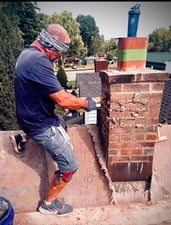
"The brick on our chimney was failing, and Mr. Showecker removed the faulty brick, found new brick that matched and installed it quickly and for a reasonable price. Several years later, when we had an additional problem not related to the first project, he returned and addressed the problem at no charge. He does a great job and goes above and beyond to make the customer happy. His wife Linda, who handles the business and customer service side, is quite nice and responsive too. I highly recommend these folks to anyone with a masonry issue."
Outdoor fireplace
Additional Photos
Additional Photos
Additional Photos
Additional Photos

+50

Response time12 hrs
Response rate100%
3 neighbors recently requested a quote
Avatar for Sanders and Sons Masonry
Sanders and Sons Masonry
4.8(
100
)
Brick and Stone Driveways & Floors - Install

Serving Fairland, IN and surrounding areas

Approved

In business since 2008

Free estimates

Credit card accepted

"Tuck pointing is still in progress, but beautiful work so far. Sidewalk is also excellent. Highly recommend Tim Sanders. Not cheap, but fair - shouldn't expect this level of skill to be cheap."
2 neighbors recently requested a quote
Recommended by89%of homeowners
...
Showing 1-10 of 290
Asphalt Driveways questions, answered by experts

Like all driveway materials, asphalt can crack in the wrong conditions and with age. Many things can cause asphalt to crack, including shifting soil or settling under the foundation. Other common causes are driving oversized vehicles on the asphalt, tree roots, and using rock salt during the snowy season. Proper installation and sealing the driveway every 10 years can help prevent cracks.

An ideal driveway gradient is between 2% and 5%. Anything lower than 1% or higher than 15% can cause problems for your car or property. A driveway with less than a 1% slope increases your likelihood of flooding and water damage, while a driveway with a 15% grade or higher can be too steep for safe traveling.

In most cases, you don’t need a permit to repave your driveway, although some exceptions exist. If you’re widening your driveway and plan on widening the apron as well, you’ll usually need a permit from the Department of Transportation in your area. This permit costs between $50 and $300 in most cases. Most municipalities will also require a certified and insured contractor do the work relating to the apron and curb cut. You can contact your building department or ask your paving company if you need a permit. Your driveway professional will usually pull the permit for you.

The three most common types of asphalt are hot asphalt, MC cold mix, and UPM asphalt. Hot asphalt is used most often for paving and patching roadways while it’s hot and workable. MC cold mix asphalt cures more slowly than hot asphalt, but it can be used for temporary patches and repairs in low-traffic areas. UPM is also used cold, but it can be used as a longer-term fix, usable in almost any conditions at almost any temperature.

While blacktop is a type of asphalt, the terms should not be used interchangeably, as not all asphalt qualifies as blacktop. The primary differences are in their composition, production process, and ideal applications. Blacktop contains more stone than other types of asphalt and is heated to a higher temperature during production—300°F or more—while hot-mix asphalt is heated to between 275°F and 300°F. The ratio of bitumen (a tar-like crude oil) is a key differentiator, though sources vary: some state blacktop has less bitumen, making it less durable, while others claim it has a higher ratio. Due to these differences, asphalt is generally more durable and better for high-traffic areas like highways and streets, while blacktop is more suitable for playgrounds and residential driveways. For a driveway project, it is best to consult a professional to determine the most appropriate material.

The Fairland, IN homeowners’ guide to asphalt driveway services

From average costs to expert advice, get all the answers you need to get your job done.