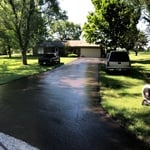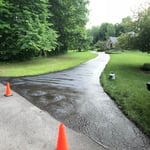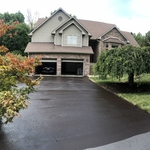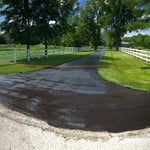



Top-rated paving pros.

Get matched with top paving pros in Clayton, IN

Enter your zip and get matched with up to 5 pros

Need a pro for your paving service project in Clayton, IN?

Select your specific project to find the pro for you.

TRUSTED BY CLAYTON, IN HOMEOWNERS

  • Average homeowner rating star icon4.3
    Average homeowner rating
  • Verified reviews icon298
    Verified paving services reviews

Find Paving pros in Clayton

Indy Hotworks Paving & Seal Coating
4.8(
8
)
Asphalt Paving - InstallAsphalt Paving - Install- For BusinessAsphalt Paving - Repair or Patch - For Business

Serving Clayton, IN and surrounding areas

Approved

In business since 2017

Free estimates

Offers commercial services

"Indy Hotworks does excellent work. I hired them to pave my driveway at my home as well as our parking lot at church. They did a wonderful job. Very nice person too. Very friendly and pleasant to do business with."
Response time2 days
Response rate89%
4 neighbors recently requested a quote
...
Showing 1-10 of 182
Paving Services questions, answered by experts

If your new pavers look dull or unclean, it is likely due to efflorescence, a chalky, white powder that forms when lime in the pavers gets wet. This condition often resolves on its own, as rain will naturally wash it away within about a year. For faster results, you can use a pressure washer to clean the pavers. Alternatively, consider using cleaning products specifically designed to remove efflorescence or applying sulfuric acid crystals.

The ideal distance between stepping stones depends on your design preference. A general rule is to place them about 24 inches apart from center to center to match an average person's stride. Another common approach is to leave about 6 inches of space between the edges of each stone; this can be adjusted to fit the path's total length without cutting pavers. If you plan to plant between the stones, leave at least 6 to 8 inches of space to give the plants room to grow.

Your city or county will have guidelines about the minimum and maximum width and length of private roads. The average private road is 12 feet wide, and length, of course, depends on your property. Requirements also depend on the amount of traffic and types of vehicles your road experiences. Check with local ordinances before planning a road on your property.

Paving is a part of hardscaping, so all paving is hardscaping, but not all hardscaping is paving. Paving involves laying down concrete or asphalt, while hardscaping can also include the use of paving stones, bricks, gravel, wood, and more. Hardscape features that involve paving are considered permanent and will increase your property taxes, while some other hardscaping features—like those involving bricks, gravel, and paving stones—will not affect property taxes. Paving also typically requires a permit, while hardscaping features considered temporary will not.

Asphalt dries and cures best between 50 and 85 degrees Fahrenheit. This range allows moisture to evaporate quickly without causing the asphalt to cool too fast, which can negatively affect the drying process. However, keep in mind that other weather conditions can also affect curing and drying times, such as precipitation and humidity.

The Clayton, IN homeowners’ guide to paving services

From average costs to expert advice, get all the answers you need to get your job done.