





Top-rated excavation pros.

Get matched with top excavation pros in Versailles, IN

Enter your zip and get matched with up to 5 pros

Need a pro for your excavation project in Versailles, IN?

Select your specific project to find the pro for you.

TRUSTED BY VERSAILLES, IN HOMEOWNERS

  • Average homeowner rating star icon4.8
    Average homeowner rating
  • Verified reviews icon15
    Verified excavation services reviews

Find Excavation pros in Versailles

Avatar for WSC Drainage
WSC Drainage
4.9(
5
)
Landscape - Minor Grading or Resloping

Serving Versailles, IN and surrounding areas

Approved

In business since 2020

Free estimates

Credit card accepted

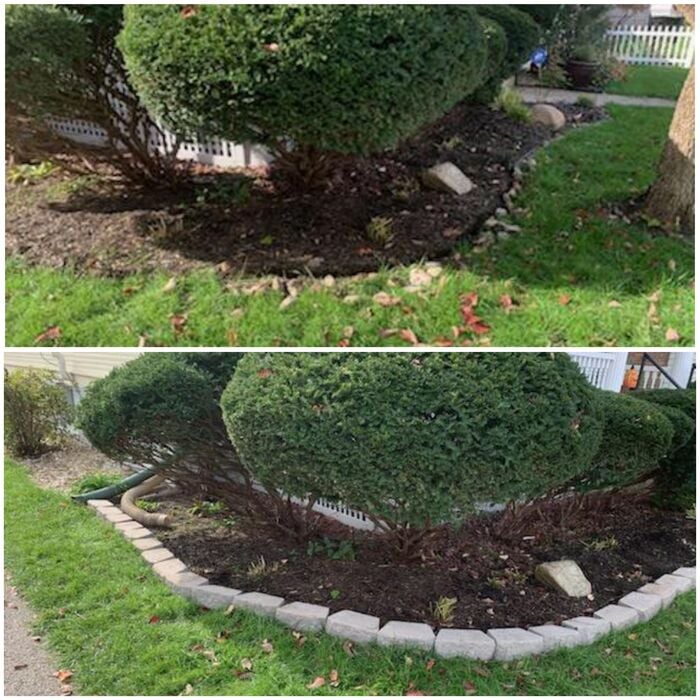
"Very happy with the work to be done. Completed job as promised and on schedule. Area was cleaned up and lawn was reseeded and covered with straw.,"
Drainage
Drainage
Drainage
Drainage
Drainage

+6

Response time2 days
9 neighbors recently requested a quote
Recommended by75%of homeowners

...
Showing 1-10 of 89
Excavating questions, answered by experts

Landscape edging is more DIYable than trenching. You can DIY your own digging projects, but proceed carefully and only with proper knowledge of the equipment and appropriate safety measures in place. Keep in mind the project's scope and estimate how long it will take you to do it on your own. While you can certainly save money by DIYing home improvement projects, you can’t exactly hide an unfinished—or worse, ruined— landscaping job from the neighbors. It’s always safer to call an excavation pro near you to get an estimate.

The cost to drill a well varies, with a national average of around $5,500 for a 150-foot well. However, prices can fluctuate significantly based on several factors, including your location, the required well depth, geological conditions, local regulations, and the specific drilling methods used. For the most accurate cost assessment, it is best to research and get quotes from local well-drilling professionals in your area.

Most residential basements are 8 to 10 feet deep. You can dig deeper depending on building codes, but it does become more difficult. You’ll likely need to install stronger foundation walls and additional supports to handle the increased load. Depending on the water table, you may also need a water management system. Clay soil can support a deeper foundation than sandy soil. A structural engineer will be able to tell you the maximum, feasible depth.

There is no standard depth for burying a septic tank; they are typically buried anywhere from 4 inches to 4 feet underground. The final depth depends on several factors, including the depth of your main sewer line, the height of the bedrock, soil type, local regulations, and the property's landscape. If you plan to grow grass or plants over the tank, a depth of at least 4 to 6 inches is recommended. Deeper tanks can be more difficult to locate, but a septic professional can help find it for you.

Sewer lines can be buried anywhere from 18 inches to 8 feet deep, with a common average depth between 18 and 30 inches. The exact depth depends on local factors like climate and soil type. In colder regions, pipes must be buried deeper (below the frost line) to prevent freezing, sometimes as deep as 8 feet. The digging depth can also impact the cost of sewer line replacement. To find the specific depth for your property, you can check the building plans for your system, which should be on file with your city or local sanitation department since permits are required for installation.

The Versailles, IN homeowners’ guide to excavation services

From average costs to expert advice, get all the answers you need to get your job done.