
Top-rated radon detection and reduction specialists.

Best radon detection and reduction specialists near Willow Springs, IL

Enter your zip and get matched with up to 5 pros

Need a pro for your radon detection and reduction project in Willow Springs, IL?

Select your specific project to find the pro for you.

Top-Rated Radon detection and reduction specialists in Willow Springs - Updated Nov 2026

Avatar for Clean Air Radon Systems, Inc.
Clean Air Radon Systems, Inc.
4.8(
27
)
Radon Gas - Abatement

Serving Willow Springs, IL and surrounding areas

Approved

In business since 2017

Free estimates

Warranties offered

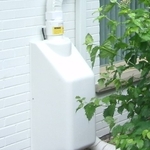
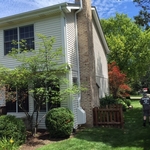
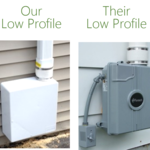
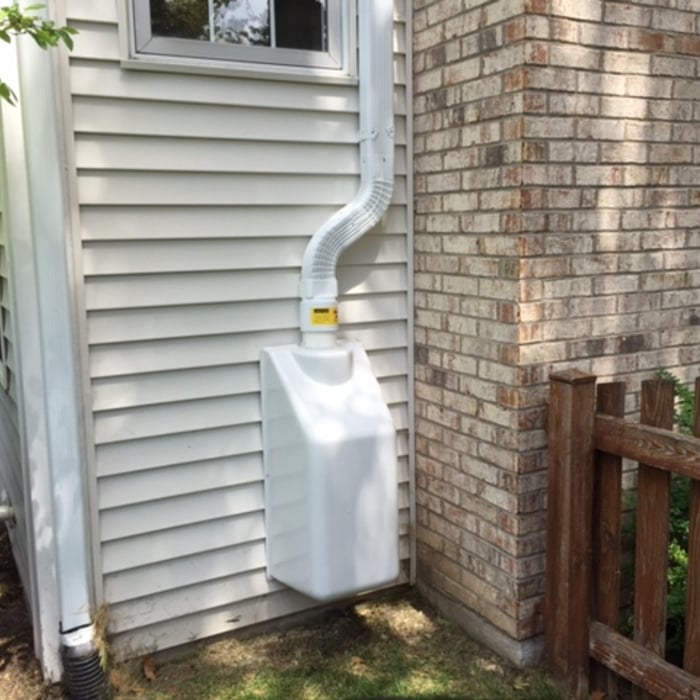
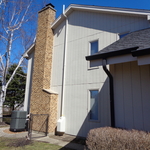
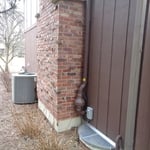
"As a Realtor, Schan has done many of my clients' radon system install and they all were extremely please with his knowledge, install and his going above and beyond to make the system appealing from the exterior of the home. Many companies will not make the effort to ensure that the system does not look unsightly. Schan does and he is an expert at what he does. I would only recommend Schan to my clients!"
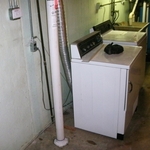
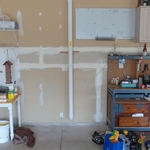
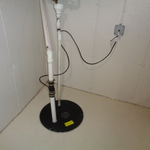
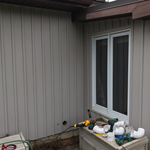
pipe in garage
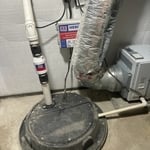
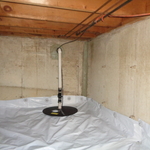
2) Main suction point
3) Our secondary suction point
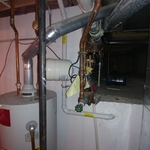
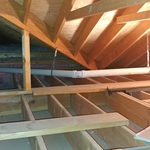
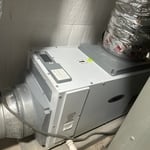
4) Fan in attic
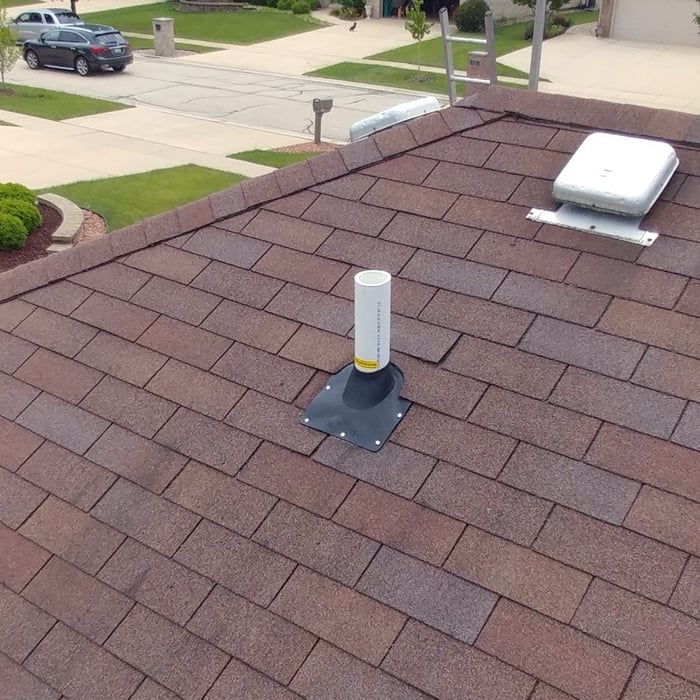
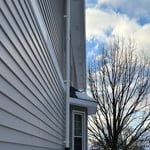
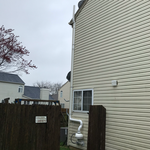
5) vented through roof

+18

Response time11 hrs
13 neighbors recently requested a quote
Recommended by85%of homeowners

Avatar for Midwest Radon Services, Inc.
Midwest Radon Services, Inc.
4.7(
39
)
Radon Gas - Abatement

Serving Willow Springs, IL and surrounding areas

Approved

In business since 2010

Free estimates

Emergency services offered

"We had a radon remediation installed by them in 2021. We've had to replace the fan 2x already- whereas the expected lifetime of a fan is 8-10 years."
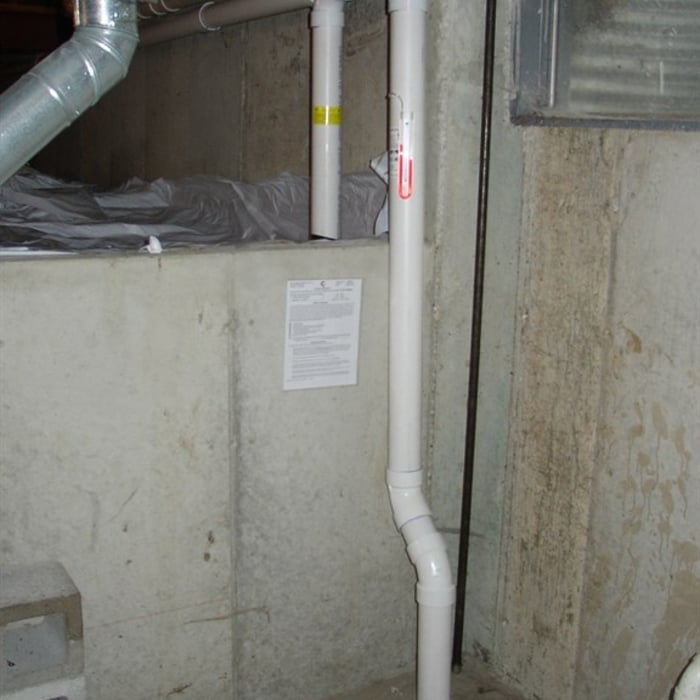
SF-180
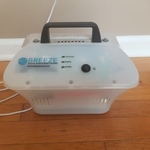
Painted Slimline Fan and couplings
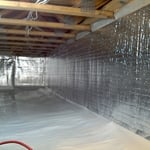
90 mil Foil Backed Liner
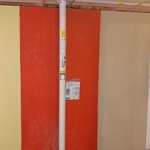
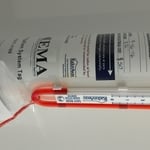
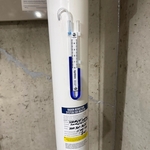
U-Tube Monometer & Sticker with State Tag
RP-145

+26

Response time1 day
6 neighbors recently requested a quote
Recommended by93%of homeowners
Showing 1-10 of 24
Radon Detection and Reduction FAQs, answered by experts

Many radon fans carry a five-year manufacturer's warranty. That said, your radon fan should last between five and ten years. Regular inspections will ensure the fan is operating properly. Unusual or exceptional noise coming from the fan or indications on your manometer or system monitor can immediately tell you that something is amiss.

While DIY testing is possible, abatement generally requires professional installation to ensure efficacy and meet safety standards.

Keeping radon from getting into your home is much better than having to get rid of it once it's already indoors. While there may not be a way to fully prevent radon from getting into your home, there are things you can do to reduce the gas's ability to enter. 

Sealing foundation cracks and openings can help keep the gas from seeping inside. Improving air flow, such as by opening windows, can also be helpful. If you're building your home from scratch, talk to your contractor about using radon-resistant construction to keep the gas out.

You'll need to test your home for radon after installing the mitigation system, then again every two years. If radon remains elevated, contact a licensed radon professional, either the contractor who installed the system or a different one, and have them evaluate the system. They may need to make some changes to improve its effectiveness and performance.

The average radon mitigation system uses about 876 kWh of electricity per year, although the exact amount of electricity used will vary depending on the size of the radon fan. Once the system is installed, the annual increase to your energy bill could range from $30 to $300 per year, again depending on the size of the fan.

The Willow Springs, IL homeowners’ guide to radon detection and reduction services

From average costs to expert advice, get all the answers you need to get your job done.