






Top-rated retaining wall installation pros.

Get matched with top retaining wall installation pros in Washington, IL

Enter your zip and get matched with up to 5 pros

Need a pro for your retaining wall installation project in Washington, IL?

Select your specific project to find the pro for you.

TRUSTED BY WASHINGTON, IL HOMEOWNERS

  • Average homeowner rating star icon4.4
    Average homeowner rating
  • Verified reviews icon86
    Verified retaining wall installation services reviews

Find Retaining wall installation pros in Washington

Avatar for VanOppen Construction LLC
VanOppen Construction LLC
4.3(
6
)
Retaining Wall - Install

Serving Washington, IL and surrounding areas

In business since 2023

Free estimates

Credit card accepted

"Vanoppen Construction has done several jobs for me over the past year and I have been nothing but satisfied! They are friendly and easy to work with. I will continue to use them and highly recommend them to anyone wanting a 100% complete job!"
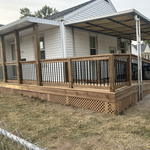
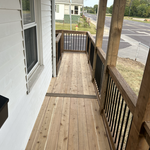
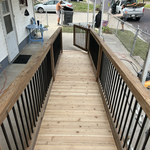
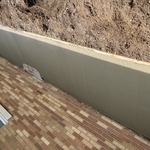
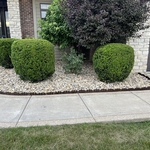
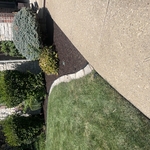
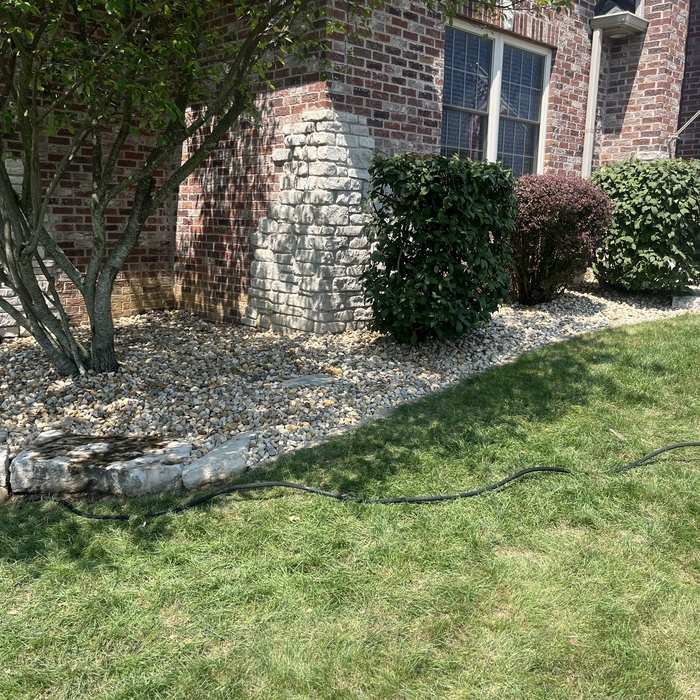
Additional Photos
Additional Photos
Additional Photos
Additional Photos
Additional Photos

+38

Recommended by83%of homeowners
Showing 1-10 of 24
Retaining Wall Installers questions, answered by experts

Failure to compact the soil during construction is the most common cause of leaning retaining walls. In addition, poor drainage can lead to excessive water pressure behind a retaining wall, pushing against it until it begins to move forward away from the soil it is holding back.

Small retaining walls still require a foundation of some kind, typically a concrete footing. This helps to ensure the wall is structurally sound and prevents the ground from shifting over time, especially during those winter freeze/thaw cycles. The footing helps spread the weight of the wall and the load it carries over a larger area of the ground, thus assisting with stability. This is true of small retaining walls, larger rock garden walls, and the like. 

While vinyl is the least costly material for building a retaining wall, the most cost-effective method is to use wood or concrete blocks for a DIY retaining wall under 2 feet tall. Wood is inexpensive but lasts 20 years or more with care. Concrete can cost a little more but is stronger and will last longer with less maintenance.

If you don’t backfill a retaining wall—either at all or adequately enough—the wall won’t drain well, and water will be able to pass through it. Poor drainage will lead to a warped wall or a buildup of hydrostatic pressure, which can eventually collapse your retaining wall. If you have particularly sloped land, consult a structural engineer to ensure your hardscaping is adding value to your home.

Options include concrete, stone, brick, and wood, tailored for specific design needs.

The Washington, IL homeowners’ guide to retaining wall installation services

From average costs to expert advice, get all the answers you need to get your job done.