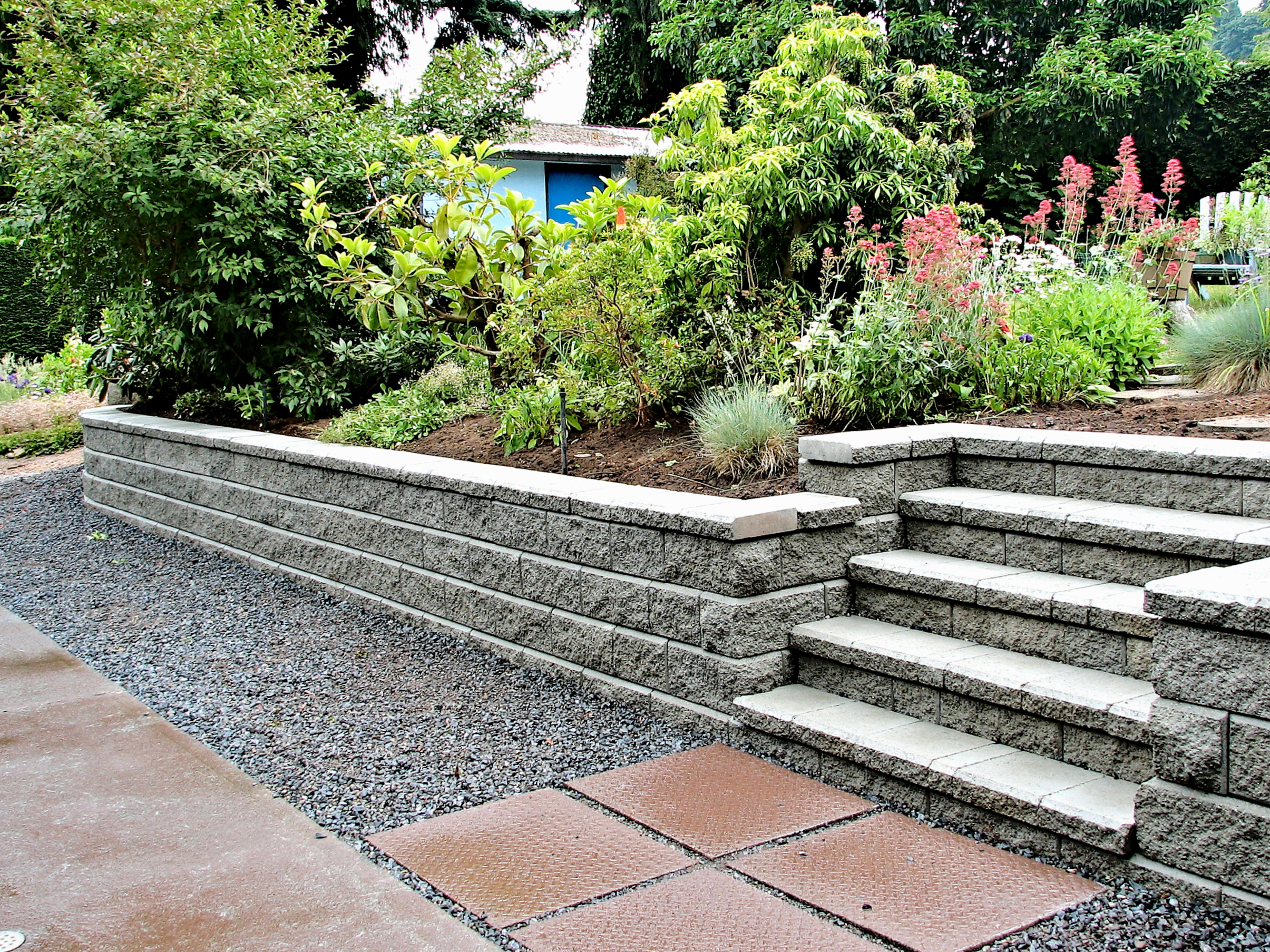







Top-rated retaining wall installation pros.

Get matched with top retaining wall installation pros in Dunlap, IL

Enter your zip and get matched with up to 5 pros

Need a pro for your retaining wall installation project in Dunlap, IL?

Select your specific project to find the pro for you.

TRUSTED BY DUNLAP, IL HOMEOWNERS

  • Average homeowner rating star icon4.4
    Average homeowner rating
  • Verified reviews icon119
    Verified retaining wall installation services reviews

Find Retaining wall installation pros in Dunlap

Showing 1-10 of 25
Retaining Wall Installers questions, answered by experts

If you've decided you'd like to skip the cost of restoring a brick exterior wall after considering whether you should repair or replace brick on your house, you can consider installing fiber cement siding over brick for a cost of $2 to $6 per square foot. When done properly, cement siding over brick offers a durable, low-maintenance option that can actually reduce your home's energy costs. It's also attractive. However, improper installation or installation over heavily compromised brick can cause water damage. 

Most railroad tie retaining walls have a life span of 20 to 30 years, though you may need to replace your wall sooner if it’s repeatedly exposed to heavy rain, runoff, and excess moisture. Railroad ties are typically treated with creosote, which makes them much more durable than untreated wood. Though they last longer, they don’t last forever. For the most longevity, make sure your retaining wall has a sturdy base and steel reinforcements. You should also install drainage to direct water away from the wall.

Small retaining walls still require a foundation of some kind, typically a concrete footing. This helps to ensure the wall is structurally sound and prevents the ground from shifting over time, especially during those winter freeze/thaw cycles. The footing helps spread the weight of the wall and the load it carries over a larger area of the ground, thus assisting with stability. This is true of small retaining walls, larger rock garden walls, and the like. 

Generally speaking, a retaining wall should be between 3 and 4 feet high, depending on variables such as the wall-building material, the purpose of the retaining wall, and more. If you want your retaining wall to be taller than 4 feet, check with your local building ordinance office for the maximum allotment. You may also need a special permit for retaining walls over 4 feet tall.

If you don’t backfill a retaining wall—either at all or adequately enough—the wall won’t drain well, and water will be able to pass through it. Poor drainage will lead to a warped wall or a buildup of hydrostatic pressure, which can eventually collapse your retaining wall. If you have particularly sloped land, consult a structural engineer to ensure your hardscaping is adding value to your home.

The Dunlap, IL homeowners’ guide to retaining wall installation services

From average costs to expert advice, get all the answers you need to get your job done.