

This guide features information on the costs to repair a brick wall, whether or not you need a brick mason to complete spalling, tuckpointing, or a full restoration.
Give your brick proper TLC

Your brick replacement needs depend on the damage level: small mortar cracks and surface chips need simple repairs, while spalling or major cracks require full replacement.
Expect to pay $500 to $1,000 for minor brick repairs and $900 to $20,000 for brick replacement, depending on the extent of damage and underlying issues.
Check your bricks for bowing walls, significant efflorescence, or spalling, as these signs indicate serious water damage or structural problems that need immediate attention.
Hiring a local masonry professional provides reliable help with mortar repairs and brick replacement, plus diagnosis of underlying water damage or structural issues.
Brick is an ancient building material, often lasting hundreds of years—so long as it's been given the proper maintenance and TLC. Knowing when it’s appropriate to repair or replace your home’s brick will help preserve your home’s structure for dozens of years, and keep your brick looking fresh, clean, and not a day over 80.
Brick is a remarkably resilient building material, and can last 80–100 years or even longer. That said, like anything else, it can be damaged beyond repair and might need to be replaced—here’s how to know when to repair your brick instead of replacing it.
| Repair | Replace |
|---|---|
| The mortar is damaged, not the brick | Severe cracking |
| Damage is surface level, such as a small chip | Structural damage (bowing or sagging walls) |
| If there is slight damage from a storm or animal | Significant efflorescence |
| Evidence of spalling |
Brick is one of the longest-lasting building materials; it has been around for centuries. The average life span for brick is between 80 and 100 years, but it often lasts much longer, especially with regular brick maintenance and care.
To keep your brick home in tip-top shape, have the masonry inspected annually—make sure to check for water damage, any crumbling or cracking, signs of mildew or mold, spalling, and plant growth.
Every year, you should also have your brick gently cleaned with mild detergent and water. During the cleaning, you should also unclog any weep holes; these are holes that are placed throughout a masonry structure to help the water drain away from the brick and increase airflow.
Finally, every 20 or 30 years, repoint the mortar on your brick home. This will not only help your brick stay sound, but it will keep it looking fresh for bonus curb appeal.
The cost to make minor repairs to brick can range from $500 to $1,000, depending on how many bricks need to be repaired and the extent of the damage—this is the ballpark cost for repairing cracks or tuckpointing.
To replace bricks, which is necessary if your existing bricks are spalling, you should expect to spend between $900 to $1,200 on average, if there are only a few sections to replace. For large sections of a wall, the cost can be as high as $20,000.
If you have large cracks and see signs of structural damage, such as bowing or sagging, there is likely a major underlying issue that needs to be addressed in addition to the brick replacement. Some of these repairs could include:
Tree root removal: A tree’s roots could be pushing into your home’s foundation
Soil pressure: Clogged gutters could lead to a buildup of soil pressure
Foundation problems: Homes with water damage, sinkholes, or uneven settling could have bowing or sagging walls, or develop extreme cracks
The work to fix these underlying problems could cost anywhere from $400 to $20,000 or more, but signs of structural damage should never be ignored—they can quickly balloon and become even more costly (and dangerous).
Very minor damage can be repaired on bricks or on its surrounding mortar; if you aren’t familiar with masonry work, it’s always best to hire a local masonry professional to complete the repair. These tasks are complicated and if you aren’t knowledgeable about this kind of work, you could cause more damage than existed in the first place.
While bricks can last 100 years or longer, mortar has a life span of about 20 to 30 years, so it often needs to be replaced or repaired more often. If you’ve noticed some mortar on your home starting to develop small cracks or chips, you can patch the mortar to give it new strength and better support its surrounding bricks.
Whether you know the source of the damage—a wild animal, a hailstorm, or something else entirely—or not, as long as the crack or chip in the brick is very superficial and there are no other signs of structural damage, you can have the brick patched up rather than replacing it.

Bricks are strong but susceptible to damage, particularly from water. It’s important to watch for water damage and replace any affected bricks promptly.
Medium cracks (⅛ to ¼-inch wide) and large cracks (over ¼-inch) should both be examined by a nearby masonry expert. While you should have these bricks replaced to ensure the other bricks are supported, the professional will also need to check for structural problems, water damage, or other underlying factors.
Water damage, poor construction, age, or lack of maintenance can cause brickwork to bow; you should first diagnose the cause of the problem and make sure to have that addressed, then complete any necessary restoration work on your brick.
A little bit of efflorescence—a white staining caused by salt deposits—is usually nothing to worry about, and easily removed with a pressure washer or diluted vinegar. If it starts to appear in large blotches on your brick, however, this could be an indication of underlying water damage and necessitate brick replacement (as well as water damage restoration work).
Spalling refers to the surface or top layer of a brick breaking down and falling off. When this happens, the softer interior of the brick is exposed to the elements and much less structurally sound. Spalling brick needs to be replaced.
The guys at PaveWay are top notch. From the estimate to the job being completed,all was done in a timely and professional manner. I myself was a DOT Engineer Inspector(know what to look for) and got to talking with Cameron and he himself was a Contract inspector for a few years,same job as...
 All Star Paving and Sealing
I highly recommend KTM construction! I will look no where else for anything that needs to be done, in or out side of our property. The level of craftsmanship is 5 star service across the board! The level of detail, knowledge and professionalism is 5 star service across the board! Ken is a...
 KTM Construction, LLC
I purchased the "Big Deal": $199.00 for exterior pressure-washing of one- or two-story home up to 2,000 square feet. They cleaned the siding only. I wasn't aware when I bought the Big Deal that they would not do any other surfaces other than the siding (i.e. sides of the gutters or stucco). I...
 Complete Home Services
This brownstone is historical and the carpentry work is very detailed. I was very happy to secure a company in NY and living in OH to complete the request. Wood work on this brownstone has been existing since approximately 1888 and West side did a GREAT JOB. I will not be able to...
 Westside Home Improvement
Nice group of workers, very friendly. Day 1 covered everything before starting, seemed very organized. Things seemed to be going great. Day 2 they didn't show up until around 10:00a.m. and work crew was cut in half, was told they had another job. Day 3 they didn't show up until around...
 CertaPro Painters of Columbus
The work went great! Couldn't ask for better. Joel set a work start date. About the time of the storms that may have been associated with Sandy. He was half a day late. They set up on a Thursday. On Friday they had a full crew at work. By Monday they were finishing up. Now, the best...
 NJW Construction
A few months ago, a tree branch fell across my car, leaving a series of dents across the hood and driver's side fender. I took it to Rife's after reading the Angie's List reviews. Rife's did a great job! My car looks like new. And they made the process as easy as possible. When I came in...
 Rife's Autobody Inc
I received an email from Angie's List offering Car Detailing 4 U's services for $99. Coming from Angie's List, I expected this to be a highly dependable and qualified company that was known for doing exceptional work. I set the appointment for them to come to my home. They were arrive at...
We first had Mark fix the back patio and liked his work so much we had him make a brick patio on the side of the house. When we decided to change our concrete walkway to brick, we wanted Mark to do the job because his prices were fair and he did such good work on t he other two projects.
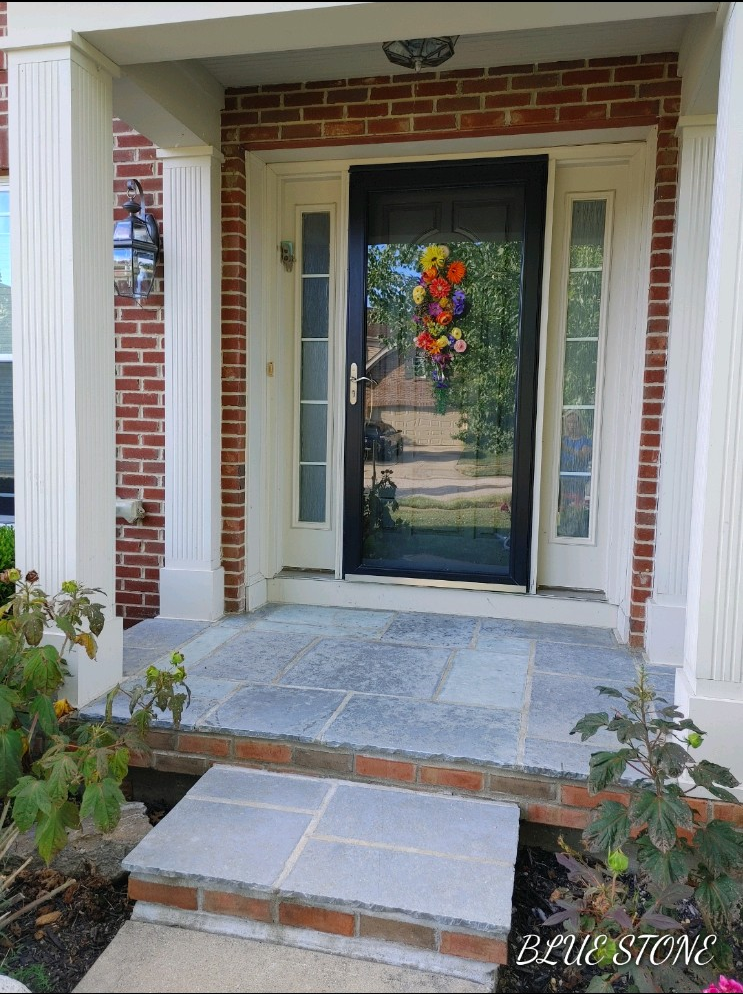 Mark Monnette Masonry
I was very pleased with the cost and end result. I truly expected this job to cost me 50% more than it did. When you factor quality and cost, I would highly recommend Mark's services and plan to use him in the future. The best part was, I asked Mark to match the paint color in one section...
 Fresh Touch Custom Painting Inc.
From average costs to expert advice, get all the answers you need to get your job done.
This guide features information on the costs to repair a brick wall, whether or not you need a brick mason to complete spalling, tuckpointing, or a full restoration.
The cost to brick a house depends on several factors, like labor costs, home size, and brick types. Use our guide to estimate your bricking costs.

The cost to build a brick house is high, but the aesthetic and durability can be well worth the investment if you’re looking for something unique.
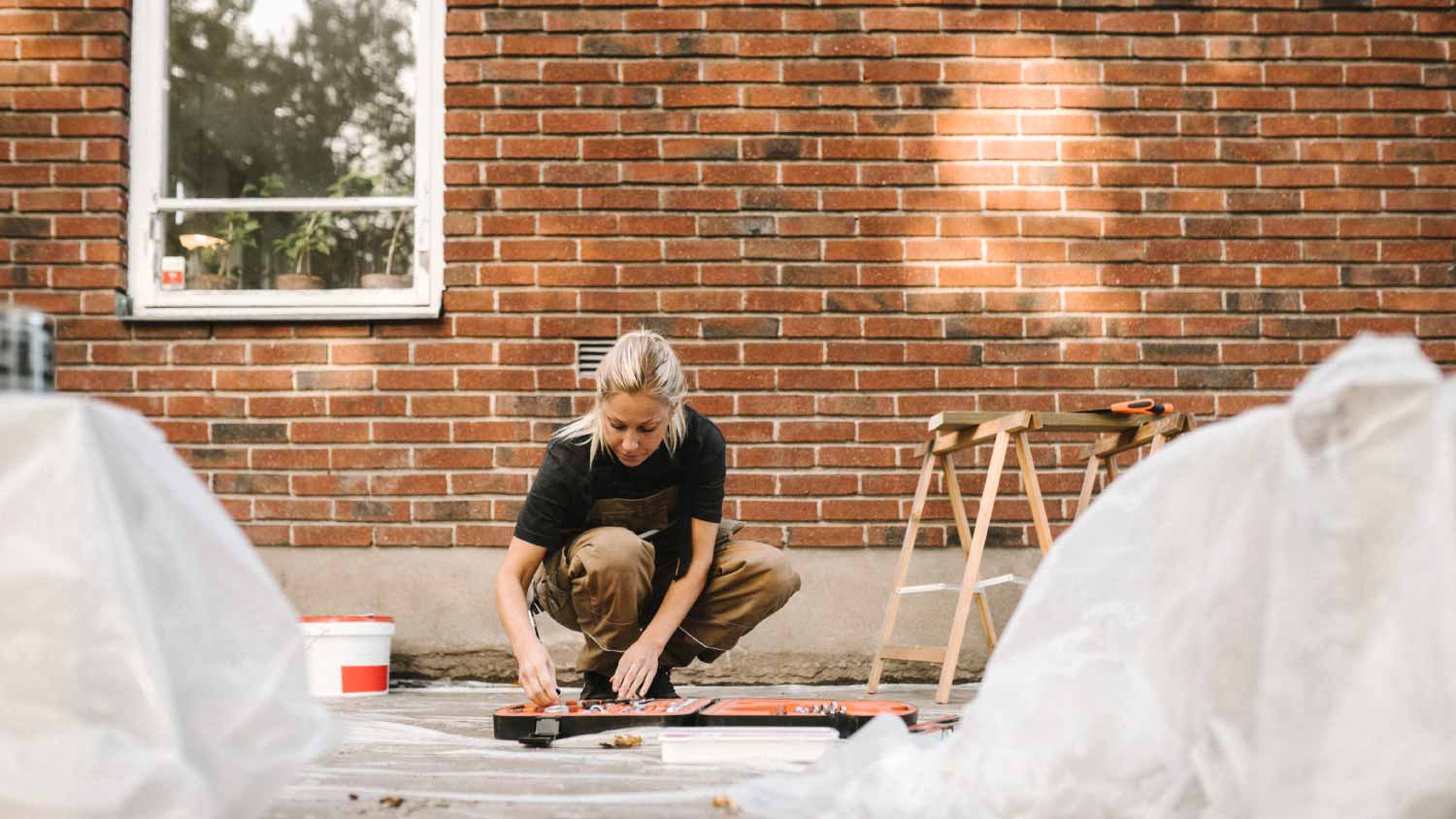
When you notice small cracks or damaged sections of a brick wall, they need your attention. Use this guide to handle minor brick wall repairs.
Brick houses were the standard of the 19th and 20th centuries, and they’re looking to make a comeback. Find out if a brick exterior is right for you.
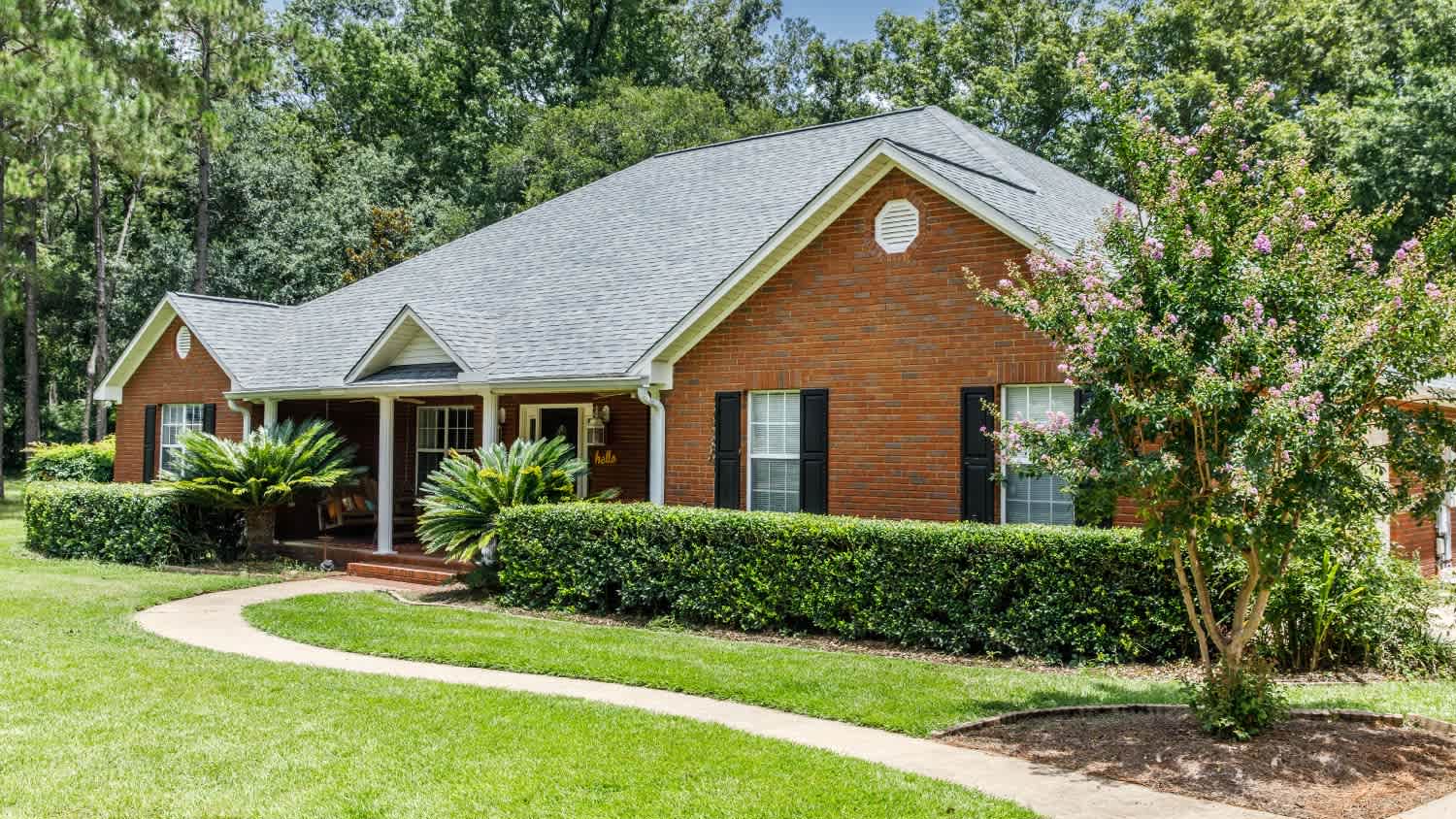
Maintaining a brick home requires inspections, cleaning, and sealing. Learn essential brick house maintenance tips to prevent rot, mold, mildew, and structural issues.