


Top-rated arborists.

Best arborists near Round Lake, IL

Enter your zip and get matched with up to 5 pros

Need a pro for your arboricultural service project in Round Lake, IL?

Select your specific project to find the pro for you.

TRUSTED BY ROUND LAKE, IL HOMEOWNERS

  • Average homeowner rating star icon4.4
    Average homeowner rating
  • Verified reviews icon2.4k+
    Verified arboricultural services reviews

Top-Rated Arborists in Round Lake - Updated Nov 2026

Avatar for Jose's Trees, Inc.
Jose's Trees, Inc.
4.7(
403
)
Tree RemovalTree TrimmingTree Removal - For Business+3 more

Serving Round Lake, IL and surrounding areas

Approved

Super Service Award Winner

In business since 2010

Free estimates

Emergency services offered

"I am so happy to have found a tree company I can trust. They did an amazing job removing three trees and trimming one. They quoted me a great price, got the job down within 4 days, and cleaned up everything! It felt like I never even had trees there. I am so impressed and plan on using them this summer to handle the entire backyard."
Cottonwood
Response time7 hrs
Response rate94%
3 neighbors recently requested a quote
Avatar for Power Tree Removal, Inc.
Power Tree Removal, Inc.
4.5(
283
)
Tree RemovalTree TrimmingTree Removal - For Business+1 more

Serving Round Lake, IL and surrounding areas

Approved

Super Service Award Winner

In business since 1996

Free estimates

Credit card accepted

"Juan isn't just a person with a team who can remove large trees with efficiency; he is an arborist who really has vision of what can be done with a property. I recommend him not only for tree removal but for planting and landscape work. And the value that you get for the price is just great."
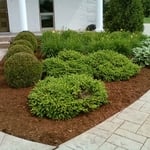
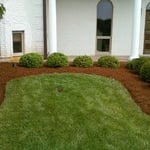
Landscaping mulch and planting
Mulch and Planting bushes
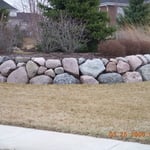
Rock work
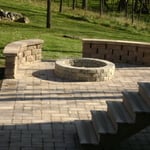
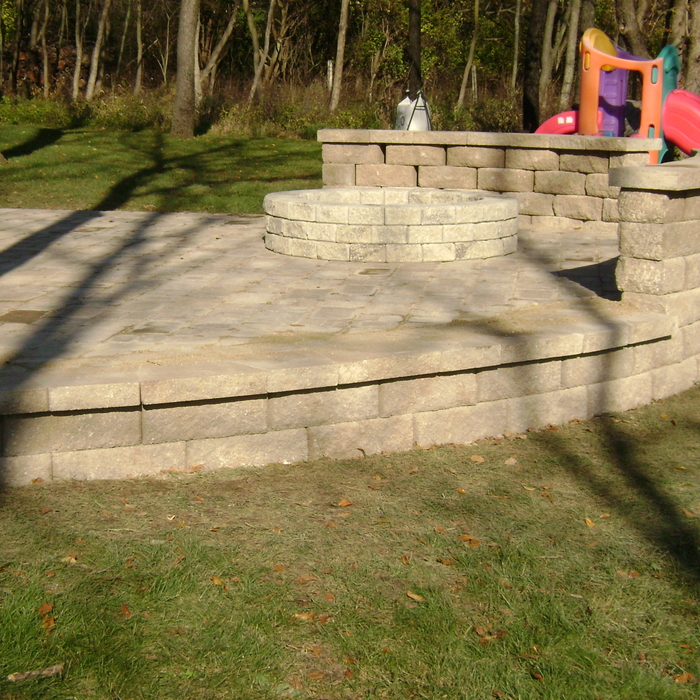
Pavers
Pavers

+6

Response time12 hrs
Response rate93%
647 neighbors recently requested a quote
Avatar for Tapia Landscaping
Tapia Landscaping
4.8(
27
)
Tree RemovalTree Trimming

Serving Round Lake, IL and surrounding areas

Approved

In business since 1990

Free estimates

Emergency services offered

"I had a great overall experience. From the quote to the follow up after the service was done. The owner took time to educate me and answer my questions. I certainly value patient and kind professional! My front bad back yard is ready for winter. I am looking forward to the spring clean up now. Now I have a team on who I can count."
Response time1 day
4 neighbors recently requested a quote
Recommended by96%of homeowners
...
Showing 1-10 of 231
Arborists FAQs, answered by experts

As a general rule, the protected area should be about 1½ times as wide as the canopy of the tree’s leaves. This digging measurement can vary by tree species and the age of the tree. Of course, that can be a lot of fencing for larger trees, which is why our first step is about making difficult decisions on which trees to save.

Yes, cutting a tree's roots can cause it to fall, particularly if major support roots are severed. In extreme cases, trimming roots can affect the tree's structure and stability. Many crucial roots are located just below the soil's surface. If you make severe cuts to roots more than 2 inches in diameter, you risk impacting the tree's water flow and its ability to withstand severe winds or storms. Even cutting roots less than half an inch in diameter under or outside the tree's canopy can cut off its water supply, causing it to decline, die, and eventually topple.

An arborist specializes in tree care, performing tasks such as pruning, treating diseases, and removing hazardous trees. They also assess soil conditions, plant trees, and develop landscaping plans to ensure healthy growth. They also manage debris cleanup, inspect equipment, and record maintenance activities. Arborists often collaborate with landscapers and professional tree maintenance services, applying their specialized knowledge and problem-solving skills to maintain tree health and safety.

Early signs that a tree is struggling include premature leaf shedding and lesions or other strange markings. Peeling bark, dead or rotten branches on the ground, and a conspicuous lack of leaves can all be signs that a tree has started to die. By the time a tree starts leaning, it’s usually too far gone to save.

It takes anywhere from three to seven years for a stump to decompose on its own. This timeframe can depend on the kind of tree and your climate. The lower to the ground the stump is, the faster it rots. If you kill a tree stump with salt, boiling water, herbicide, light deprivation, or burning, the tree stump decomposes faster. 

The Round Lake, IL homeowners’ guide to arboricultural services

From average costs to expert advice, get all the answers you need to get your job done.