




Top-rated fire pit installation pros.

Get matched with top fire pit installation pros in Riverwoods, IL

Enter your zip and get matched with up to 5 pros

Need a pro for your fire pit installation project in Riverwoods, IL?

Select your specific project to find the pro for you.

TRUSTED BY RIVERWOODS, IL HOMEOWNERS

  • Average homeowner rating star icon4.5
    Average homeowner rating
  • Verified reviews icon999
    Verified fire pit installation services reviews

Find Fire pit installation pros in Riverwoods

No results for Fire pit installation pro in

Try adjusting your search criteria.
Fire Pit Installation questions, answered by experts

A spark arrestor is not the same as a chimney cap. Both sit on the top of the chimney. However, the cap keeps debris from entering the chimney, and the spark arrestor’s primary function is to prevent burning embers from escaping. Some spark arrestors are integrated into the chimney cap, and others are installed separately.
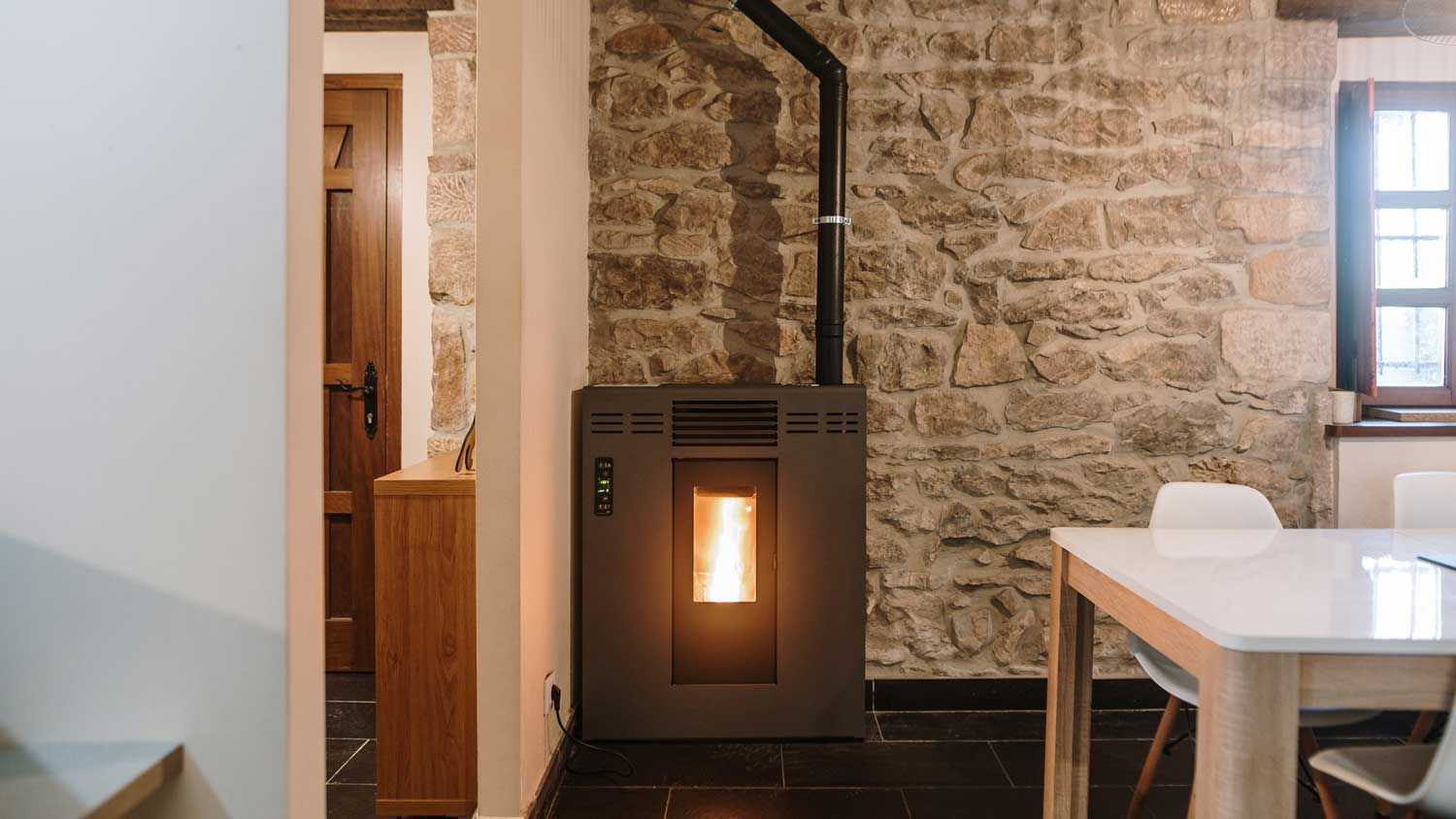
Pellet stoves are safer than wood stoves in many ways. They don’t produce as many creosote deposits as wood stoves do, they create less smoke, and the flames are contained, decreasing the risk of any sparks or embers creating a house fire. Pellet stoves also burn more cleanly and efficiently than wood stoves do.

Glass block windows aren’t fire hazards; fire-rated glass block windows can increase your home’s fire safety. Modern glass blocks are made with materials that can resist high temperatures and prevent fire spread. Most offer a 45-minute fire rating, while some increase it to two hours. Compared to the typical 20 to 90 minute rating for a double-pane window, glass block can increase your home’s safety in the event of a fire.

Chimney caps are necessary both from a building safety standpoint in most municipalities and to keep your home protected from a variety of issues. Chimney caps are not only mandated by building code in most areas, but they also serve to keep squirrels, raccoons, and other pests out of your home, as well as snow and rain. Therefore, they help to avoid property damage, making them a worthwhile investment.

Yes, you should seal and cap an unused chimney to protect it from damage. Sealing the structure helps prevent moisture damage, which can lead to issues like cracks, spalling, efflorescence, and damaged mortar joints. Capping the chimney is also crucial to prevent blockages, damage from invasive critters, and downdrafts, while still allowing for proper air ventilation to manage moisture. For the best results, consult a chimney professional to select the right type of chimney or flue cap for your home. It's also wise to continue with annual chimney inspections to maintain the structure's integrity.

The Riverwoods, IL homeowners’ guide to fire pit installation services

From average costs to expert advice, get all the answers you need to get your job done.