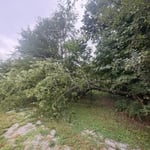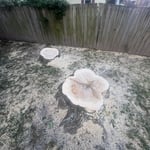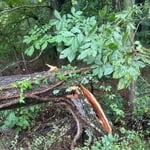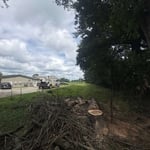



Top-rated tree service pros.

Get matched with top tree service pros in Pana, IL

Enter your zip and get matched with up to 5 pros

Need a pro for your tree service project in Pana, IL?

Select your specific project to find the pro for you.

Find Tree service pros in Pana

Avatar for J&L Construction
J&L Construction
4.7(
3
)
Tree RemovalTree Stump - RemoveTree Trimming

Serving Pana, IL and surrounding areas

In business since 2018

Free estimates

Credit card accepted

We take great pride in our experience, expertise, quality, and customer service that we provide to meet the consumer's needs. It is our mission to provide excellent workmanship and complete customer satisfaction from start to completion of a project. In order to understand the needs and expectations of our customers, we take great care to work and communicate with every customer in a professional manner. Our reputation is based on service, safety, and quality, regardless of how large or small the job.

Response time12 hrs
Recommended by100%of homeowners
Showing 1-10 of 39
Tree Service questions, answered by experts

The recovery time for pruning depends on how much you prune, the species of tree, and how well you care for it afterward. All trees grow new wood and often sprout additional branches after pruning. Ideally, trees should recover from normal pruning after one or two years. Heavy pruning or slow-growing trees may take several years to fully recover.

The speed of your tree root removal process depends on a few different factors, including the size and type of tree. However, the fastest method of killing tree roots is applying chemical herbicide, which starts working quickly and efficiently. But this removal method has its drawbacks, such as having a negative effect on the surrounding vegetation and landscaping. Other options like rock salt and stump grinding work relatively quickly and cause less damage to your yard.

If you’re wondering whether you can plant a tree where the stump was removed, know that the soil conditions won’t be ideal, so you should avoid it. The soil beneath the previous tree will likely be depleted of nutrients, plus there may be roots left behind that will seriously hinder the growth of a new tree. Also, if you use salt or other chemical solutions to kill the stump, these can linger in the soil for months or even years and prevent healthy growth. It’s best to choose a different spot that’s at least three feet away for a new tree, or wait at least a year and thoroughly amend the soil before you plant.

A tree can grow back from its stump, but full regrowth is unlikely (especially for more stubborn conifer trees). Instead, trees are more likely to send up a number of shoots from the dead stump, which will try to develop into primary stems over time. In other words, it will start to look increasingly bushy. The goal of killing and drying out a tree stump is to prevent that from happening, as well as make the stump easier to completely remove.

Using vinegar to kill tree roots is just one of the clever ways to use vinegar around the house. The method works best when you apply vinegar as directly to the root system as possible. For example, if the old tree roots and stump are currently exposed, drill holes in the tops of the roots and pour undiluted white vinegar into the holes to soak into the plant. Remember that vinegar can kill the surrounding grass and plants should it pour over the edge.

The Pana, IL homeowners’ guide to tree services

From average costs to expert advice, get all the answers you need to get your job done.