




Top-rated fire pit installation pros.

Get matched with top fire pit installation pros in Crete, IL

Enter your zip and get matched with up to 5 pros

Need a pro for your fire pit installation project in Crete, IL?

Select your specific project to find the pro for you.

TRUSTED BY CRETE, IL HOMEOWNERS

  • Average homeowner rating star icon4
    Average homeowner rating
  • Verified reviews icon201
    Verified fire pit installation services reviews

Find Fire pit installation pros in Crete

No results for Fire pit installation pro in

Try adjusting your search criteria.
Fire Pit Installation questions, answered by experts

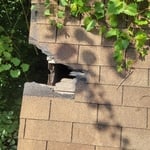
Yes, you should seal and cap an unused chimney to protect it from damage. Sealing the structure helps prevent moisture damage, which can lead to issues like cracks, spalling, efflorescence, and damaged mortar joints. Capping the chimney is also crucial to prevent blockages, damage from invasive critters, and downdrafts, while still allowing for proper air ventilation to manage moisture. For the best results, consult a chimney professional to select the right type of chimney or flue cap for your home. It's also wise to continue with annual chimney inspections to maintain the structure's integrity.

The short answer is yes, but the longer answer is more complex. Unless the fireplace is ventless by design, you’ll need some type of exhaust pipe system to safely send fumes and other harmful byproducts out of the house. Even then, ventless fireplaces are not always permitted because they do keep the byproducts inside of your house. Ventless fireplaces are safest when installed in spaces that are themselves well-ventilated, like large rooms with lots of windows.

Yes, a chimney damper is necessary. It controls airflow in and out of your fireplace, helping to retain heat when closed and allowing smoke to escape when open. Without a damper, your home could lose warmth during cold months, leading to higher energy bills. It also helps prevent downdrafts and keeps animals or debris from entering the chimney. In short, it’s essential for efficiency and safety.

A spark arrestor is a simple metal mesh device that prevents flammable particles from escaping from a combustion source and causing a fire. You typically find these attached to gas or diesel engines on things like cars, generators, and garden tools (lawnmowers, chainsaws, etc.). Fireplace or wood-burning stove chimneys also have spark arrestors attached to or sitting under the chimney cap to capture burning embers.

A smoke alarm that beeps periodically, often every 30 to 60 seconds, usually indicates a low battery. The first step is to replace the battery. If this doesn't solve the problem, try resetting the alarm. However, beeping can also signal other issues, such as dust buildup in the sensors or the unit reaching the end of its life. Different beep patterns can mean different things; for example, multiple beeps might indicate an issue with a combination carbon monoxide detector, while a continuous, loud alarm means smoke has been detected. If a new battery doesn't stop the beeping, it's best to consult your alarm's manual, call a professional, or replace the unit.

The Crete, IL homeowners’ guide to fire pit installation services

From average costs to expert advice, get all the answers you need to get your job done.