







Top-rated fire pit installation pros.

Get matched with top fire pit installation pros in Thornton, IL

Enter your zip and get matched with up to 5 pros

Need a pro for your fire pit installation project in Thornton, IL?

Select your specific project to find the pro for you.

TRUSTED BY THORNTON, IL HOMEOWNERS

  • Average homeowner rating star icon4.1
    Average homeowner rating
  • Verified reviews icon212
    Verified fire pit installation services reviews

Find Fire pit installation pros in Thornton

No results for Fire pit installation pro in

Try adjusting your search criteria.
Fire Pit Installation questions, answered by experts

Yes, an electrical fire can start even if nothing is plugged into an outlet. While a correctly functioning outlet poses no risk, a fire can be caused by faulty wiring, damaged outlet components, an overloaded circuit, or other electrical problems hidden behind the walls. If you suspect a fault, immediately turn off the circuit breaker and contact a professional electrician to diagnose and repair the issue.

A chimney requires both a cover and a cap, but these parts often get confused with one another. A chimney cover seals the top of the chimney around the flue pipe to prevent water from entering the chimney. A chimney cap is a piece that sits above the flue to prevent animals, debris, and water from entering the flue.

Some Christmas lights are marked as being “UL Safety Certified” or Underwriters Laboratories Safety Certified. This lab is a trusted source for determining the safety standards of electrical products—you should make sure your Christmas lights have this label. Brush up on other electrical safety tips before installing any lighting features. 
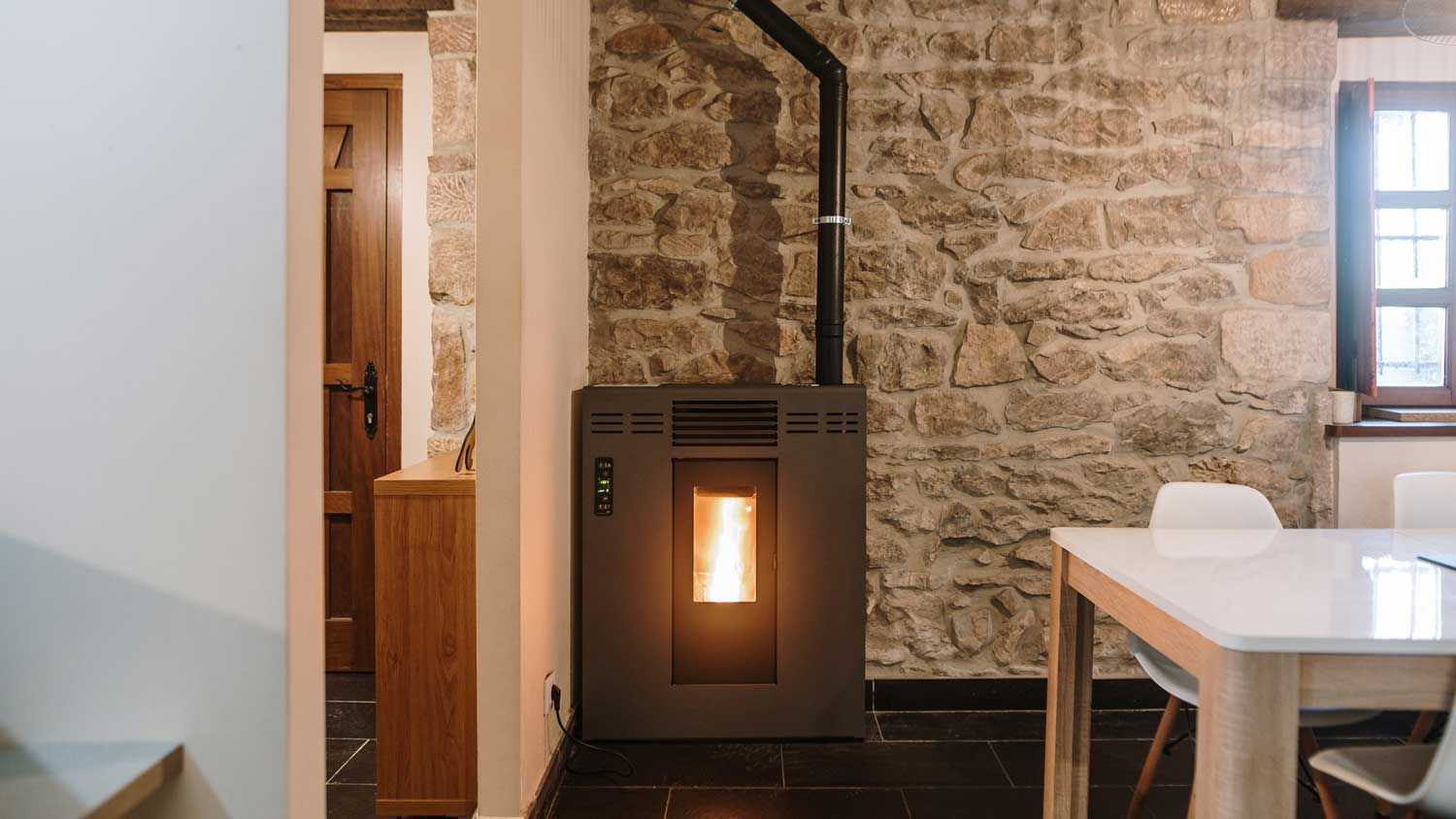
Regular professional chimney cleaning and a well-fitting chimney cap are two of the most effective measures to help prevent flue blockages. Annual cleaning keeps the flue from developing a thick layer of creosote. The chimney cap keeps debris out and stops critters from going down your flue for shelter while carrying clog-worthy nesting material.

No, but they both serve distinct life-saving purposes. Smoke detectors primarily sense the presence of smoke, typically caused by a fire, and emit loud alarms to alert occupants to evacuate. In contrast, carbon monoxide detectors monitor the levels of carbon monoxide gas, an odorless and colorless but deadly substance produced by incomplete combustion of fuels. When CO levels become dangerous, CO detectors sound alarms to warn inhabitants of potential poisoning risks. 

The Thornton, IL homeowners’ guide to fire pit installation services

From average costs to expert advice, get all the answers you need to get your job done.