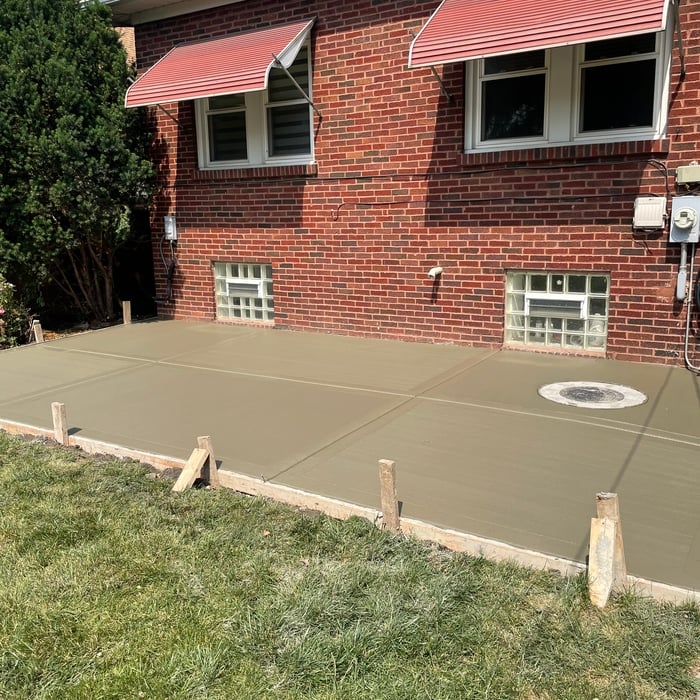




Top-rated asphalt driveway pros.

Get matched with top asphalt driveway pros in Burnham, IL

Enter your zip and get matched with up to 5 pros

Need a pro for your asphalt driveway service project in Burnham, IL?

Select your specific project to find the pro for you.

TRUSTED BY BURNHAM, IL HOMEOWNERS

  • Average homeowner rating star icon4.5
    Average homeowner rating
  • Verified reviews icon46
    Verified asphalt driveway services reviews
Asphalt Driveways questions, answered by experts

Sometimes, when people talk about asphalt driveways, they’re actually referring to asphalt concrete, which is a completely different compound. Asphalt concrete is asphaltic cement combined with sand or grit. It is significantly more lasting and durable than regular asphalt but also much more expensive. If you’re considering using asphalt concrete, ask an asphalt company for their expert opinions.

A solid driveway starts with the right asphalt mix, and for most homes, dense-graded hot mix asphalt (HMA) is the most recommended. It’s both durable and flexible, making it a reliable choice for residential use. A properly compacted 2-3 inch layer on a well-prepared crushed stone base will hold up for years. In areas with harsh winters or scorching summers, a slightly modified mix can help prevent cracking and rutting. No matter the climate, quality installation is just as important as the material itself, so hiring an experienced contractor ensures a smooth, long-lasting driveway built to last.

Instead of a set number of types, asphalt comes in variations designed for different needs. Some are categorized by temperature—hot mix, warm mix, and cold mix. Others are sorted by composition, like dense-graded, gap-graded (such as Stone Matrix Asphalt), porous, and mastic asphalt. There are also modified versions with added compounds like polymers, rubber, or emulsions. Instead of focusing on a number, it may be more useful to understand how contractors customize asphalt for durability, climate, and traffic conditions.

While blacktop is a type of asphalt, the terms should not be used interchangeably, as not all asphalt qualifies as blacktop. The primary differences are in their composition, production process, and ideal applications. Blacktop contains more stone than other types of asphalt and is heated to a higher temperature during production—300°F or more—while hot-mix asphalt is heated to between 275°F and 300°F. The ratio of bitumen (a tar-like crude oil) is a key differentiator, though sources vary: some state blacktop has less bitumen, making it less durable, while others claim it has a higher ratio. Due to these differences, asphalt is generally more durable and better for high-traffic areas like highways and streets, while blacktop is more suitable for playgrounds and residential driveways. For a driveway project, it is best to consult a professional to determine the most appropriate material.

If you’re looking for a similar, eco-friendly driveway material, you might consider one of these options:

  • Permeable pavement: This material is sometimes called “pervious” or “porous” pavement; it allows stormwater to drain into the subbase, eliminating storm drain costs. 

  • Gravel: Consider paving your driveway with locally sourced gravel. By sourcing from a nearby source, your money won’t fund international shipping and will be invested back into your local community.

  • Natural stone pavers: Because natural stone pavers are made from organically-produced stone, there’s no new manufacturing required, limiting the environmental impact. In addition, water easily flows and drains through the gaps in the pavers.

The Burnham, IL homeowners’ guide to asphalt driveway services

From average costs to expert advice, get all the answers you need to get your job done.

What do you need done? We’ll find top pros.
  • 🌱 "Mow a small front yard"
  • 🛠 "Fix a leaking pipe under the sink"
  • 🏠 "Repair shingles on an asphalt roof"