
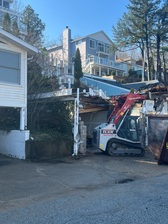
Top-rated asphalt driveway pros.

Best asphalt driveway pros near Hammond, IN

Enter your zip and get matched with up to 5 pros

Need a pro for your asphalt driveway service project in Hammond, IN?

Select your specific project to find the pro for you.

TRUSTED BY HAMMOND, IN HOMEOWNERS

  • Average homeowner rating star icon4.4
    Average homeowner rating
  • Verified reviews icon62
    Verified asphalt driveway services reviews

Top-Rated Asphalt driveway pros in Hammond - Updated Nov 2026

Avatar for Cornejo Demolition
Cornejo Demolition
4.9(
44
)
Concrete Driveways & Floors - Install- For Business

Serving Hammond, IN and surrounding areas

Approved

Super Service Award Winner

In business since 2022

Free estimates

Small jobs welcome

"Eli and his team did an excellent job in removing our basketball hop from our driveway. After removal he cleaned up all of the dirt that was on the driveway. I recommend Cornejo Demolition for any of your demolition / concrete work services."
Demolition
Demolition
Demolition
Demolition
Demolition

+252

Response time5 hrs
Response rate95%
14 neighbors recently requested a quote
...
Showing 1-10 of 247
Asphalt Driveways FAQs, answered by experts

While blacktop is a type of asphalt, the terms should not be used interchangeably, as not all asphalt qualifies as blacktop. The primary differences are in their composition, production process, and ideal applications. Blacktop contains more stone than other types of asphalt and is heated to a higher temperature during production—300°F or more—while hot-mix asphalt is heated to between 275°F and 300°F. The ratio of bitumen (a tar-like crude oil) is a key differentiator, though sources vary: some state blacktop has less bitumen, making it less durable, while others claim it has a higher ratio. Due to these differences, asphalt is generally more durable and better for high-traffic areas like highways and streets, while blacktop is more suitable for playgrounds and residential driveways. For a driveway project, it is best to consult a professional to determine the most appropriate material.
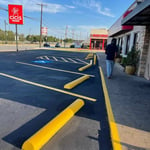

Asphalt edging secures the sides of your driveway to prevent crumbling and cracking over time. Most driveways have edges with a 45-degree grading. This helps transfer some of the stress from the asphalt to the ground underneath. If your driveway doesn’t have proper edging, the pressure from your car may break down the edges over time.

The choice between asphalt and concrete depends on your priorities, budget, and climate.

Concrete is generally more durable, lasting up to 50 years with minimal upkeep, and offers more customization options like staining and stamping, which can add more to a home's value. However, it is more expensive upfront and can be prone to cracking in cold climates where water can freeze and expand.

Asphalt is typically cheaper and quicker to install and is easier to repair. It performs better in colder climates. However, it requires more maintenance, including regular resealing, has a shorter lifespan, and can get hot and sticky in intense sunlight.

Ultimately, if durability and long-term value are key, concrete is often the better choice. If upfront cost and performance in cold weather are more important, asphalt may be preferable.

Wet cutting is usually the preferred method. It controls dust, which helps protect your lungs and makes for a cleaner working environment. Plus, the water cools the blade, preventing overheating and prolonging its life while providing smoother, more precise cuts. The downside is the mess—water and asphalt sludge can be messy to clean. Dry cutting, though convenient if water isn’t available, creates a lot of dust, which can be harmful. This also increases the risk of blade damage due to overheating. So, if you have the option, wet cutting is the better method for most asphalt jobs.

It takes recycled asphalt 48 hours to initially harden and up to 3 months to fully cure. It’s best to stay off of recycled asphalt for at least 48 hours, then you can walk or drive standard vehicles on it. Hold off on driving heavy trucks or equipment on it for at least 7 days. Allowing the surface to melt together and harden ensures that the surface stays durable and long-lasting. 

The Hammond, IN homeowners’ guide to asphalt driveway services

From average costs to expert advice, get all the answers you need to get your job done.