



Top-rated retaining wall installation pros.

Get matched with top retaining wall installation pros in Rupert, ID

Enter your zip and get matched with up to 5 pros

Need a pro for your retaining wall installation project in Rupert, ID?

Select your specific project to find the pro for you.

Find Retaining wall installation pros in Rupert

Avatar for Foundations First Northwest, LLC
Foundations First Northwest, LLC
5.0(
4
)
Retaining Wall - Install

Serving Rupert, ID and surrounding areas

In business since 2024

Free estimates

Credit card accepted

"I had the pleasure of meeting with Andi from Foundations First to learn more about their product and process?and I was thoroughly impressed. Andi is knowledgeable, professional, and clearly committed to delivering top-of-the-line quality work for anyone needing foundation repairs or evaluations. While I haven?t personally used their services yet, I know exactly who I?ll call when the need arises. It?s not every day you meet people in this industry who combine expertise with genuine care for their clients. Highly recommend giving Andi and her team a call if you?re looking for someone you can truly trust!"
Egress Window
Installs
Installs
Installs
Installs

+22

Response time2 days
3 neighbors recently requested a quote
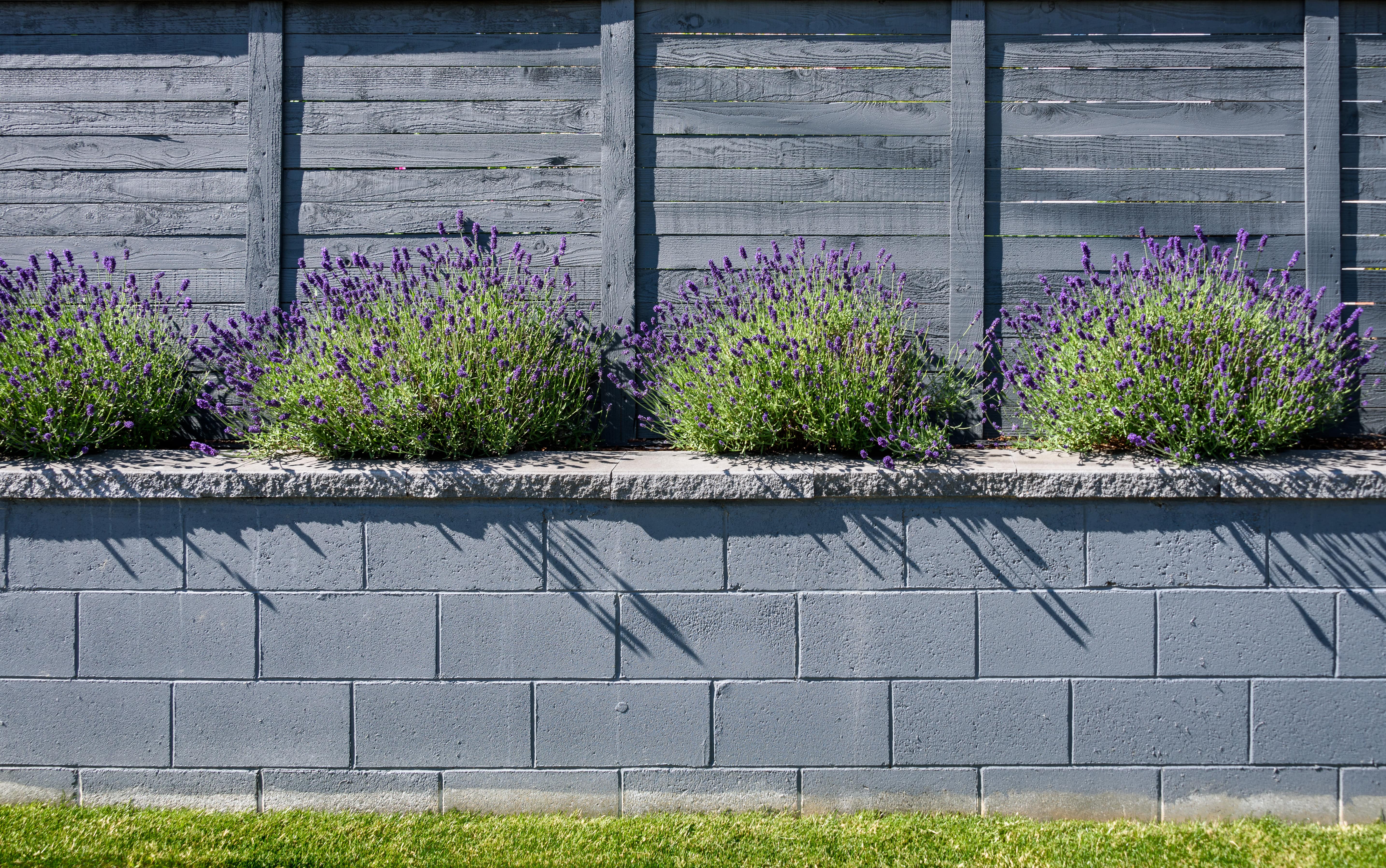
Retaining Wall Installers questions, answered by experts

Generally, a railroad tie retaining wall consisting of a single line of ties should be between 3 and 4 feet tall—and the height often tops out at around 6 feet. You can go taller, but you may need additional footings and reinforcements, including a second layer of railroad ties to support the added weight of the soil it’s holding back.

Regular inspection for issues like cracks or leaning and ensuring drainage stays clear.

Railroad ties can be good for retaining walls, but it depends on the area. They have a desirable rustic look and are durable. The problem is they’re treated with creosote, a preservative the EPA says poses a risk to humans and wildlife. Over time, the preservative seeps out of the wood and into the ground. Many areas have banned the use of creosote-treated wood on residential properties. If your area does allow it, never use railroad ties near an edible garden or drinking water source. Instead, use wood that’s treated with an EPA-approved preservative or a wood-alternative composite material.

Failure to compact the soil during construction is the most common cause of leaning retaining walls. In addition, poor drainage can lead to excessive water pressure behind a retaining wall, pushing against it until it begins to move forward away from the soil it is holding back.

Options include concrete, stone, brick, and wood, tailored for specific design needs.

The Rupert, ID homeowners’ guide to retaining wall installation services

From average costs to expert advice, get all the answers you need to get your job done.