



Top-rated arborists.

Get matched with top arborists in Lewiston, ID

Enter your zip and get matched with up to 5 pros

Need a pro for your arboricultural service project in Lewiston, ID?

Select your specific project to find the pro for you.

TRUSTED BY LEWISTON, ID HOMEOWNERS

  • Average homeowner rating star icon4.6
    Average homeowner rating
  • Verified reviews icon104
    Verified arboricultural services reviews

Find Arborists in Lewiston

Avatar for Strunk's Tree Service LLC
Strunk's Tree Service LLC
4.7(
7
)
Tree TrimmingTree RemovalTree Removal - For Business+3 more

Serving Lewiston, ID and surrounding areas

In business since 2018

Free estimates

Emergency services offered

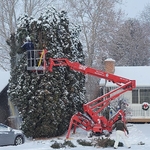
"Awesome crew. Responded to request for a quote, came to my house to see the job and give a quote and came back to do the job all in the same day! Very knowledgeable and careful when removing fallen tree off of my house. Had to change plans when they got into the job, but adjusted seamlessly as a team. Cleaned up extra debris, very intentional service!"
Response time3 days
14 neighbors recently requested a quote
Recommended by85%of homeowners
Showing 1-10 of 18
Arborists questions, answered by experts

Tree pruning is a common and helpful tree maintenance technique that involves carefully cutting and trimming unwanted branches so that the tree can continue to grow and thrive. Pruning is done carefully and intentionally. Tree topping is a frowned-upon method that involves removing and cutting most or the entirety of the top of the tree, including structurally important branches.

There are many signs that a tree is diseased or dying, and if you suspect that’s the case, you should call an arborist immediately. You might notice rot or fungus on the trunk or that the tree is beginning to lean to one side. Brittle branches or signs of root damage are other indicators that a tree is in trouble. If the tree is dying, it might be time to cut the tree down so it doesn’t fall.

Palm tree stumps can take as long as seven to ten years to rot naturally. Whereas some tree stumps rot within a year, palm trees tend to last longer due to their deep root networks. Chemical rotting (described above) can help speed the process up so your palm tree stumps rot in under two months.

Whether you should remove the roots of a dead tree depends on whether they’re damaging nearby areas. For instance, if the roots continue to grow near sidewalks, driveways, or the foundation of your home, they can cause damage. If you want to plant something else in that spot, removing the roots can make it easier for the new tree or plant to grow.

It can be bad to leave a dead stump in the ground. A stump becomes a hefty piece of dead wood in time and eventually (especially with the help of rain) starts to rot. That makes it a locus point for diseases and pesky insects, as well as a bit of an eyesore. It’s best to remove a tree stump completely before it starts to decay, especially before it starts to fall apart. If the tree was removed because of disease, it’s even more important to fully remove the stump if possible.

The Lewiston, ID homeowners’ guide to arboricultural services

From average costs to expert advice, get all the answers you need to get your job done.