


Top-rated arborists.

Best arborists near Orofino, ID

Enter your zip and get matched with up to 5 pros

Need a pro for your arboricultural service project in Orofino, ID?

Select your specific project to find the pro for you.

TRUSTED BY OROFINO, ID HOMEOWNERS

  • Average homeowner rating star icon4.7
    Average homeowner rating
  • Verified reviews icon13
    Verified arboricultural services reviews

Top-Rated Arborists in Orofino - Updated Nov 2026

Avatar for Clearwater Maintenance, LLC
Clearwater Maintenance, LLC
4.7(
19
)
Tree RemovalTree Removal - For BusinessTree Stump - Remove+1 more

Serving Orofino, ID and surrounding areas

Approved

In business since 2000

Free estimates

Emergency services offered

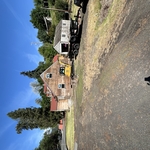
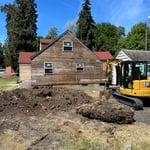
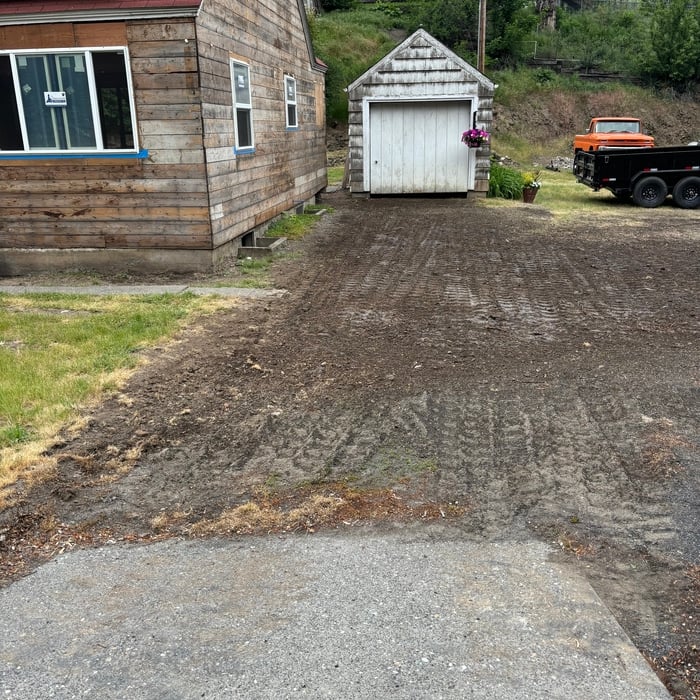
"They took out three cottonwood trees. Did it on time and on budget (a very fair price). Then were willing to take on additional landscaping work. Again, their communication was good and they showed up when the said they would. They made quick work of it, so again, a fair price."
Response time3 hrs
Recommended by94%of homeowners
Showing 1-10 of 19
Arborists FAQs, answered by experts

It depends. Smaller, younger trees take longer to mature, but they're more resilient, their roots don't get as damaged during transplanting, and they recover faster. Plus, they're much more affordable to plant, and it's possible to DIY the planting. 

On the other hand, mature trees produce fruit faster and provide more shade and privacy immediately. Ideally, a small or medium tree is the better choice if you can wait a few years for it to mature. But if you need immediate maturity, a larger tree is the only option.

It’s not always easy to tell when a tree is dying, although signs like dropping branches and brittle bark can sometimes offer clues. It can also be difficult to know whether a tree is dead or dormant, especially if it’s a deciduous tree. You’ll want to wait until a growth season to get a good idea of a tree’s health. When in doubt, contact an arborist for a consultation.

If you’re looking to rot a tree stump fast, potassium nitrate will work far quicker than copper nails. First, drill several holes into the stump using a power drill, then pour potassium nitrate pellets into the holes. Next, add water to help the chemical absorb into the wood, thoroughly soaking the stump to ensure the pellets dissolve and spread evenly. Afterward, cover the stump with a tarp to retain moisture and block sunlight, then place mulch on top to secure it in place.

Trees don’t usually grow back after being cut down. Some particularly robust tree species may start sending up new stems from a stump to recover, but those stems won’t become a “tree” like before. Generally, trees don’t recover from being entirely cut down, which is why it’s important to be careful when making a decision. When you cut down a tree, it’s a good idea to make plans to remove the stump, even if it’s unlikely to grow back.

Tree borers are difficult to control and remove once they make a home in your tree. However, with patience and determination, some methods can slow the damage or even eliminate the pests. But, once the damage is too much for the tree to handle, the only solution becomes removing it. Talk to a tree specialist early for the best chance at saving your tree.

The Orofino, ID homeowners’ guide to arboricultural services

From average costs to expert advice, get all the answers you need to get your job done.