We are a locally owned and operated company that values honesty and integrity in all aspects of our business. We offer a variety of Hot Tub, Pool, and Spa service including installs, repairs, and opening and closing services that are customizable to each individual property. We pride ourselves on the quality of our work as well as our commitment to outstanding results. We look forward to building lasting relationships with our clients and guarantee your satisfaction!
Perfect Pool and Spas of Idaho prides themselves in exceeding customers and client�s expectations. They take the time to really listen and understand the desires of their customers and clients to make sure the customer is fully satisfied with the job.
Install Above Ground Pools questions, answered by experts
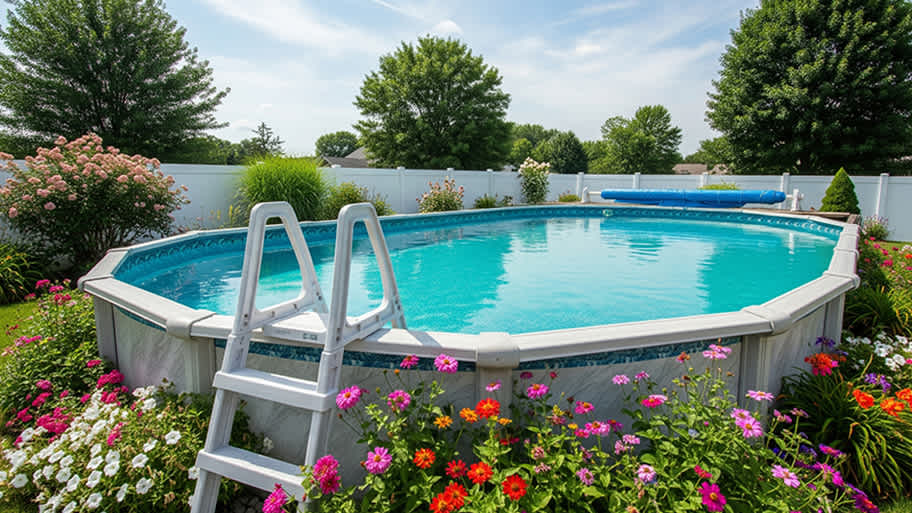
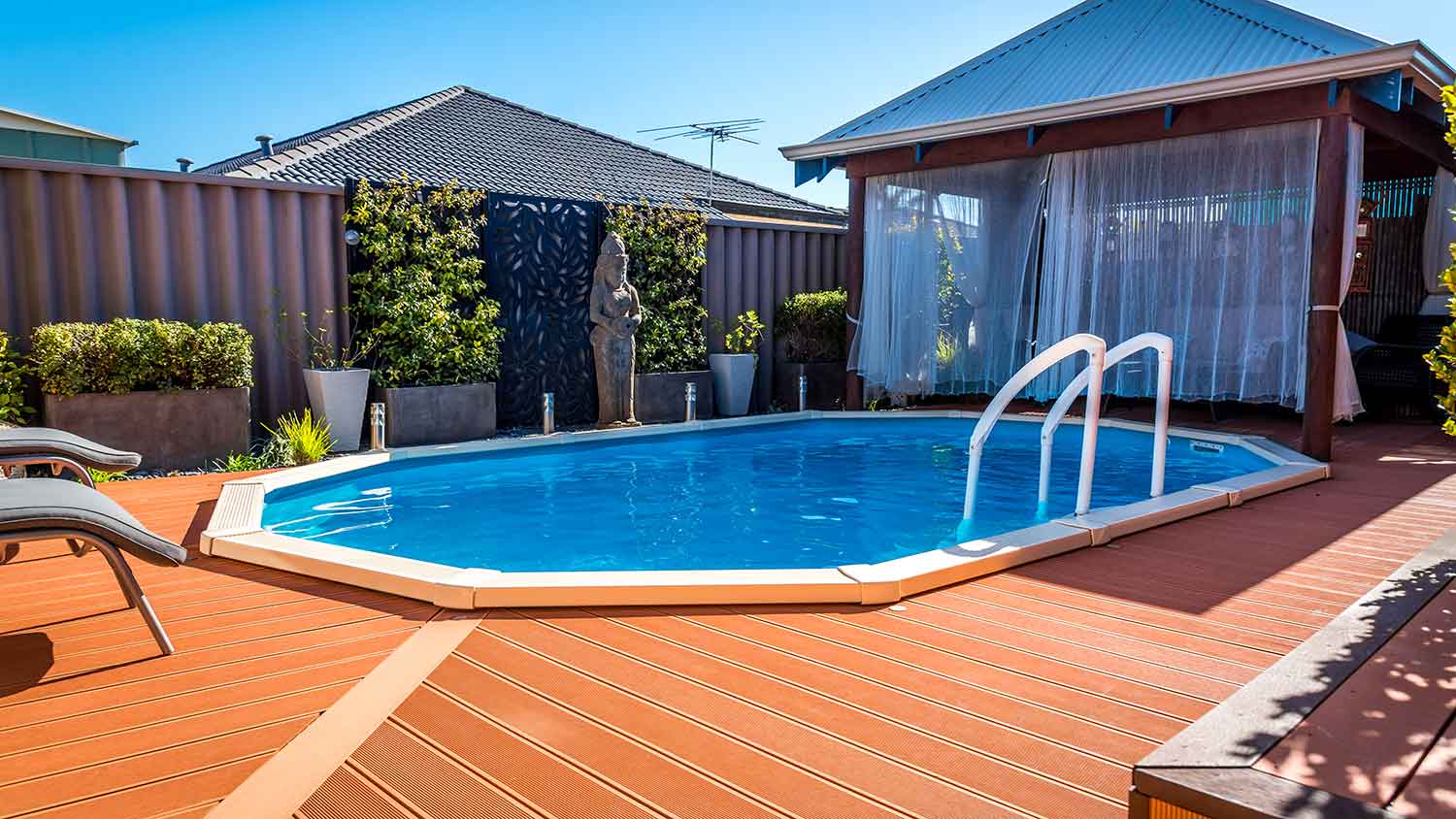
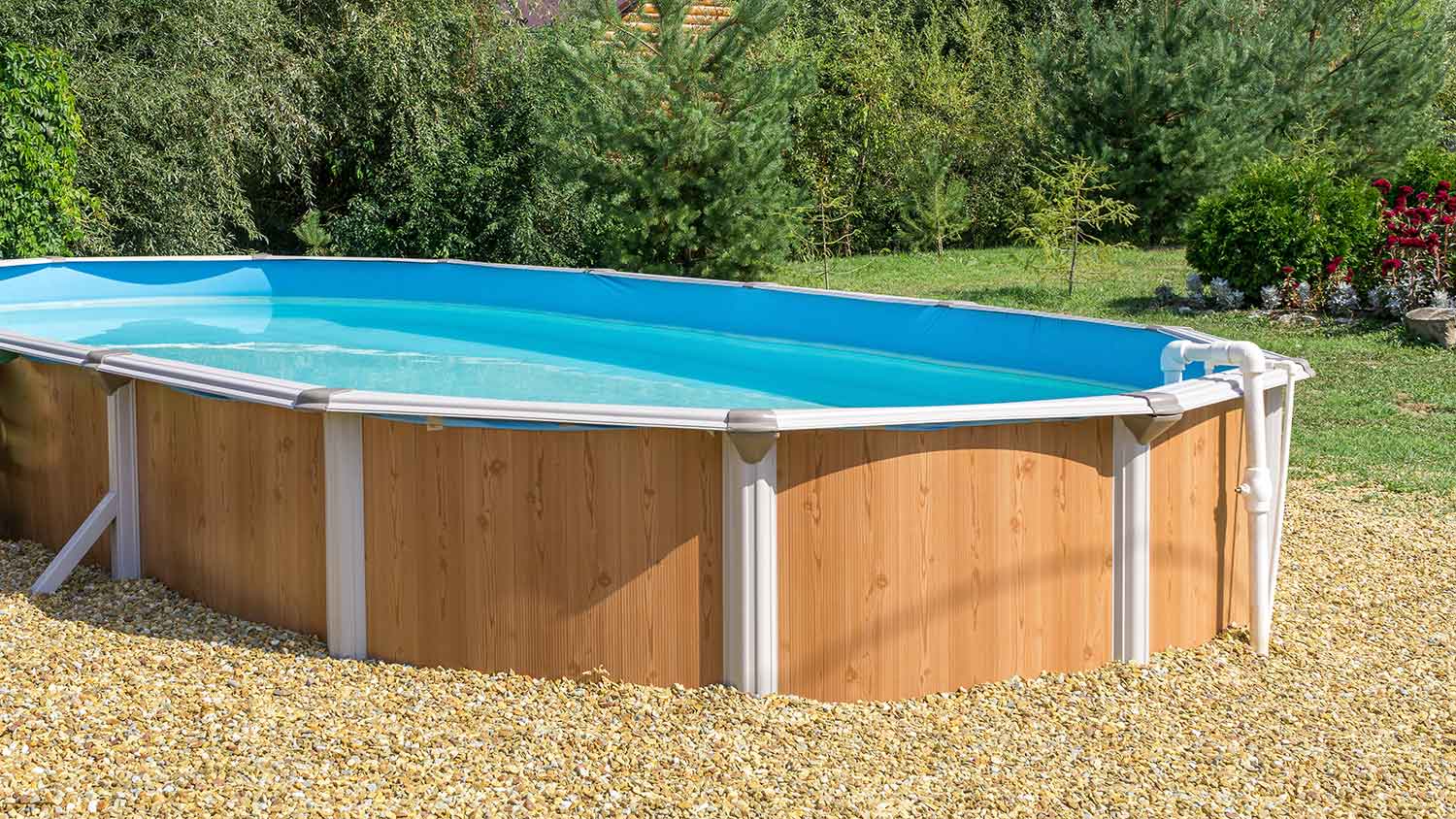
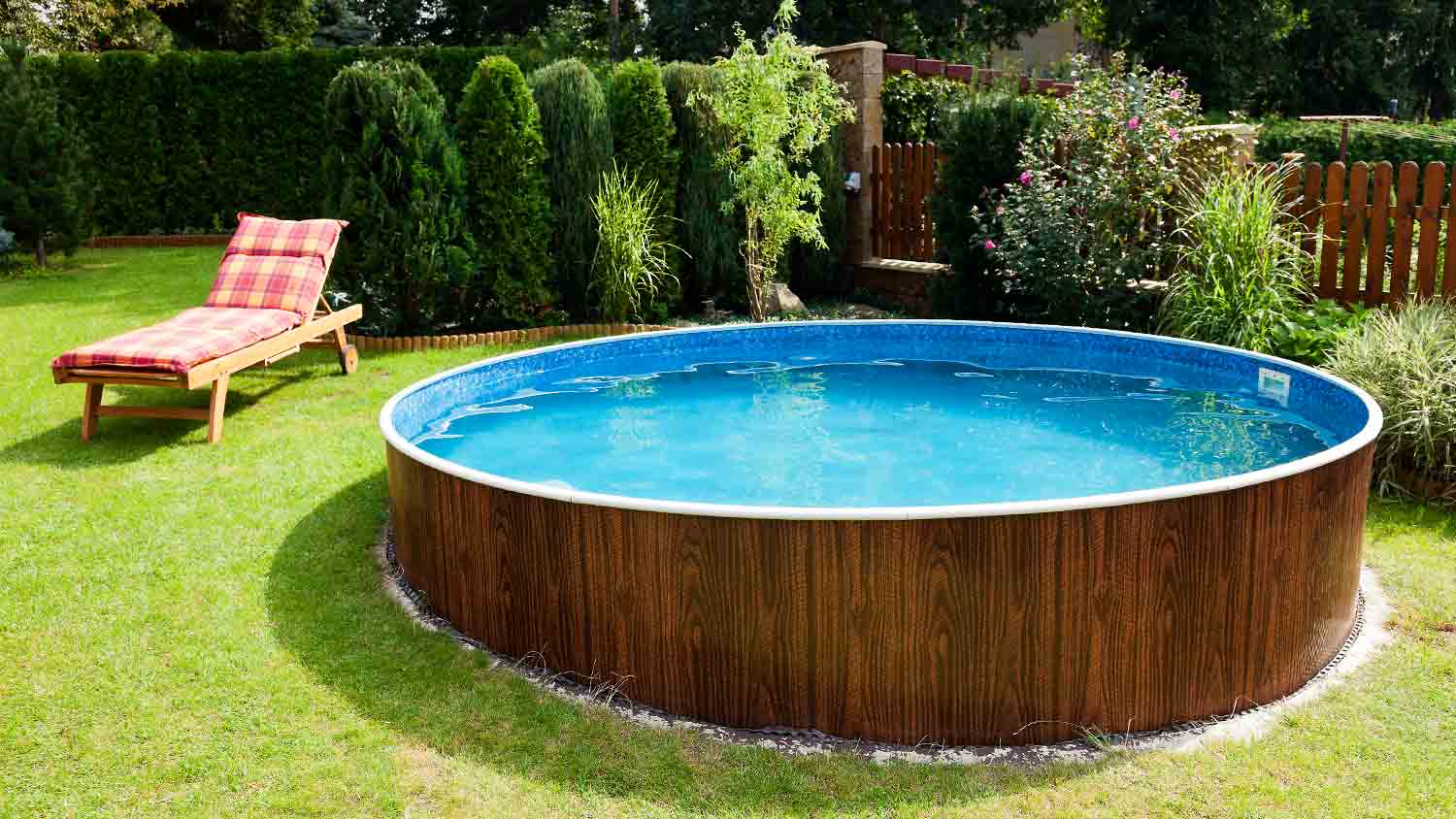
In-ground pools are more durable and have a longer lifespan, but aboveground pools are an excellent option for homeowners on a budget. Aboveground pools are also easier to remove if you no longer want to maintain one.
The cost of an aboveground pool is $800 to $5,000 for materials and $1,000 to $3,000 for labor. Before deciding, weigh the pros and cons of each pool.
Generally, you should run your pool pump for eight to 12 hours a day to keep your water clean and chemical levels balanced. The ideal runtime can vary depending on your specific pump type. While running the pump as much as possible is ideal for cleanliness, it can increase electricity costs. To save money, you can run the pump strategically during non-peak hours when electricity is cheaper, which is often in the evenings or at night. The hours do not need to be consecutive.
You should avoid filling your pool overnight—just as a precaution. You’ll want someone around to check on the progress. If your hose springs a leak or you overfill your pool, you could end up with some costly water damage. At worst, you could flood your home’s foundation. For this reason, ensure someone is home and awake, even if your pool takes a couple of days to fill.
Some pool professionals recommend adding an extra layer of comfort and protection between your pool and the vinyl liner. Made from a range of plastic blends, these liners can absorb moisture, allow the pool liner to breathe, and act as an extra barrier for pests, burrowing animals, and mildew. They also provide an extra layer of comfort for swimmers.
The depth of your pool depends on its intended use, the size of your lawn, and whether you opt for an in-ground or aboveground pool. Aboveground pools tend to be between four and six feet deep while in-ground pools range anywhere from three to eight feet. Permanent installations also have the option of shallow and deep ends.
The Jerome, ID homeowners’ guide to above ground pool installation services
From average costs to expert advice, get all the answers you need to get your job done.
Above ground pools are more affordable than inground pools, so can you put an above ground pool in the ground to save money? Learn when it’s safe to do so.