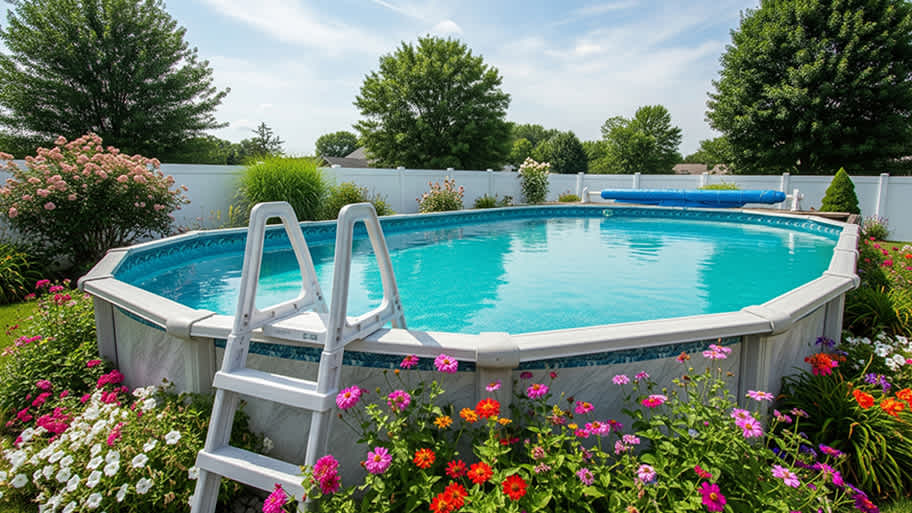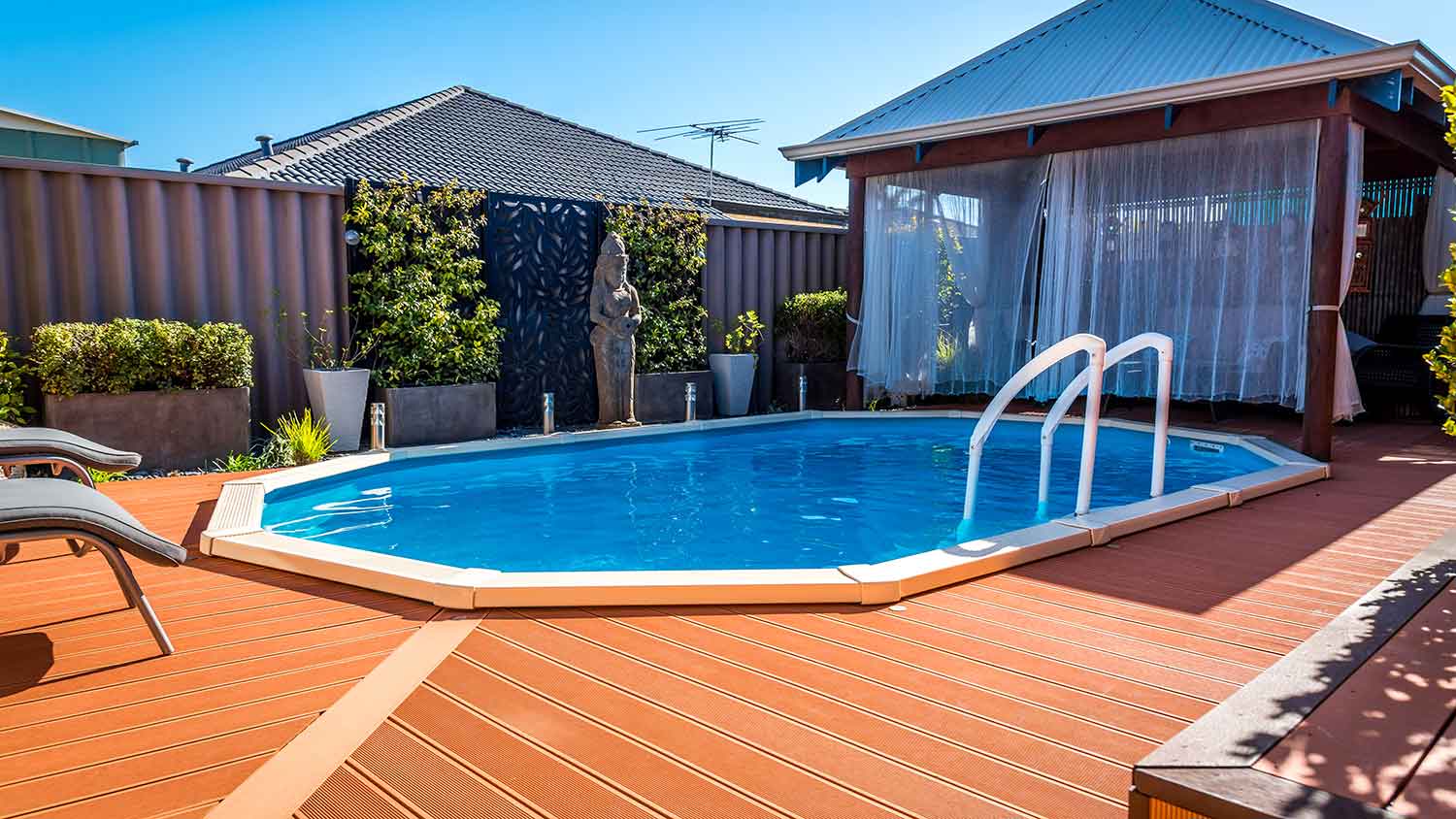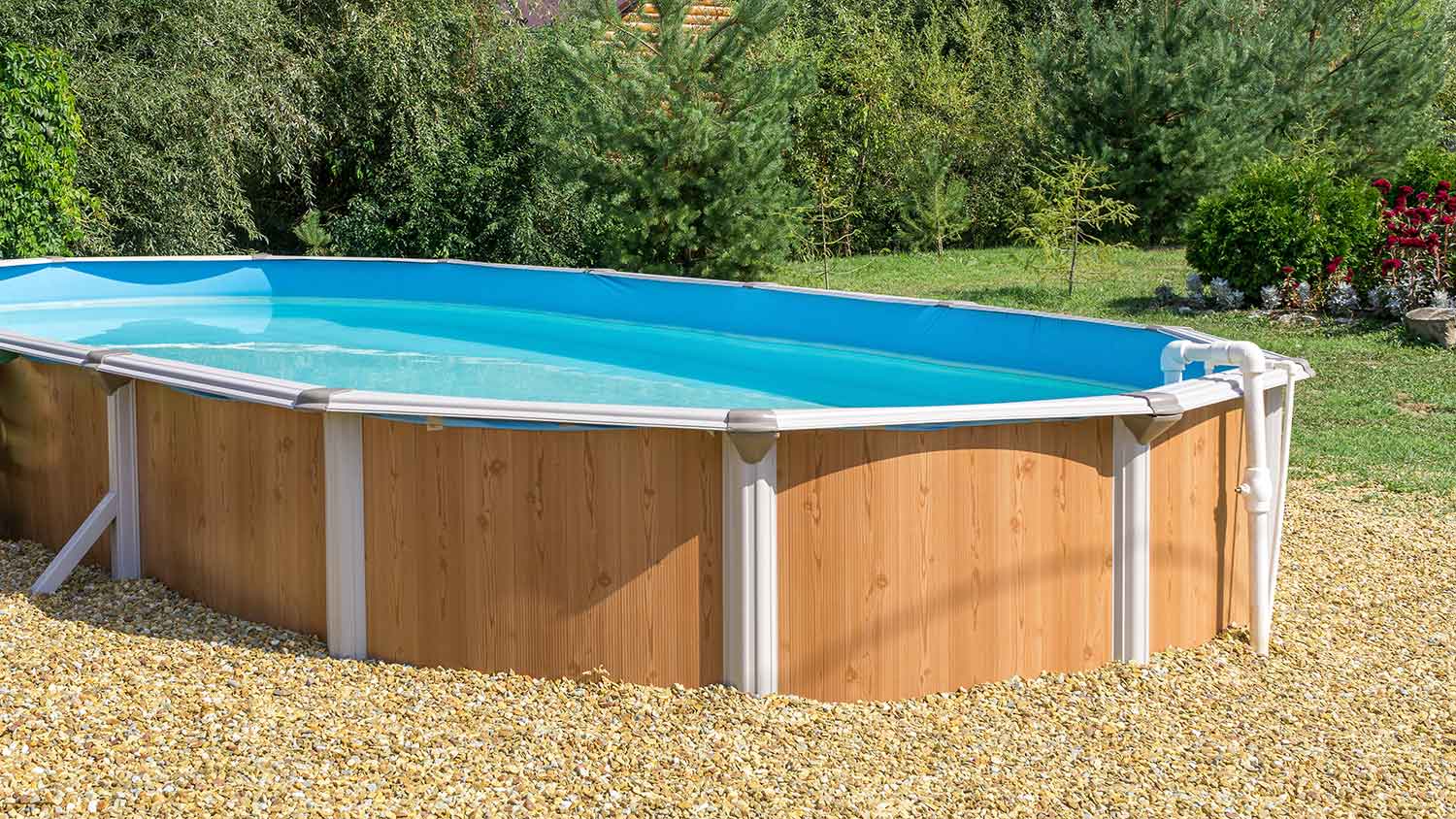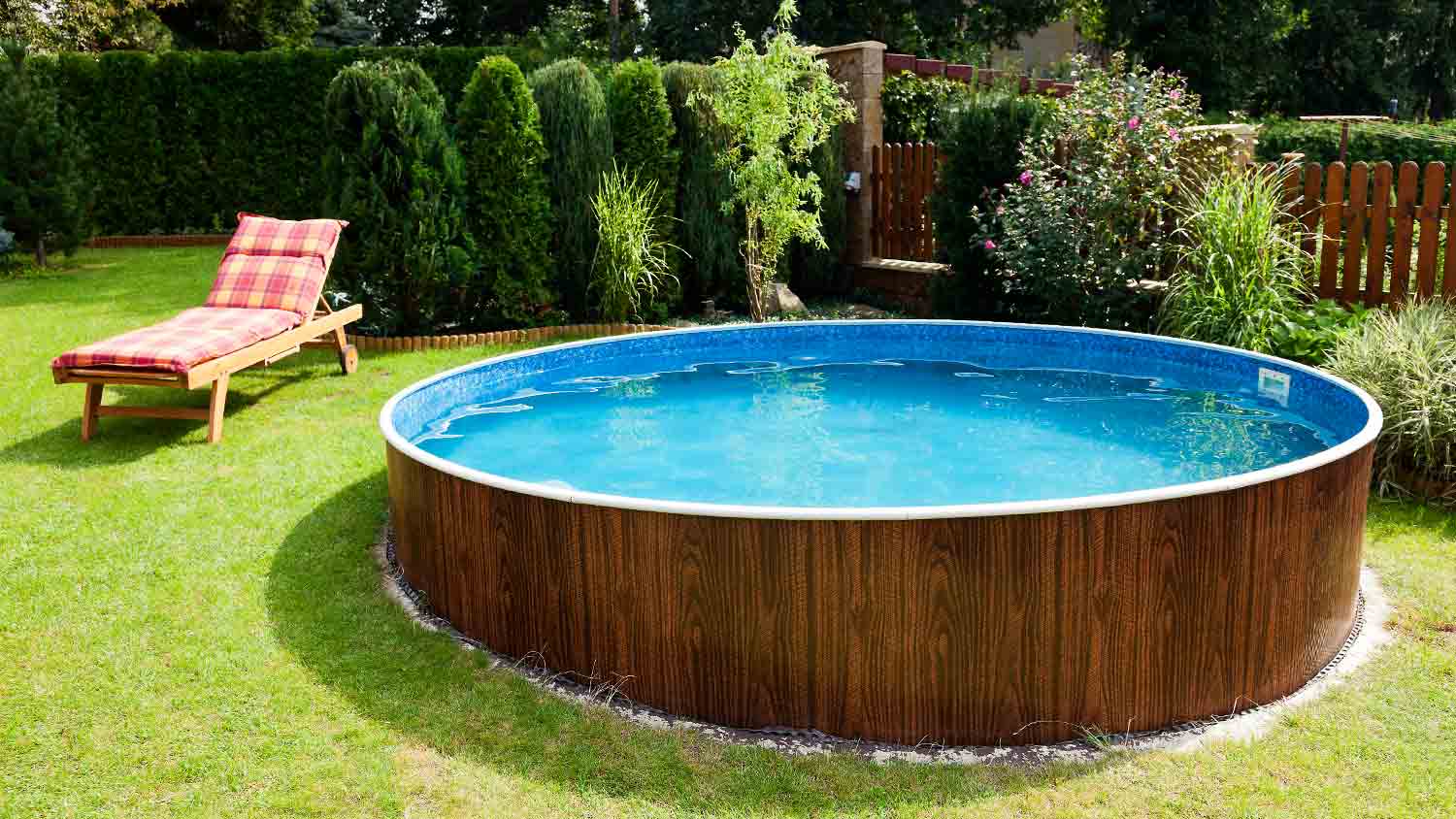



Top-rated above ground pool installation pros.

Best above ground pool installation pros near Arco, ID

Enter your zip and get matched with up to 5 pros

Need a pro for your above ground pool installation project in Arco, ID?

Select your specific project to find the pro for you.

Top-Rated Above ground pool installation pros in Arco - Updated Nov 2026

Install Above Ground Pools FAQs, answered by experts

The steps to fill a swimming pool will depend on your local building codes. However, it starts with draining the pool of all water using a submersible pump. Then your pro will lift the pool shell from the ground or break it into pieces for individual removal. The next step is filling the cavity with dirt and gravel and topping it with topsoil. Once a structural engineer deems the site safe, landscaping can start.

In most states, it is a legal requirement to have a fence around your pool to protect both swimmers and pool owners. These laws can vary by state, city, and county, so you must research the specific regulations in your area before installation. The rules may also differ for inground versus above-ground pools, with inground pools typically requiring a full fence. Additionally, most homeowners' insurance providers will require a fence around a residential pool before providing coverage. As a general rule, it's always best to have a fence for everyone's safety.

Pool leak detection dye is a great way to test specific areas of your pool for unbalanced water flow. By releasing the dye close to possible trouble areas—like around the seal of the skimmer—you can narrow down the potential crack. However, it's best to call a professional pool repair team near you if an initial patch does not keep your water level from lowering.

Any number between 7.2 and 7.8 is an ideal pH for swimming pools or 80 to 120 ppm. Your pool testing kit should be able to measure both of these numbers. If your pool’s pH is below this range, the water is too acidic and can cause scaling and damage to pool equipment. If the water’s pH is above this range, it can decrease the effectiveness of necessary chemicals, like chlorine.

You should always run your pool pump in freezing weather to keep the water moving. Doing so prevents the pool water from freezing and protects your pool from the damage that often comes along with frozen water. You should also run your pool pump when temperatures are approaching freezing, as a precaution. There’s no need to run a pool heater during the winter, as keeping water moving is generally enough to keep it from freezing.

The Arco, ID homeowners’ guide to above ground pool installation services

From average costs to expert advice, get all the answers you need to get your job done.